Iran vows to retaliate after U.S. widens sanctions
Source Entity
India Latest News: Top National Headlines Today & Breaking News | The Hindu
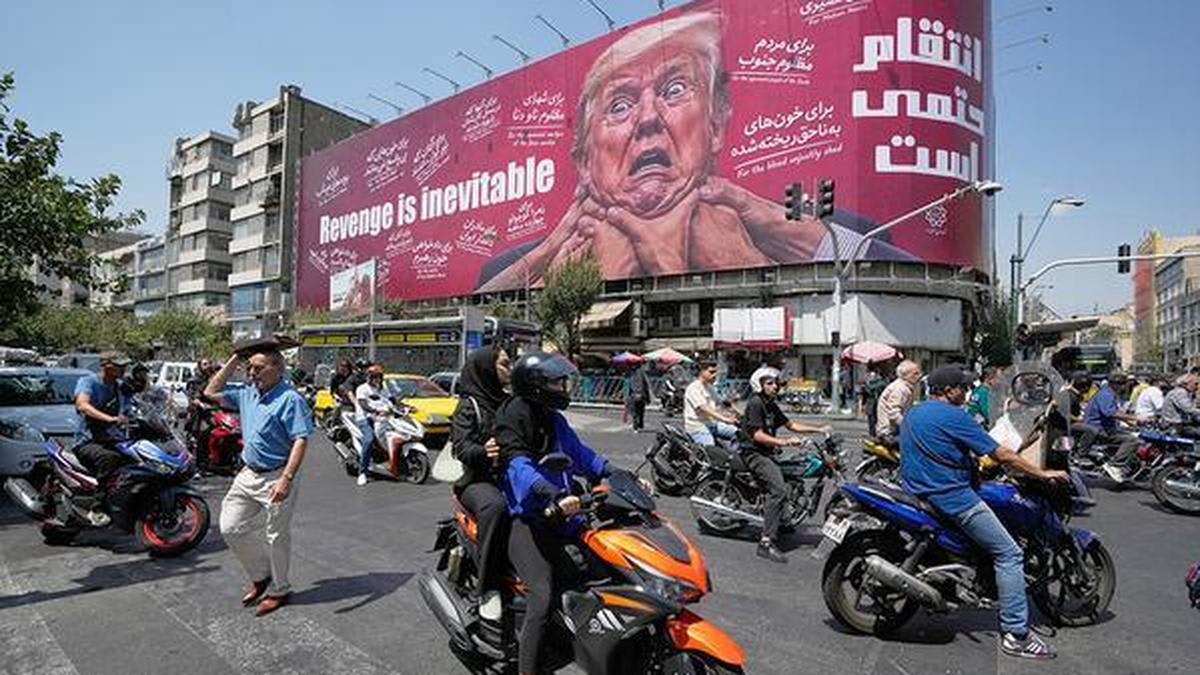
The U.S. has imposed new sanctions on 60 entities to disrupt Iran's oil trade, prompting Tehran to threaten retaliatory measures, including the potential closure of Gulf oil exports. While the U.S. warns of secondary sanctions for trading partners, both nations remain in a tense standoff with military options reportedly on the table.
Escalation in the Persian Gulf: U.S. Sanctions and Iranian Retaliation
The geopolitical landscape in the Middle East has reached a new level of volatility following the U.S. Treasury Department's announcement of a sweeping new round of sanctions targeting Iran. Treasury Secretary Scott Bessent confirmed that these measures, which impact 60 individuals, entities, and vessels, are designed to sever Tehran’s economic lifelines. By pressuring Iran to end ongoing conflicts, the U.S. administration is attempting to leverage its financial dominance to force a change in regional behavior.
The Mechanics of Financial Warfare
Unlike previous rounds of broad economic pressure, these new sanctions serve as a direct warning to international trading partners. Secretary Bessent has explicitly stated that countries continuing to facilitate Iran’s oil trade risk being excluded from the dollar-based financial system. This secondary sanction threat is a powerful tool, yet notably, the current list excludes major Chinese financial institutions, suggesting a calculated diplomatic approach to avoid an immediate, full-scale economic rupture with Beijing.
Tehran’s Defiant Stance
In response, the Iranian government has adopted a posture of defiance, signaling that it is prepared for a prolonged confrontation. Officials in Tehran have publicly warned of 'serious consequences' should the pressure campaign continue. Central to these threats is the potential for an 'oil chokehold,' where Iran could attempt to disrupt shipping through the Strait of Hormuz. Such a move would have immediate, global implications for energy security, given the region's role as a critical artery for international oil supply.
Military Implications and Regional Security
Beyond economic maneuvers, the rhetoric has taken on a militaristic tone. The Pentagon has signaled that military options remain on the table, a stark contrast to the purely diplomatic or economic language used in earlier phases of this conflict. This escalation is visually underscored in Tehran, where public displays—such as billboards depicting U.S. leadership with warnings of inevitable revenge—reflect a hardening of domestic sentiment against Washington’s interventionist policies.
Market Reactions and Future Trends
Despite the severity of the threats, global oil markets have shown limited immediate volatility, suggesting that investors are currently waiting for further clarity on enforcement. However, reports of slowed shipping through the Strait of Hormuz indicate that the psychological impact of these sanctions is already manifesting in logistical bottlenecks. The future trajectory of this crisis depends on whether key trading partners prioritize their access to the U.S. financial system over their established energy relationships with Iran.
Conclusion: A Precarious Standoff
As the U.S. provides a grace period for countries to comply with the new directives, the world watches to see if these sanctions will force a diplomatic breakthrough or trigger a regional conflict. The combination of economic isolation tactics and the looming threat of kinetic military action creates a high-stakes environment where any miscalculation could lead to an irreversible expansion of hostilities. The coming weeks will be critical in determining whether the global economy can weather this latest surge in geopolitical tension.
Multiple Citing Sources
Verification Required?