PM Modi Launches Rail, Road Projects Worth Rs 5,470 Crore In Punjab
Source Entity
NDTV News Search Records Found 1000
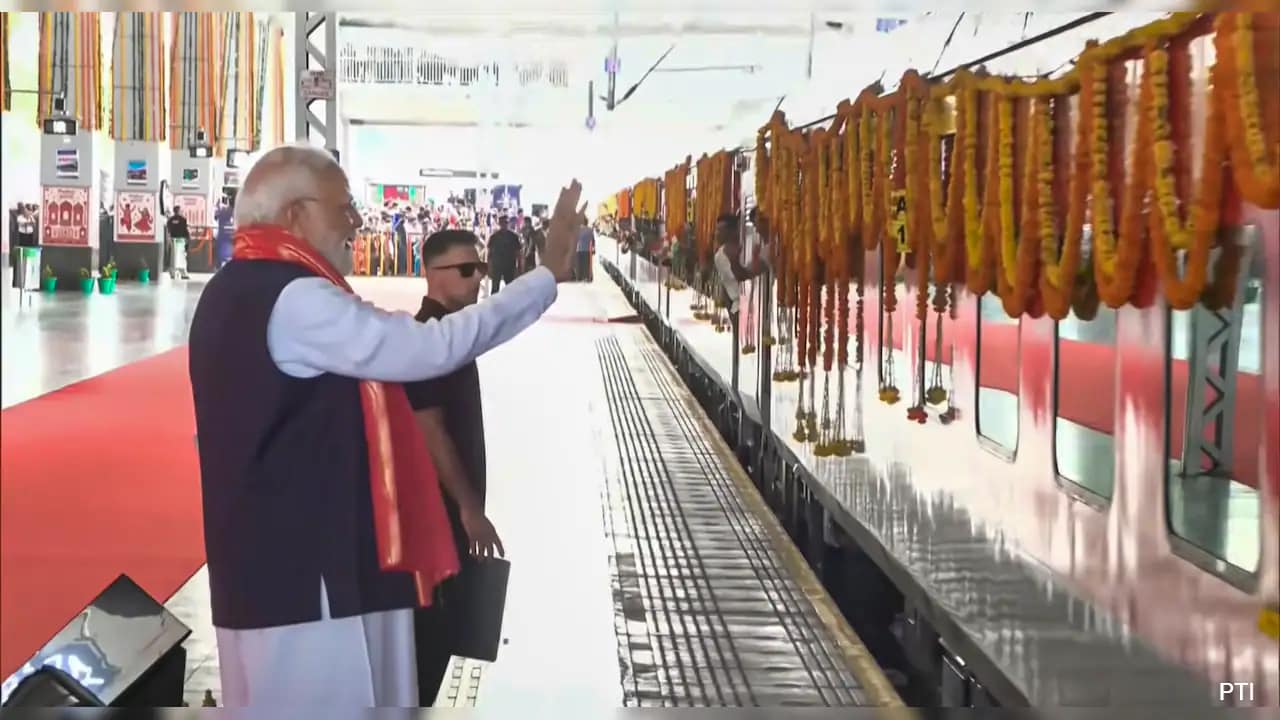
Prime Minister Narendra Modi has launched India's first hydrogen-powered train, marking a significant milestone in sustainable transportation. This 10-coach train utilizes fuel cell technology to produce zero emissions, aligning with India's broader goals for green energy and infrastructure modernization.
India's Green Rail Revolution: The Hydrogen Milestone
Prime Minister Narendra Modi recently inaugurated India's first hydrogen-powered train, a landmark event that signals a transformative shift in the nation's railway infrastructure. By adopting hydrogen fuel cell technology, India is positioning itself among a select group of global leaders committed to decarbonizing heavy transport. This project is not merely an engineering feat; it represents a strategic pivot toward sustainable mobility and long-term energy security.
How the Technology Works
At the core of this innovation is the hydrogen fuel cell power car. Unlike traditional diesel engines, these systems generate electricity through a chemical reaction between hydrogen and oxygen. The only by-product of this process is water vapour, effectively eliminating carbon emissions and smoke. The train utilizes high-capacity fuel cells—producing 1,200 kW of power—supported by lithium iron phosphate batteries and specialized hydrogen storage cylinders, ensuring a stable and efficient power supply for traction motors.
Infrastructure and Capacity
Designed for modern efficiency, the train features a 10-coach configuration with a substantial capacity to transport 2,600 passengers. Supporting this fleet is a dedicated hydrogen facility located at Jind, which serves as a critical node for refueling and maintenance. This infrastructure investment is essential for the operational viability of hydrogen trains, providing the necessary ecosystem to scale this technology beyond a pilot project phase.
Strategic Importance Beyond Railways
While the project is a triumph for the Indian Railways, its implications extend deep into the national energy landscape. By moving away from fossil fuels, the initiative supports the government's vision of 'Green Mobility.' This aligns with global trends where hydrogen is viewed as a vital energy carrier, particularly for heavy-duty applications that are difficult to electrify through traditional overhead lines. The project serves as a testbed for hydrogen storage and distribution, which could eventually influence the broader transport sector.
Political and Economic Context
Beyond the technical advancements, the launch of these rail and road projects in Punjab—totaling Rs 5,470 crore—carries significant political weight. Analysts view the timing and scale of these infrastructure developments as strategic outreach ahead of the 2027 Punjab Assembly polls. By tethering technological progress to regional development, the government aims to demonstrate a commitment to both national modernization and local economic growth.
Future Trends and Challenges
Despite the excitement surrounding this launch, the path forward involves overcoming logistical and economic challenges, such as the cost of green hydrogen production and the expansion of refueling infrastructure. However, the successful deployment of this hydrogen train provides a blueprint for future expansion. As India continues to integrate next-generation infrastructure, this project will likely serve as the foundation for a wider transition toward a cleaner, more sustainable rail network, setting a precedent for other developing nations to follow.
Multiple Citing Sources
Verification Required?