More games should be on rails (literally)
Source Entity
Jay Peters
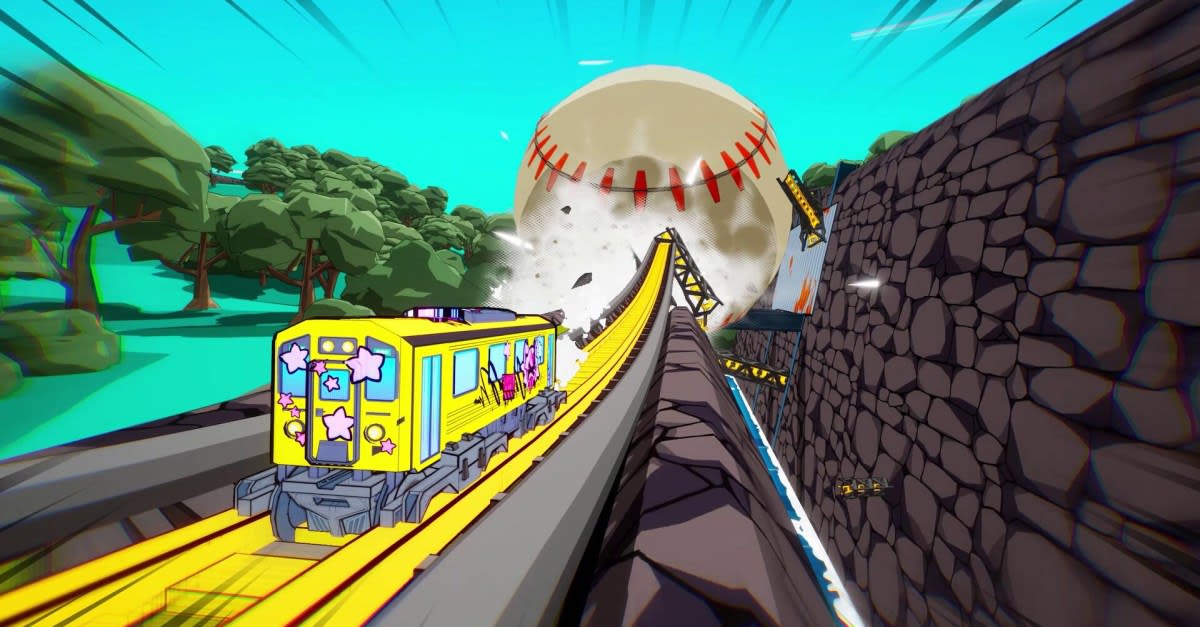
The resurgence of 'on-rails' gameplay is highlighted by the success of Nintendo's Star Fox remake and the innovative title Denshattack! by Undercoders. These games prioritize tightly scripted, high-octane sequences over open-world exploration, proving the enduring appeal of directed design.
The Resurgence of On-Rails Gameplay
In recent weeks, the gaming industry has seen a notable resurgence in the popularity of 'on-rails' design, a genre often overshadowed by the modern industry's obsession with expansive, open-world environments. The recent release of Nintendo's Star Fox remake serves as a primary case study for this trend, demonstrating that players still crave the focused, high-stakes adrenaline of tightly scripted sequences that defined the classic Star Fox 64 experience.
Why Scripted Design Still Matters
The enduring success of the Star Fox remake nearly 20 years after its original iteration proves that 'on-rails' mechanics offer a level of pacing and intensity that is difficult to replicate in non-linear titles. By limiting player agency in movement, developers are able to orchestrate specific action beats and cinematic moments that feel intentional and perfectly balanced. This design philosophy keeps the player constantly engaged, moving from one explosive set-piece to the next without the downtime often found in larger games.
Innovation Through Genre-Bending
Beyond traditional flight-based shooters, the new title Denshattack! by developer Undercoders showcases the versatility of the on-rails format. By applying these strict, scripted mechanics to a high-speed train setting, the game moves away from space combat and into a vibrant, stylized version of Japan. This approach effectively blends the pacing of a classic rail shooter with the trick-based excitement of extreme sports titles like Tony Hawk’s Pro Skater.
Redefining the 'Train Game' Archetype
Calling Denshattack! a mere 'train game' is a significant misnomer that undersells the complexity of its mechanics. While the game utilizes the rail format to dictate the path, it introduces layers of movement—flipping, spinning, and grinding—that encourage players to treat the environment as a playground. This transition from passive transit to active, skillful interaction represents a clever evolution of the genre.
Future Trends in Game Design
The success of these titles suggests a growing market appetite for 'snackable' yet high-quality gameplay experiences. As open-world fatigue continues to set in among gamers who feel overwhelmed by massive, empty maps, the return to carefully curated, on-rails experiences offers a refreshing alternative. We can likely expect more indie and AAA developers to explore this middle ground, focusing on quality of movement and scripted excitement over sheer map size.
Conclusion
The current gaming landscape is proving that linear, on-rails design is not a relic of the past, but a refined tool for creating intense and rewarding experiences. Whether through the nostalgic precision of a remake or the inventive energy of a new IP, the genre is finding new ways to keep players locked in, engaged, and moving at breakneck speeds.