'I saw launch live, you have inspired youth': PM Modi calls Skyroot team, hails success of mission
Source Entity
TOI NEWS DESK
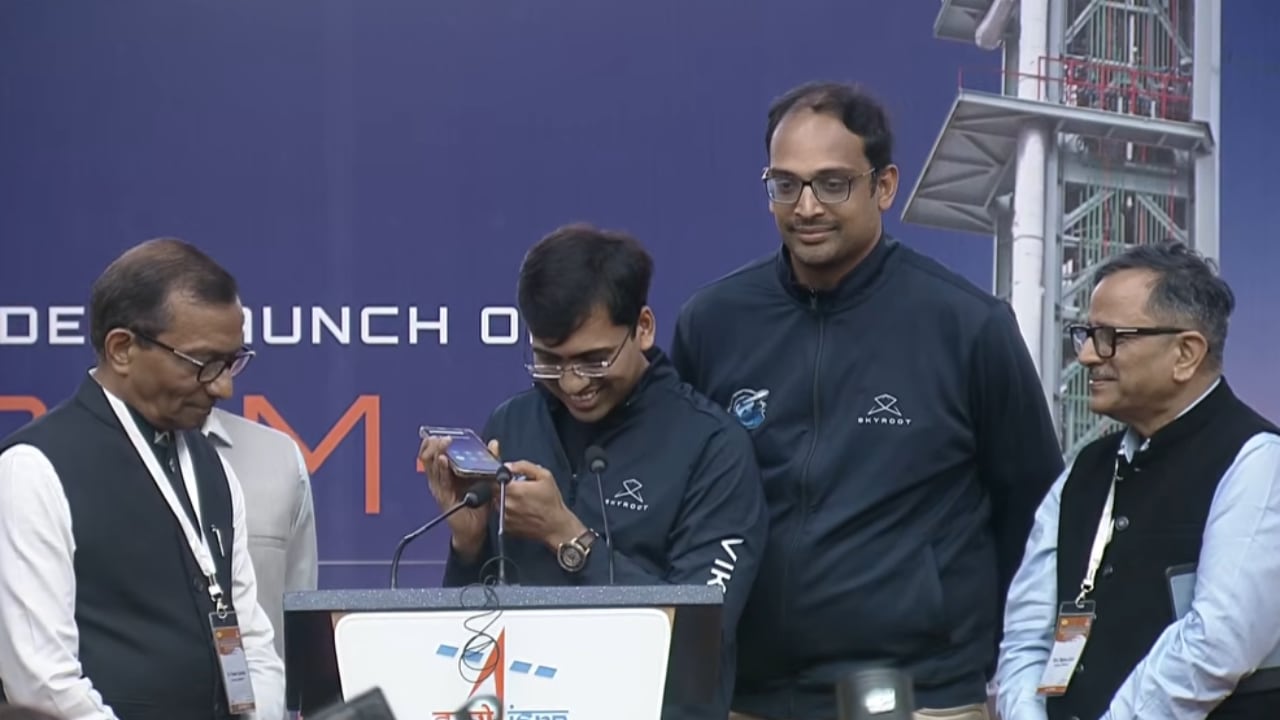
India has reached a historic space milestone with the successful orbital launch of Skyroot Aerospace’s Vikram-1. This achievement makes India the third nation globally to demonstrate private sector orbital launch capabilities.
A Historic Milestone for India's Private Space Sector
India has officially entered a new era of space exploration with the successful maiden orbital launch of the Vikram-1 rocket, developed by the private aerospace firm Skyroot Aerospace. This mission, aptly titled 'Mission Aagaman' (Arrival), marks a monumental shift in the nation's space trajectory, transitioning from a state-led monopoly to a dynamic ecosystem where private enterprise plays a central role. By successfully placing technology demonstration payloads and commemorative postcards into low earth orbit, India has cemented its position as only the third country in the world to achieve private orbital launch capability.
The Significance of 'Mission Aagaman'
The launch, which took place from the Satish Dhawan Space Centre in Sriharikota, was not without its challenges. Initially placed on a 'planned hold' during its final countdown, the team at Skyroot Aerospace demonstrated technical resilience by successfully rescheduling the liftoff to 12:05 p.m. This composure under pressure highlights the maturity of the private sector in handling complex launch operations. The Vikram-1, a sophisticated four-stage rocket designed for rapid deployment, serves as a testament to the engineering prowess of India’s youth and the efficacy of domestic innovation.
Political and Social Implications
Prime Minister Narendra Modi has been a vocal proponent of this 'historic new frontier,' emphasizing that the success of Vikram-1 is a direct reflection of the 'talent of India’s youth.' By including personal postcards from the Prime Minister among the payloads, the mission bridged the gap between national ambition and public participation. This political endorsement signals a broader governmental commitment to fostering a 'Space Economy,' which is expected to attract significant venture capital and global partnerships in the coming years.
Technological Advancements and Design
The Vikram-1 is uniquely engineered for rapid launch services, offering a modular and agile solution to the growing demand for small-satellite launches. Unlike traditional, heavy-lift rockets, the four-stage design allows for precision and cost-effectiveness, which are critical metrics in the competitive global commercial space market. The success of this maiden flight validates the underlying technology and sets a benchmark for future iterations of the Vikram series.
Global Context and Future Trends
Historically, orbital spaceflight was the exclusive domain of government space agencies. With this achievement, India joins an elite global cohort, challenging the status quo and positioning itself as a major hub for affordable, private-sector space access. The success of 'Mission Aagaman' is likely to trigger a surge in domestic startups seeking to leverage India’s lower cost-to-orbit ratio. As the global space economy expands, India’s ability to integrate private innovation with established infrastructure at the Satish Dhawan Space Centre provides a strategic advantage that will influence global launch service trends for the next decade.
Multiple Citing Sources