Surprise! Facial recognition smart locks are actually good
Source Entity
Jennifer Pattison Tuohy
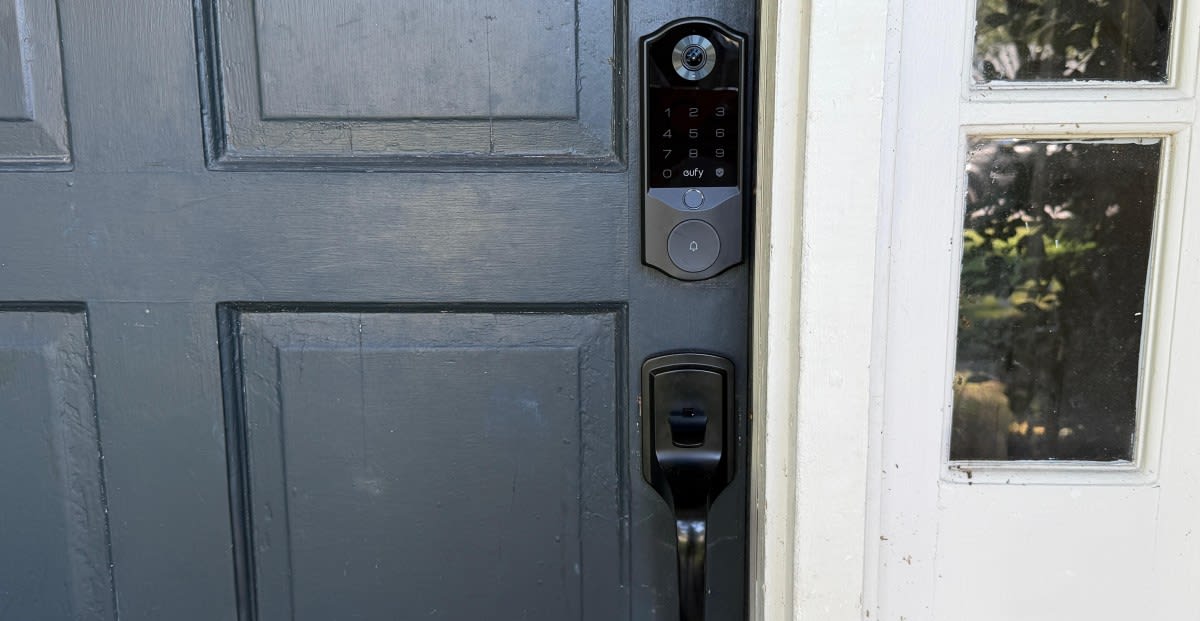
Facial recognition smart locks are emerging as a seamless, frictionless solution for home security. This technology eliminates the need for manual inputs, offering a more reliable alternative to geofencing.
The Evolution of Smart Home Access
The integration of facial recognition technology into residential smart locks marks a significant shift in home security paradigms. By moving beyond traditional keypads, physical keys, and biometric scanners that require direct contact, the industry is prioritizing a frictionless user experience. As noted by industry experts with decades of experience in the IoT sector, the ultimate goal of smart home technology is to remove the barriers between the user and their environment, making the act of entering one's home as seamless as possible.
Moving Beyond Geofencing
For years, geofencing has served as the primary method for hands-free entry. While innovative at its inception, geofencing relies heavily on persistent background application activity, which often leads to battery drain, latency issues, and inconsistent reliability. The transition to facial recognition allows for a more localized, immediate, and hardware-dependent verification process. By utilizing the same biometric principles that have become standard in modern smartphone authentication, manufacturers are creating a cohesive ecosystem where the user's presence is the only "key" required.
The Frictionless Future
Removing the need to remember passcodes or have a free hand to manipulate a lock is more than a convenience; it is a fundamental shift in how we interact with our living spaces. This "nirvana" of hands-free access addresses the physical limitations of existing systems—such as fumbling for keys while carrying groceries or struggling to input a code in inclement weather. By leveraging advanced facial recognition, these devices offer a higher degree of intuitive interaction that feels natural to users already accustomed to phone-based biometric security.
Security and Reliability Considerations
While the convenience factor is high, the adoption of facial recognition locks necessitates a high level of trust in the underlying algorithms. Unlike geofencing, which relies on proximity, facial recognition requires precise image processing and secure data handling to ensure that unlocking is both convenient and robust against spoofing. The industry is currently balancing the need for speed—ensuring the door unlocks as the user approaches—with the rigorous security standards required for residential perimeter defense.
Broader Implications for IoT
The emergence of this technology suggests a broader trend toward "invisible" smart home management. As facial recognition becomes more accurate and energy-efficient, we can expect it to become a standard feature in high-end smart home installations. This shift will likely influence future product design, moving away from cluttered interfaces toward systems that anticipate user needs through ambient sensing and biometric verification, ultimately leading to a more integrated, responsive home environment.