Indians live longer than Pakistanis, lag Bangladeshis, says WHO
Source Entity
ANUJA JAISWAL
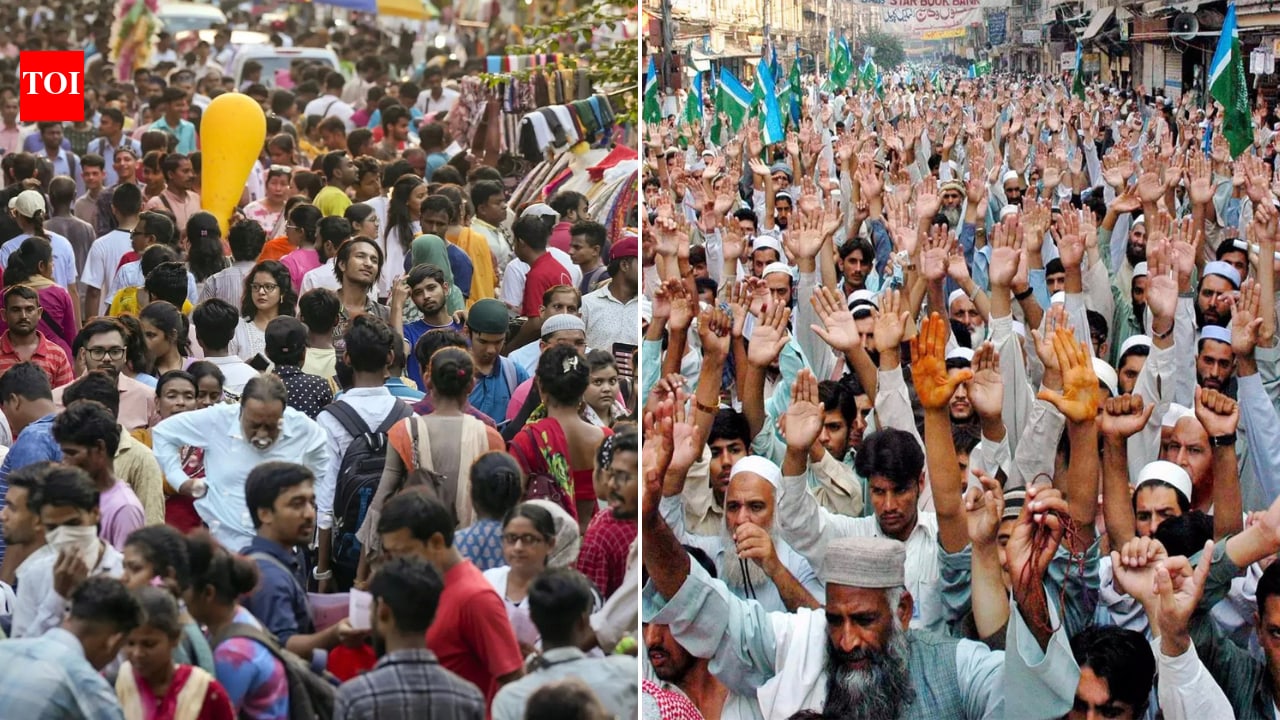
Recent WHO data shows India's life expectancy reached 71 years in 2023, marking a 2.9-year recovery since 2021. While Indians outlive Pakistanis, they still trail behind Bangladesh, the US, and Canada in longevity metrics.
Analysis of India's Evolving Life Expectancy Trends
A Post-Pandemic Recovery in Longevity
Recent data from the World Health Organization (WHO) indicates a significant positive shift in public health metrics for India. After the global disruptions caused by the COVID-19 pandemic, India successfully regained 2.9 years of expected lifespan between 2021 and 2023. This recovery highlights the resilience of the Indian healthcare system and the effectiveness of public health interventions in mitigating the long-term impacts of the global health crisis.
Comparative Regional Analysis
When placed in a regional context, India’s life expectancy of 71 years at birth presents a complex picture. While India currently outperforms Pakistan, where life expectancy stands at 68.2 years, it still lags behind Bangladesh, which boasts a higher average of 72.7 years. This disparity underscores that while India has made significant strides, there remains a need for targeted public health initiatives to bridge the gap with its neighbors and approach the standards seen in developed nations like the US and Canada.
The Role of Healthcare Insurance and Incentives
An critical factor influencing healthcare delivery and, by extension, life expectancy, is the structure of insurance coverage. Analysis suggests that the presence of comprehensive health insurance can fundamentally alter hospital behavior. Hospitals, when faced with insured patients, may lean toward ordering additional diagnostic tests, recommending elective or supplementary procedures, and extending hospital stays. While this can lead to more thorough care, it also raises questions about the efficiency of resource allocation within the medical system.
Challenges in Systemic Efficiency
The correlation between insurance coverage and hospital behavior suggests a dual-edged sword. On one hand, insurance increases access to advanced diagnostics, potentially catching life-threatening conditions earlier. On the other hand, the incentive structure created by comprehensive coverage requires rigorous oversight to prevent unnecessary medical interventions that could inflate costs without providing proportional clinical benefits. Balancing patient access with evidence-based medicine remains a primary challenge for Indian policymakers.
Future Outlook and Policy Implications
Moving forward, India's trajectory for life expectancy will likely depend on the scaling of primary healthcare infrastructure and the standardization of clinical practices. To surpass current benchmarks and narrow the gap with global leaders, India must focus on preventive health measures, addressing malnutrition, and ensuring that the expansion of insurance schemes is paired with robust quality control. The rapid recovery seen post-2021 is promising, but sustained growth requires consistent long-term investment in the nation's health architecture.