Treachery in the Rodin Museum 3D scan verdict
Source Entity
Hacker News
A long-running legal battle over public access to 3D scans of Auguste Rodin’s sculptures has reached France’s highest administrative court. The case highlights ongoing tensions between institutional gatekeeping and the rights of the public to access cultural heritage.
The Legal Battle for Cultural Transparency
The ongoing legal dispute surrounding 3D scans of Auguste Rodin’s sculptures represents a pivotal moment in the intersection of intellectual property, cultural heritage, and public access. Initiated in 2017, this freedom of information case centers on whether a public institution, specifically the Rodin Museum in Paris, can restrict access to digital representations of works that have long since entered the public domain. The struggle highlights a growing friction between museum administrators seeking to control their digital collections and advocates who argue that such data should be freely available to the public.
The Administrative Hurdles
For nearly eight years, the requester has navigated a complex web of bureaucratic resistance. The museum’s response, characterized by the requester as a blend of "weaponized incompetence" and "open lawlessness," underscores the difficulty of enforcing transparency laws when institutions view digital assets as proprietary rather than public property. The involvement of France’s highest court for administrative justice marks the final stage of this exhaustive effort, bringing the debate into the highest legal chambers of the French Republic.
Surrealism and Legal Interpretation
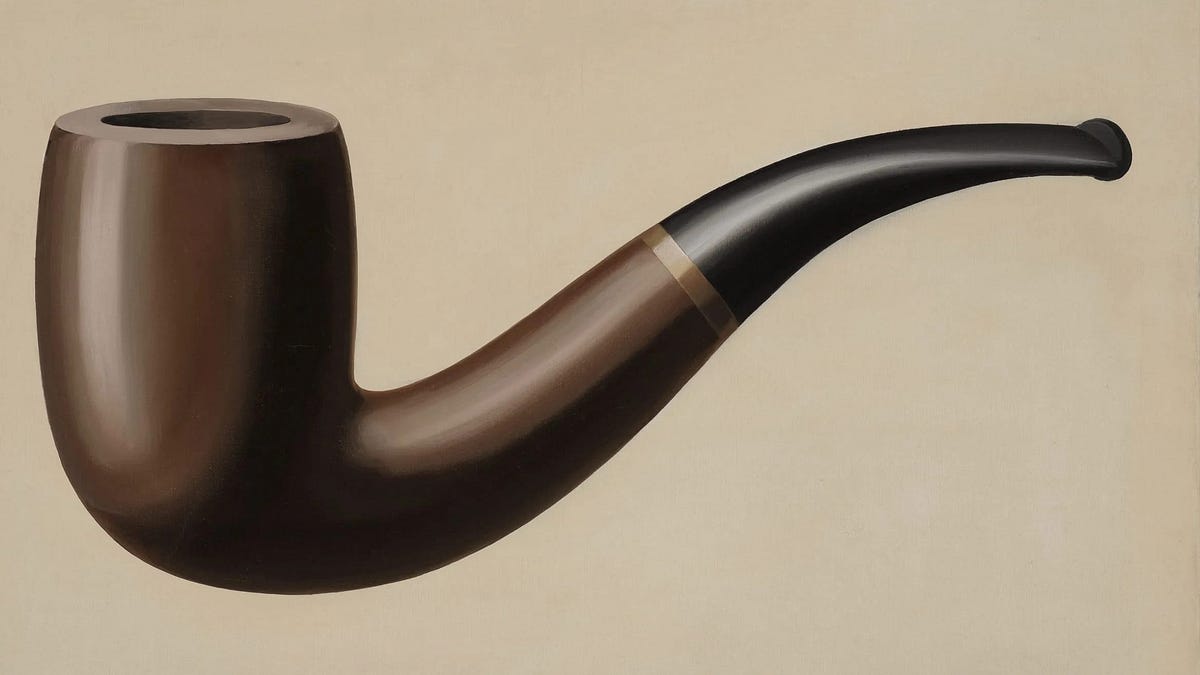
Perhaps the most striking development in this case is the court’s own legal analyst invoking René Magritte’s "The Treachery of Images" to argue that "sometimes a document is not a document." This surrealist framing suggests that the court may be grappling with the ontological status of 3D data. By questioning whether a digital scan constitutes a formal document subject to freedom of information requests, the judiciary is essentially debating the definition of information in the 21st century. This philosophical pivot could have profound implications for how administrative law handles digital files in the future.
Public Domain and Digital Gatekeeping
Auguste Rodin’s sculptures are among the most recognized works in human history. Because they are in the public domain, the underlying physical works are free from copyright restrictions. However, the museum appears to be asserting a form of "copyfraud" or digital gatekeeping, claiming that the 3D scans—which are merely digital reproductions of these public works—should be treated as protected assets. If the court rules in favor of the museum, it could set a dangerous precedent, allowing cultural institutions to reclaim control over works that the public has a right to study and reproduce.
Broader Implications for Cultural Heritage
This case is not merely about one museum; it is a bellwether for the future of open access to global heritage. As museums worldwide digitize their collections, the question of who owns the digital surrogate becomes paramount. If public institutions are permitted to hide these scans, we risk a future where public domain art is effectively re-privatized through digital technicality. The outcome of this case will likely influence international standards for digital cultural heritage and the enforcement of transparency laws in the digital age.
Conclusion
The Rodin Museum case is a masterclass in the complexities of modern information governance. As the legal community awaits the final verdict from France’s highest court, the case serves as a reminder that the digital transformation of museums is not just a technological shift, but a political and legal one. Whether the courts uphold the principle of public access or allow for the continued obfuscation of these digital assets will define the landscape of cultural data rights for years to come.