India's manufacturing PMI eases to 54.7 in October as export orders hit six-month high
Source Entity
YASHASVI VASISTHA
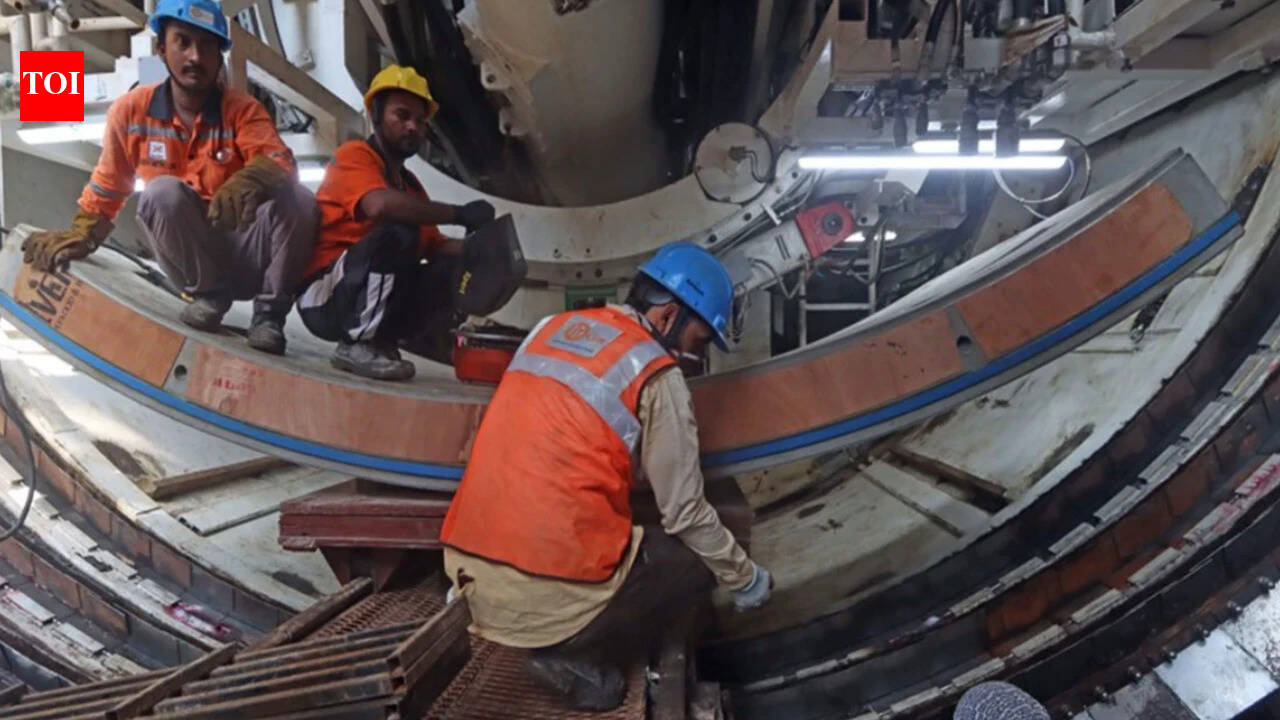
India's manufacturing sector experienced a slight growth moderation in October, with the HSBC India Manufacturing PMI falling to 54.7. Despite this, the sector remains in expansion territory, bolstered by strong export demand and easing input cost inflation.
India's Manufacturing Pulse: October 2024 Analysis
India's manufacturing sector encountered a period of moderate deceleration in October, as evidenced by the HSBC India Manufacturing Purchasing Managers' Index (PMI) dipping to 54.7 from the 55.1 recorded in September. While this shift marks a slight cooling in momentum, the index remains comfortably above the 50.0 threshold, which serves as the critical demarcation between economic expansion and contraction. This sustained performance indicates that the sector is still operating well above its long-term average, showcasing structural resilience despite a softer rate of growth in output and new domestic orders.
The Role of Global Demand
One of the most significant pillars supporting the manufacturing landscape in October was the robust performance of international trade. While domestic order growth moderated, India saw a notable uptick in new export orders, which reached a six-month high. This surge in overseas demand acted as a vital buffer, cushioning the domestic slowdown and ensuring that production levels remained elevated. By leveraging global market opportunities, Indian manufacturers have been able to mitigate the impact of a slightly cooling local appetite for goods.
Inflationary Pressures and Operational Costs
A secondary, yet equally important, development in the October data is the trajectory of input costs. Manufacturers reported that input cost inflation fell to its lowest level since February, providing a necessary relief valve for profit margins. In an environment where demand growth is easing, the ability to control production costs is crucial for maintaining operational efficiency. This reduction in inflationary pressure serves as a strategic advantage, allowing firms to navigate the period of moderated growth without resorting to drastic price hikes that could further dampen consumer demand.
Labor Market Dynamics
Employment trends within the manufacturing sector continue to show positive, albeit tempered, results. Factory employment rose for the second consecutive month in October, reflecting a sustained commitment to workforce expansion. However, the pace of job creation saw a slight decline compared to the previous month. This suggests that while manufacturers remain optimistic enough to hire, they are adopting a more cautious approach to human capital investment in light of the cooling output growth.
Future Outlook and Business Confidence
Perhaps the most telling metric from the October survey is the shift in business confidence. Despite the positive expansionary data, manufacturers expressed a weakened outlook for the year ahead. This decline in optimism suggests that firms are increasingly sensitive to potential market volatility or broader economic headwinds that may impact the manufacturing cycle in the coming months. As the sector moves forward, the interplay between rising export demand and cautious internal sentiment will likely define the trajectory of India's industrial growth.
Concluding Summary
In summary, India's manufacturing sector remains in a state of healthy expansion, even as it navigates a cooling phase. The combination of strong export performance and easing input costs provides a solid foundation for the sector. However, the moderation in new orders and the softening of business confidence serve as indicators that manufacturers are closely monitoring both domestic and global economic conditions to calibrate their production and hiring strategies for the remainder of the fiscal year.