How India’s bullet train project took a long detour
Source Entity
Dheeraj Mishra, Anil Sasi
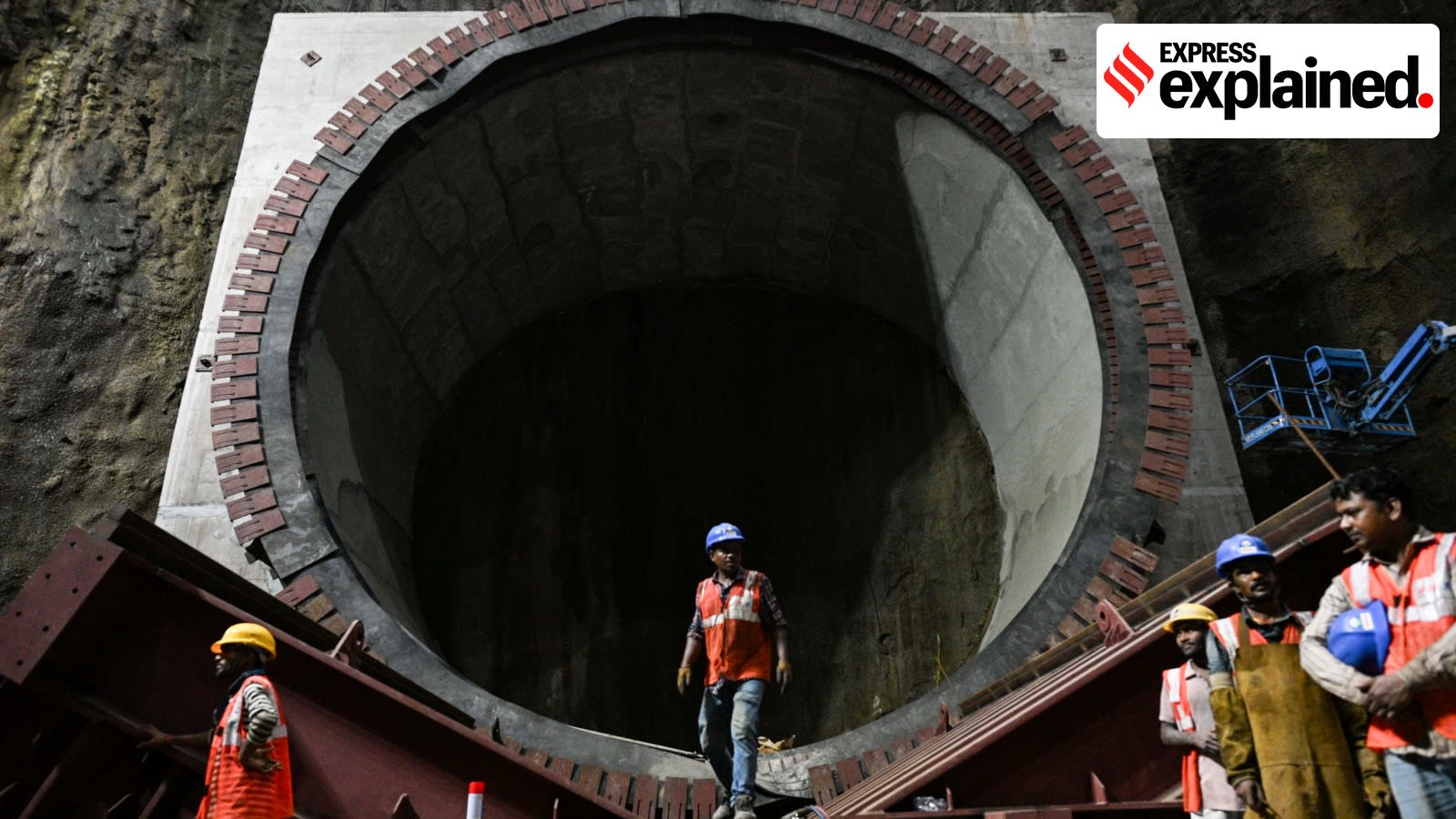
The Mumbai-Ahmedabad bullet train project, a joint venture with Japan, has faced significant delays pushing its completion from 2022 to 2027. Challenges including the pandemic, land acquisition hurdles, and administrative misalignments have slowed this ambitious high-speed rail initiative.
The Trajectory of the Mumbai-Ahmedabad High-Speed Rail
In September 2017, India embarked on a transformative journey in modern transportation with the launch of the Mumbai-Ahmedabad High-Speed Rail (MAHSR) project. Designed as a 508-km corridor, this initiative aimed to introduce the world-renowned Shinkansen technology to the Indian subcontinent. By leveraging Japanese expertise, the project sought to drastically reduce travel time between India’s financial hub and the industrial heartland of Gujarat, promising to set a new benchmark for rail infrastructure.
Challenges to Implementation
Despite the initial optimism surrounding the 2022 completion target, the project encountered a series of complex obstacles. The global Covid-19 pandemic served as a major disruptor, stalling construction schedules and supply chains worldwide. Beyond these external health factors, the project faced domestic administrative hurdles, specifically regarding land acquisition in Maharashtra. These delays were further exacerbated by shifts in the regional political landscape, which created friction and stalled the necessary clearances for the rail corridor.
Structural and Administrative Misalignment
Beyond political and public health factors, the project suffered from a degree of misalignment between the Indian and Japanese stakeholders. Such large-scale international collaborations often face technical and procedural hurdles, and the MAHSR project was no exception. Reconciling the rigorous safety and operational standards of the Japanese Shinkansen system with local Indian requirements proved to be a time-consuming process, contributing to the revised timeline that now targets December 2027 for the opening of the first section.
Economic and Technological Implications
The MAHSR project represents more than just a faster train; it is a vital injection of high-tech infrastructure into the Indian economy. The adoption of Shinkansen technology is expected to catalyze local engineering capabilities and foster a culture of high-speed rail development. While the delay is significant, the long-term economic benefits—such as increased connectivity, regional development, and the stimulation of industrial growth along the corridor—remain the project's primary strategic drivers.
Future Outlook and Conclusion
As the project pushes toward its new 2027 deadline, the focus has shifted to streamlining coordination and accelerating construction efforts. The lessons learned from the initial delays are likely to serve as a blueprint for future infrastructure projects of this magnitude. Successfully launching the first section will not only serve as a milestone for Indian rail but will also validate the viability of high-speed rail as a sustainable and efficient mode of mass transit for India’s future.