Steel policy for 2047 needs to shift focus — from protection to competition
Source Entity
Montek S Ahluwalia, Shishir Gupta, Rishita Sachdeva
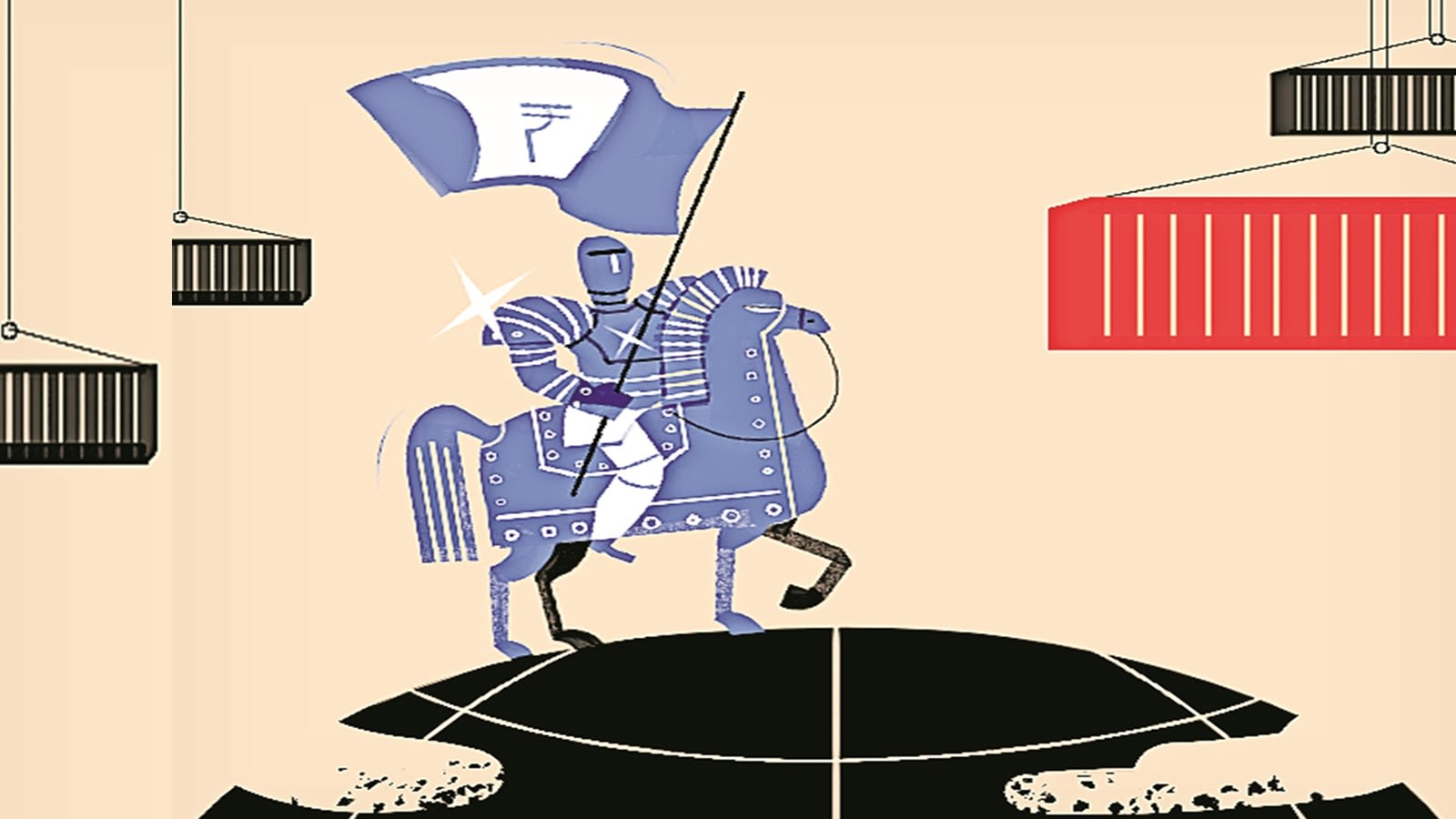
The Ministry of Steel's Draft National Steel Policy: Vision 2047 aims to pivot the industry from protectionism toward global competitiveness. While India has grown into the world's second-largest producer, the policy seeks to address export targets and clarify definitions of efficiency.
The Strategic Pivot: India’s Steel Vision 2047
The Ministry of Steel has unveiled the Draft National Steel Policy: Vision 2047, a strategic roadmap designed to redefine India's industrial trajectory. The policy outlines ambitious goals, most notably the target of increasing steel exports to 45 million tonnes (Mt). This shift represents a departure from historical reliance on domestic consumption and protectionist measures, signaling an intent to integrate India more deeply into the global supply chain.
Assessing Historical Growth and Current Standing
India's rise in the steel sector has been nothing short of remarkable. In the year 2000, India contributed less than 5 percent of global output and ranked ninth globally. Today, the nation holds the position of the world’s second-largest steel producer with an annual output of 170 Mt. However, this growth is contextualized by the massive gap between India and the current global leader, China, which produces 961 Mt. This disparity underscores the need for a policy that does not merely focus on volume but on the structural efficiency required to challenge established global giants.
The Profitability Paradigm
An essential component of the debate surrounding the new policy is the definition of 'global competitiveness.' Historically, the industry has showcased financial resilience, with an average profitability (EBITDA over sales) of approximately 15 percent between 2000 and 2025. This performance is notably 3-4 percent higher than the average across other sectors in the Indian economy. The policy must now determine if this profitability is a result of protective market conditions or genuine operational excellence.
Moving Beyond Protectionism
The Vision 2047 draft suggests a crucial shift in philosophy. By moving away from a focus on protection—which shields domestic players from international price volatility and competition—the Ministry is pushing for a market-oriented approach. The success of this transition will depend on whether Indian manufacturers can maintain their healthy profit margins while lowering costs and improving quality to meet international export standards.
Challenges and Future Outlook
The target of 45 Mt in exports is a bold milestone that requires significant infrastructure investment and a streamlined regulatory environment. As India aims to become a developed economy by 2047, the steel sector serves as the backbone for infrastructure and manufacturing growth. The policy's success rests on its ability to provide clarity on how to balance domestic demand with the rigorous requirements of the global export market, ensuring that India remains a high-value participant in the steel trade rather than just a high-volume one.