Indians three times more likely than Pakistanis to favour US: Pew
Source Entity
Latest News: Todays Latest News Headlines from India & World | Hindustan Times | Hindustan Times
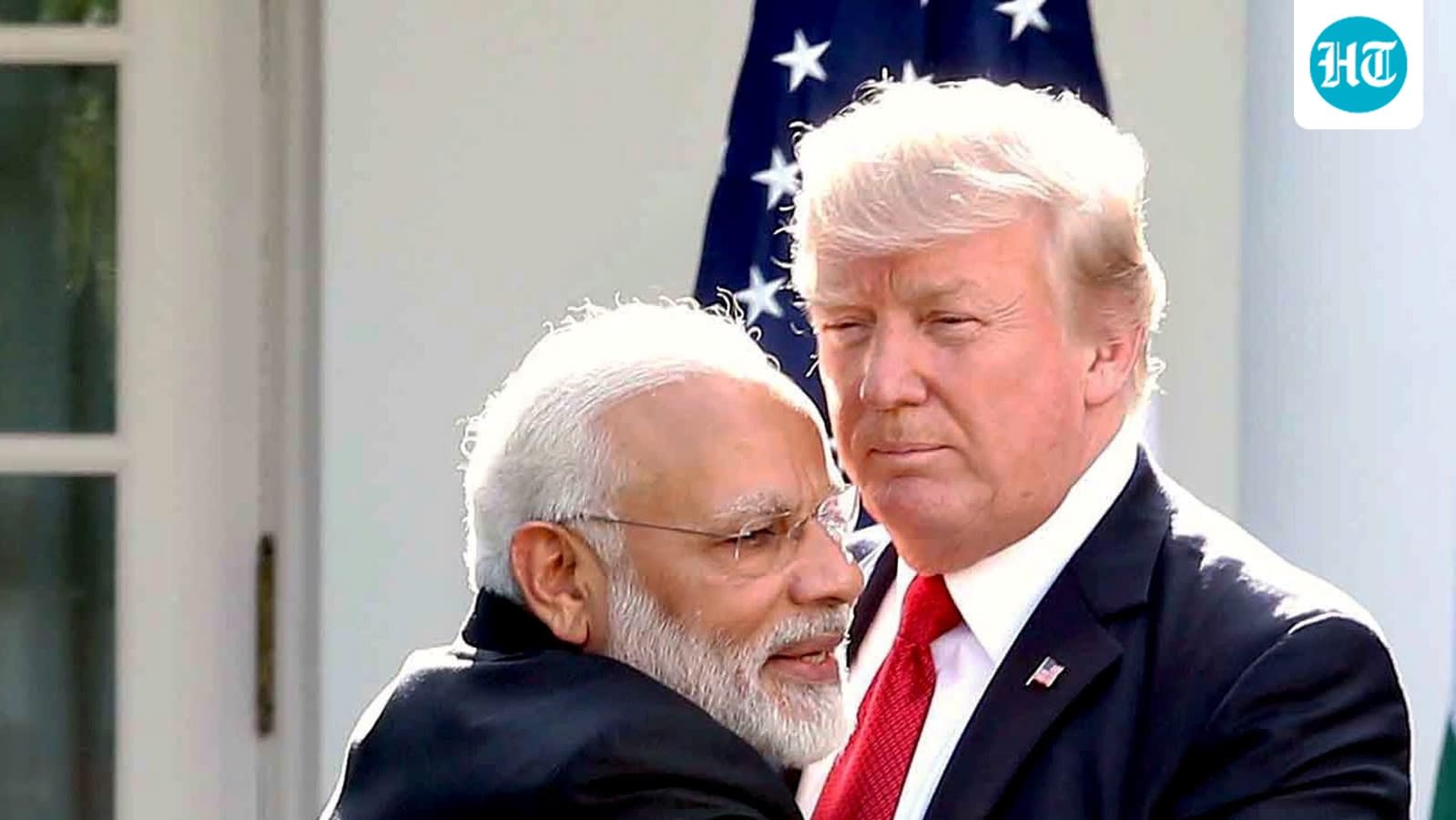
A recent Pew Research Center survey highlights the stark geopolitical divide between India and Pakistan, with India showing significantly higher favorability toward the U.S. compared to Pakistan. While both nations view each other as their primary security threat, their strategic alignments differ, as Pakistan leans heavily toward China while India maintains a complex, multi-aligned foreign policy.
The Geopolitical Divide: India and Pakistan’s Divergent Global Outlooks
Recent data from the Pew Research Center provides a granular look at the diverging geopolitical trajectories of India and Pakistan as they navigate an increasingly multipolar world. The survey, conducted across 36 countries, underscores a fundamental disparity in how these two South Asian neighbors perceive the United States. While 45% of Indians hold a favorable view of the U.S., only 15% of Pakistanis share that sentiment, marking one of the most significant favorability gaps in global polling.
Strategic Alignments and Alliances
The contrast in foreign policy orientation is most evident in the perception of China. Pakistan stands out as a nation with an overwhelming 90% favorability rating for China, which is widely regarded as its 'all-weather ally.' Conversely, India remains one of only six countries surveyed where the public expresses more positive views of the U.S. than of China. This alignment is further reflected in how these nations identify their primary strategic partners: while 36% of Indians view Russia as their top ally, 75% of Pakistanis identify China as their most critical international partner.
The Security Dilemma
Deep-entrenched distrust continues to define the bilateral relationship, with both nations identifying each other as their greatest geopolitical threat. Data indicates that 54% of Indian adults perceive Pakistan as the primary threat to their national security, followed by 21% who point to China. This sentiment is mirrored across the border, where 43% of Pakistanis identify India as their greatest threat, followed by concerns regarding Israel and China. This mutual suspicion remains a defining feature of the regional security architecture.
India’s Evolving Global Image
As India enters its 80th year of independence, its international reputation presents a complex, mixed, and evolving picture. While the global median favorability for India stands at approximately 45%, the perception is far from uniform. Factors such as regional politics, historical ties, and recent diplomatic shifts have caused favorability to wane in some regions while improving in others, notably Germany and the UK. This indicates that while India is becoming a more prominent global actor, its actions and policies are increasingly subject to rigorous international scrutiny.
Implications and Future Trends
The data suggests that the 'neighborhood' remains the most volatile element of foreign policy for both nations. The reliance on different global power blocs—India’s strategic hedging between the U.S. and Russia, and Pakistan’s deep integration with China—suggests that the regional status quo is unlikely to shift in the near term. As global powers continue to recalibrate their interests in South Asia, these public opinion trends will likely influence the domestic political rhetoric and diplomatic flexibility of both New Delhi and Islamabad for the foreseeable future.
Verification Required?