NGT directs inspection of Bahadurgarh industrial units for environmental violations
Source Entity
Latest News: Todays Latest News Headlines from India & World | Hindustan Times | Hindustan Times
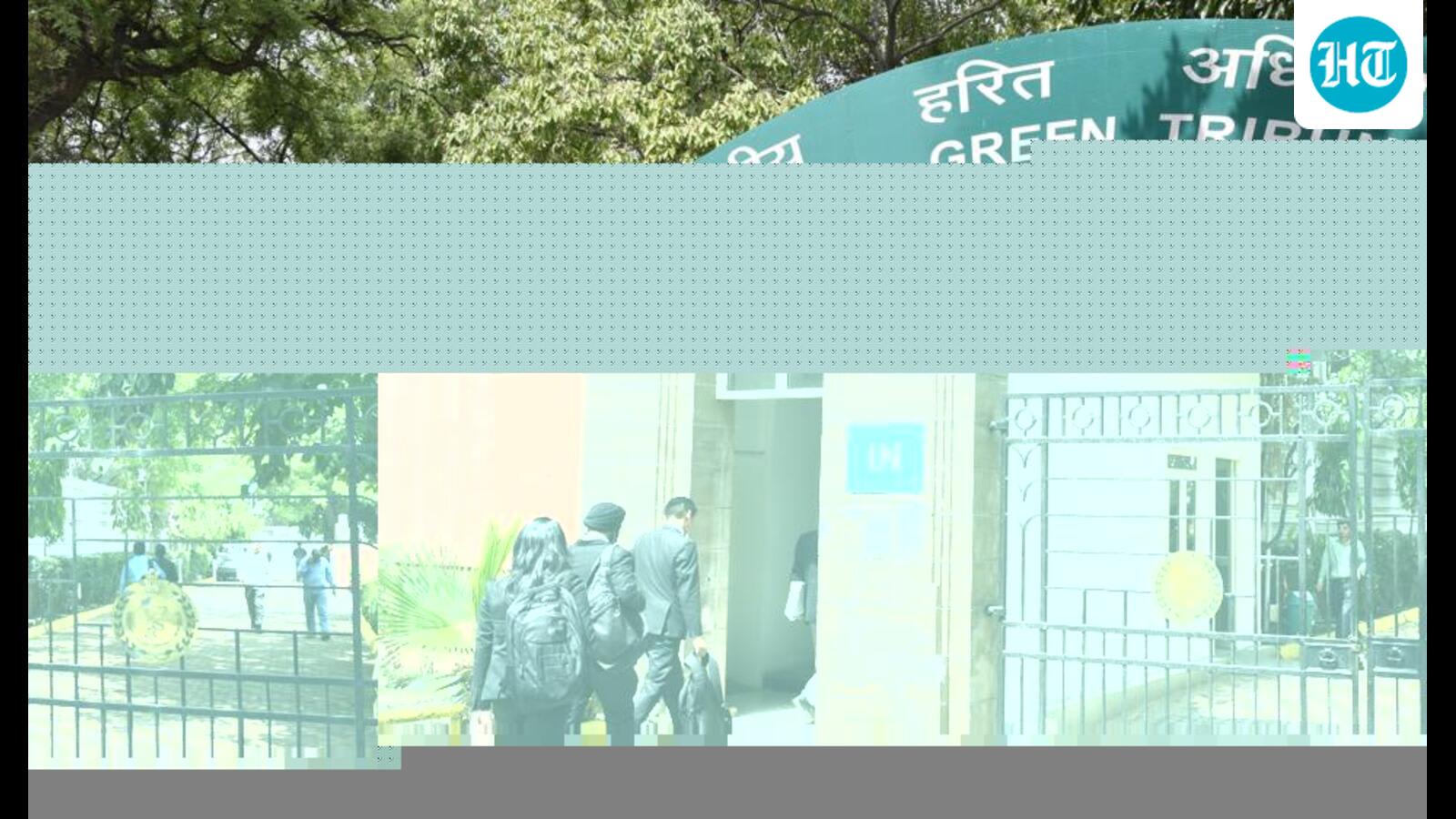
The National Green Tribunal has ordered a joint committee to investigate environmental violations by 2,500 industrial units in Bahadurgarh, Haryana. The committee, led by the Jhajjar district administration, must submit its findings within eight weeks.
NGT Oversight of Industrial Pollution in Bahadurgarh
The National Green Tribunal (NGT) has intervened in a significant environmental dispute regarding the industrial landscape of Bahadurgarh, Haryana. By constituting a joint committee headed by the Jhajjar district administration, the tribunal is addressing long-standing allegations that approximately 2,500 industrial units—ranging from small workshops to large-scale manufacturing facilities—within the Haryana State Industrial and Infrastructure Development Corporation (HSIIDC) Estate have bypassed critical environmental and pollution control norms.
Mandate and Enforcement
Under the directive of the NGT’s principal bench, the Deputy Commissioner of Jhajjar has been appointed as the nodal officer for this investigation. The committee is tasked with conducting on-site inspections to assess the extent of non-compliance. This move underscores a proactive regulatory stance, as the tribunal has mandated that a comprehensive report detailing the violations and potential remedial actions be submitted within a strict eight-week timeframe.
The Context of Air Quality Management
The investigation is deeply rooted in the broader national efforts to curb air pollution, specifically those directed by the Commission for Air Quality Management (CAQM). Bahadurgarh, being a key industrial hub in the National Capital Region (NCR), is frequently scrutinized for its contribution to regional smog and particulate matter levels. The NGT's intervention acknowledges that industrial emissions in this corridor are not isolated issues but significant contributors to the ecological burden currently facing the region.
Structural Challenges in Industrial Compliance
The scale of the investigation—covering 2,500 units—highlights the immense difficulty in monitoring decentralized industrial zones. Often, rapid industrialization outpaces the infrastructure required for waste management and emission control. By targeting the HSIIDC Estate, the NGT is signaling that industrial growth must be strictly tethered to environmental accountability, regardless of the economic output generated by these manufacturing hubs.
Future Implications and Regulatory Outlook
The findings of this report will likely set a precedent for how the NGT handles mass-scale environmental non-compliance in industrial estates. If the committee finds systemic failures, it could lead to the imposition of heavy environmental compensation, mandatory retrofitting of pollution control equipment, or, in extreme cases, the closure of units that fail to meet statutory standards. This case serves as a critical test for local administration in enforcing national environmental directives.
Conclusion
This NGT-led inquiry represents a pivotal moment for industrial regulation in Haryana. By holding the Jhajjar district administration accountable for oversight, the tribunal is attempting to bridge the gap between industrial policy and environmental protection. The outcome of the eight-week investigation will be a bellwether for future environmental enforcement in the region, emphasizing that industrial operations in the NCR must prioritize sustainable practices over unregulated expansion.
Verification Required?