'Proportionate response': MEA on bulldozer action outside Pakistan high commission
Source Entity
ROHITASHWA RANJAN
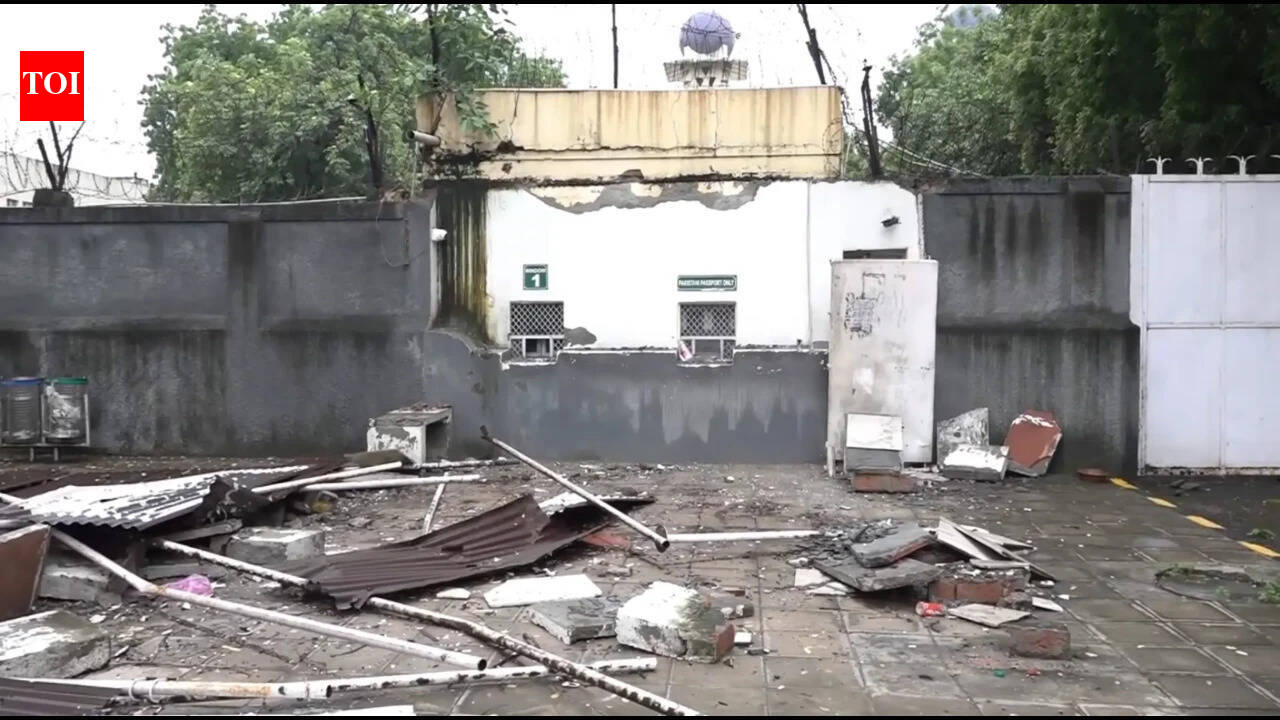
The Indian government has dismantled unauthorized structures outside the Pakistani High Commission in New Delhi. The Ministry of External Affairs described this as a proportionate response to similar actions taken by Pakistani authorities against the Indian mission in Islamabad.
Diplomatic Reciprocity: Analyzing the New Delhi-Islamabad Structure Dispute
The Incident
In a recent development affecting the diplomatic landscape between India and Pakistan, authorities in New Delhi removed temporary structures and queue-management barriers situated outside the Pakistan High Commission. This action, which left debris scattered in the lane outside the diplomatic compound, was officially characterized by the Ministry of External Affairs (MEA) as a "proportionate action." The move marks a tangible escalation in the ongoing friction between the two nations regarding the management of their respective diplomatic premises.
The Context of Retaliation
According to MEA spokesperson Randhir Jaiswal, the decision to dismantle the barriers in New Delhi was a direct response to a prior event in Islamabad. Pakistani authorities had previously removed structures located outside the Indian High Commission in Pakistan, citing the need for increased parking convenience. India had formally requested that Pakistan refrain from such actions, but when those requests were ignored, the Indian government opted for a tit-for-tat policy to maintain parity in diplomatic treatment.
The Doctrine of Proportionality
In the realm of international diplomacy, the concept of a "proportionate response" is a standard tool used by nations to signal displeasure without engaging in more severe escalatory measures like the expulsion of diplomats or the downgrading of ties. By removing similar infrastructure outside the Pakistani mission in New Delhi, India is signaling that it expects adherence to the status quo regarding the facilities provided to diplomatic missions. This reflects a broader trend where both nations utilize minor administrative actions as symbolic proxies for larger geopolitical disagreements.
Diplomatic Implications
Diplomatic missions rely on specific infrastructure—such as queue management systems—to handle visa applicants and security protocols. The removal of such items, even if they are situated on public lanes outside the compound perimeter, complicates the operational efficiency of the High Commissions. This incident underscores the fragility of bilateral relations, where even the physical arrangement of street furniture becomes a matter of state-level negotiation and reciprocal enforcement.
Historical Tensions and Future Trends
India and Pakistan have long struggled with maintaining consistent diplomatic decorum amidst frequent political standoffs. This incident serves as a microcosm of the wider bilateral relationship, where communication channels are often strained, leading to actions that prioritize "tit-for-tat" signaling over collaborative resolution. Moving forward, it is likely that both nations will continue to monitor each other's actions at their respective diplomatic enclaves with extreme scrutiny, using administrative reciprocity as a primary vehicle for expressing grievances in the absence of more robust diplomatic engagement.