World’s oldest President returns home after 74 days of absence
Source Entity
Latest News: Todays Latest News Headlines from India & World | Hindustan Times | Hindustan Times
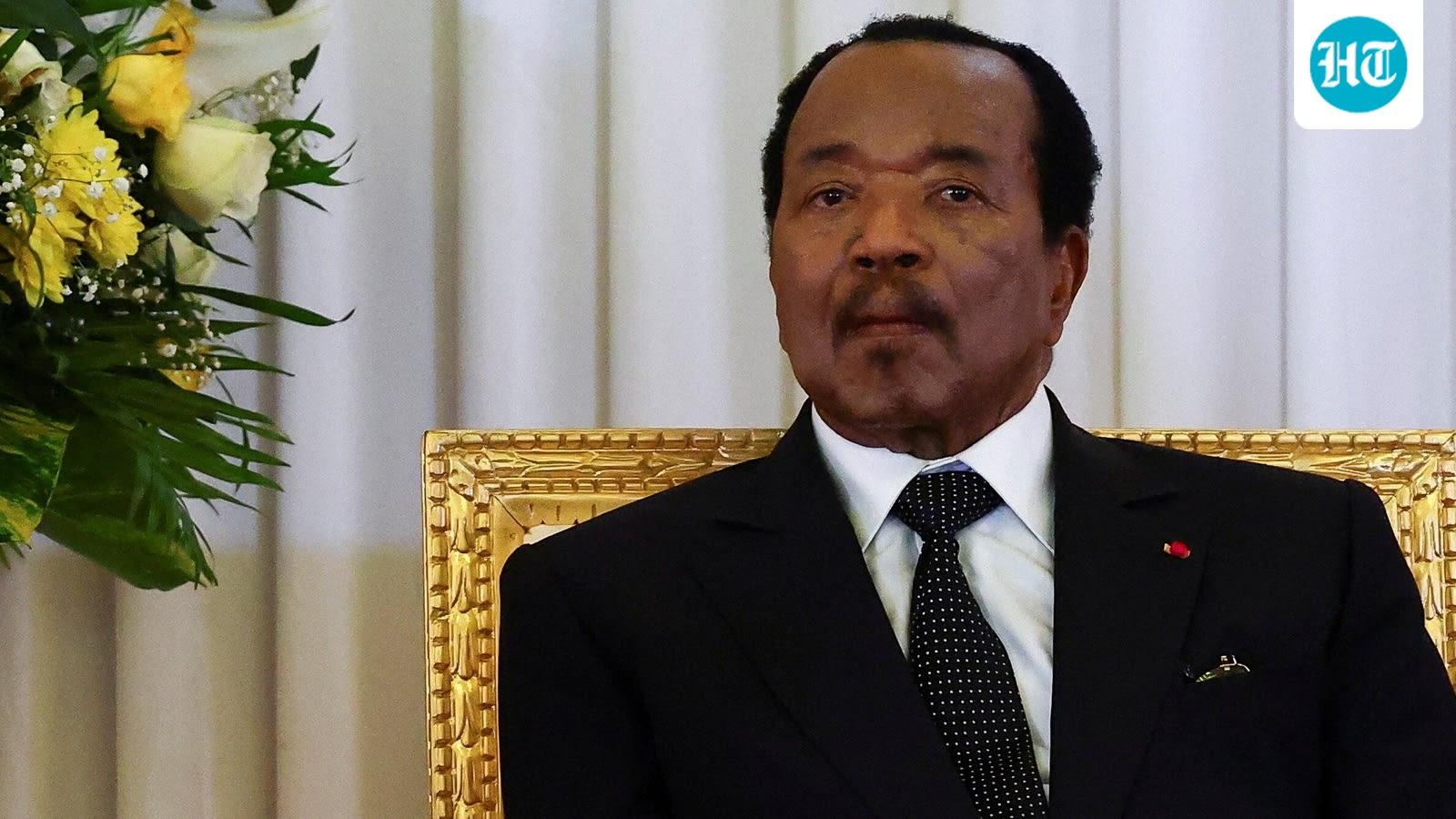
Cameroon's 93-year-old President Paul Biya has returned to Yaounde following a 74-day absence. His extended time abroad, often spent in Switzerland, continues to spark questions regarding governance stability and investor confidence.
The Return of President Paul Biya: A Geopolitical Perspective
A Long-Awaited Arrival in Yaounde
President Paul Biya, the 93-year-old leader of Cameroon, recently made a high-profile return to the capital city of Yaounde after a prolonged 74-day absence. His arrival, captured on state television, serves as a critical moment for a nation that has been navigating a period of significant uncertainty during his extended time away from the seat of power. This return is not merely a logistical update but a symbolic gesture intended to reaffirm his authority amidst ongoing speculation regarding his health and capacity to govern.
The Swiss Connection and Diplomatic Norms
For years, President Biya has been known for spending extended periods in Switzerland, a practice that has become a defining characteristic of his tenure. These stays, often described as private visits, have historically drawn sharp criticism from domestic opposition and international observers alike. The lack of transparency surrounding these trips often creates a vacuum of information, leading to heightened anxiety among the citizenry and political elite regarding the actual decision-making processes occurring within the upper echelons of the Cameroonian government.
Impact on International Bond Investors
One of the most pressing concerns regarding the President’s extended absence is the reaction of international bond investors. Cameroon’s sovereign debt and overall creditworthiness are closely tied to political stability. When the head of state is absent for over two months, markets often react with volatility, fearing a lack of clear leadership or a potential succession crisis. Investors rely on the continuity of policy and the presence of a stable executive to ensure that fiscal commitments are met, making Biya's prolonged absences a significant risk factor in the eyes of the international financial community.
Governance and Administrative Continuity
Biya’s 74-day absence forces a deeper inquiry into the institutional strength of Cameroon. In many modern democracies, a head of state's absence is managed through pre-established legal frameworks that ensure the continuity of government. However, the reliance on a single figurehead for such an extended period highlights potential structural weaknesses within the state apparatus. The question remains whether the administrative machinery of Cameroon can effectively function in the absence of its long-standing leader, or if the government relies too heavily on the personal oversight of the President.
Future Trends and Political Stability
Looking forward, the return of President Biya is likely to be viewed as a temporary reprieve rather than a permanent solution to the concerns regarding his longevity and governance style. Political analysts will be monitoring the domestic response to his return, specifically looking for signs of how the ruling party manages the transition of power or shifts in administrative control. The interplay between his age, his penchant for international travel, and the economic requirements of a developing nation will remain a critical focus for those invested in the stability of the Central African region.
Verification Required?