India's Extreme Poverty Drops From 27.1% To 2.6% In 12 Years: World Bank
Source Entity
NDTV News Search Records Found 1000
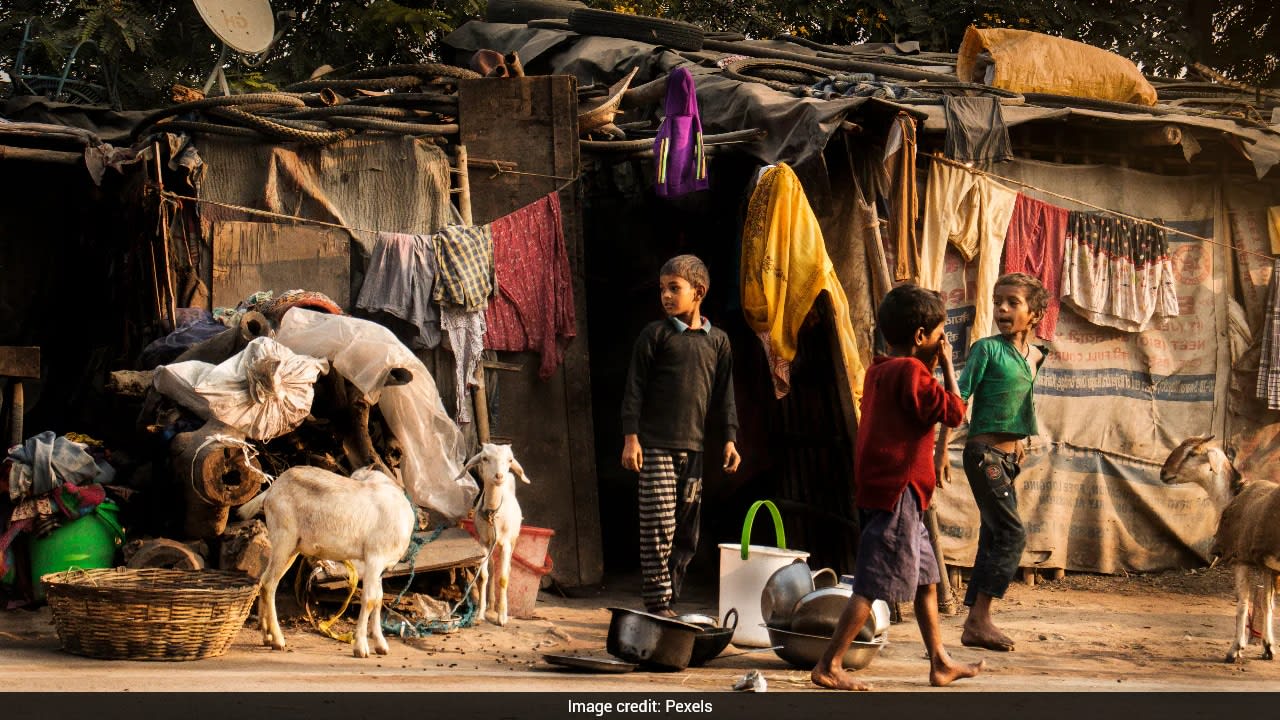
The World Bank reports that India has achieved a historic reduction in poverty, with extreme poverty dropping from 27.1% to 2.6% between 2011 and 2023. This progress is attributed to strong consumption growth, government transfers, and increased female employment.
India's Historic Poverty Reduction: A World Bank Analysis
Recent data released by the World Bank in its October 2026 Poverty and Equity Brief highlights a transformative shift in India’s socioeconomic landscape. Between 2011 and 2023, the nation witnessed one of the fastest poverty reduction rates globally, with extreme poverty—defined as living on less than $3.00 per day—plummeting from 27.1% to a mere 2.6%. This milestone marks a significant departure from historical trends, signaling robust structural changes within the Indian economy.
Drivers of Economic Mobility
The report identifies several key catalysts for this decline. Primary among them is a period of sustained, strong consumption growth that has permeated various levels of the economy. Furthermore, the data underscores a critical rise in employment rates, with a notable emphasis on the increased participation of women in the labor force. These employment trends, coupled with strategic government transfers, have created a safety net that has effectively lifted approximately 496 million people out of poverty over the twelve-year period.
Measuring Progress Beyond Extremes
Beyond the headline figure of extreme poverty, the World Bank also measured progress using the Lower Middle-Income Country threshold of $4.20 per day. By this metric, the poverty rate fell from 57.7% in 2011 to 16.1% in 2023. This broader analysis confirms that the progress is not limited to the most destitute, but reflects a systemic upward mobility that has moved nearly half a billion people into a higher consumption bracket, fundamentally altering India's consumer profile.
Future Projections and Sustained Growth
Looking ahead, the World Bank projects that this trend of poverty alleviation will continue, albeit at a more measured pace. Projections indicate that the poverty rate, measured at the $4.20 per day threshold, is expected to decline from 14.2% in 2026 to 12.1% by 2028. This forecast suggests that while the initial phase of rapid reduction may stabilize, the structural foundations for further improvement remain intact.
Broader Economic Implications
The implications of these findings are profound for India's role in the global economy. A population that has transitioned from extreme poverty to lower-middle-income status represents a massive expansion of the domestic market. As consumption capacity grows, it provides a stable internal engine for the nation's GDP, reducing reliance on external shocks.
Conclusion
In summary, the World Bank’s assessment confirms that India has achieved remarkable success in its poverty reduction efforts over the last decade. By leveraging a combination of employment growth and social policy, the nation has effectively reshaped its demographic and economic narrative. As the country moves toward 2028, the challenge will be to maintain this momentum by continuing to foster inclusive growth and sustaining the gains made in labor force participation.
Verification Required?