From Bastar to Kevadia: Among 5,000 women, a young woman sarpanch, social worker from Odisha
Source Entity
Aditi Raja
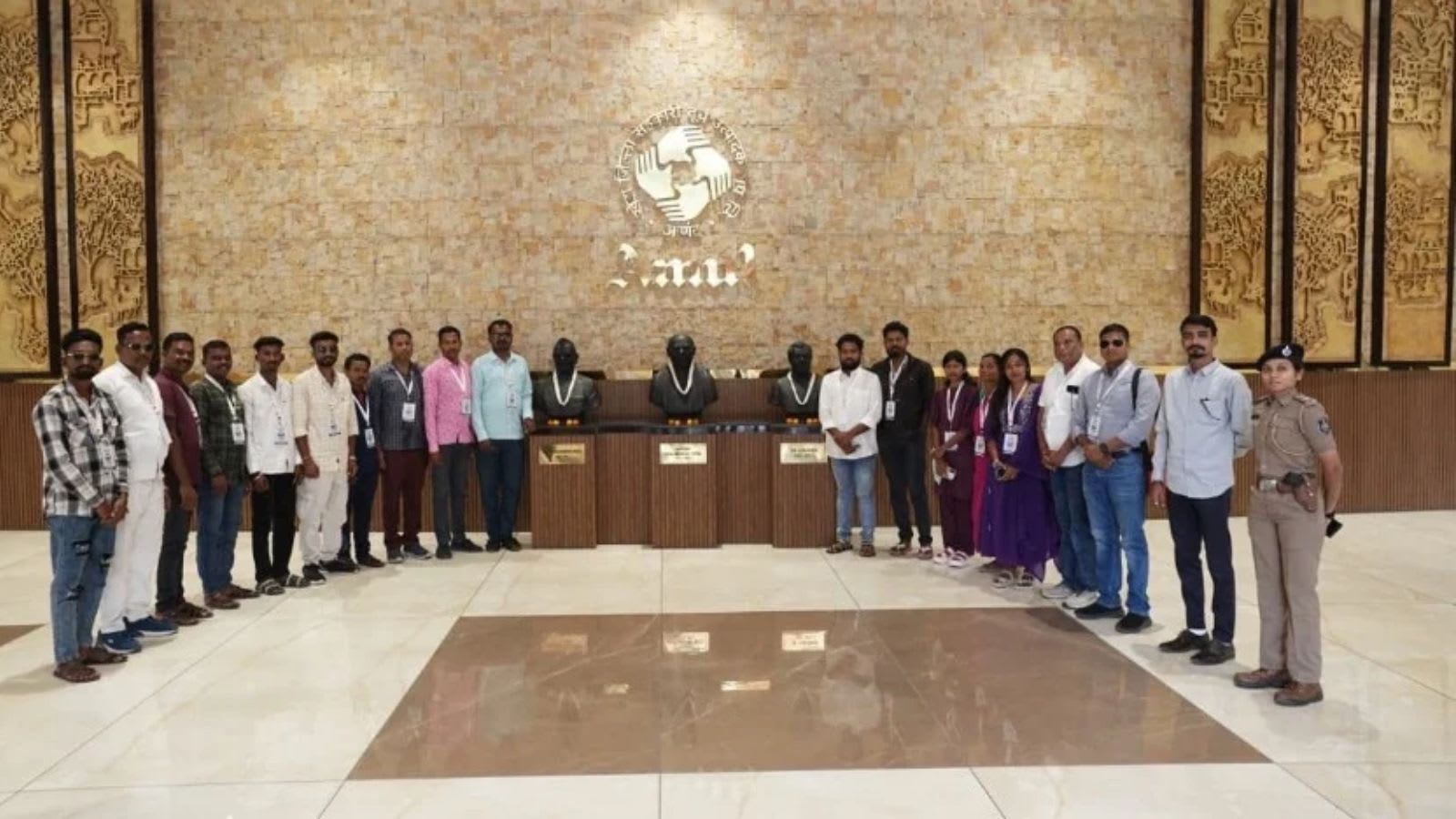
Women leaders from conflict-affected regions like Bastar are participating in Rashtriya Ekta Diwas at the Statue of Unity. Their presence highlights the transition from living under the shadow of Left-wing Extremism to active governance and community development.
Bridging the Divide: From Bastar to Kevadia
The participation of grassroots leaders like 23-year-old sarpanch Swapna Korsa at the Rashtriya Ekta Diwas celebrations in Kevadia marks a significant symbolic shift for India’s interior regions. For decades, areas like Neganar in Chhattisgarh’s Bastar district were defined by the severe limitations imposed by Left-wing Extremism (LWE). These constraints were not merely geographical but systemic, manifesting as broken infrastructure, the absence of functional schools, and the constant threat of violence, including landmine explosions that turned routine agricultural work into life-threatening endeavors.
The Human Cost of Conflict
The historical context of these regions is one of profound isolation. The destruction of mobile towers and the prevention of road construction were strategic efforts to maintain the grip of insurgency, effectively severing these communities from the digital and physical networks of the nation. For the residents of Bastar, the distance to the rest of India was measured by the failure of state services and the prevalence of fear, creating a developmental vacuum that hampered generations of growth.
A Shift Toward 'Naxal Mukt Bharat'
This year’s theme of “Naxal Mukt Bharat” (a Naxal-free India) provides a backdrop for a new narrative of resilience. The presence of young representatives at the Statue of Unity in Gujarat signifies a transition from a survival-based existence to one of political agency. By moving from the frontlines of a conflict zone to a national platform, these individuals are not just observers; they are the frontline architects of a post-conflict society, tasked with the difficult work of rebuilding local administration and social infrastructure.
Empowerment Through Governance
Swapna Korsa’s role as a sarpanch represents a fundamental change in the leadership landscape of Sukma. In regions previously dominated by insurgency, the emergence of young, female leadership is a critical indicator of shifting social dynamics. These leaders are tasked with bridging the gap between local aspirations and national development goals, turning the focus from security concerns to education, connectivity, and economic integration.
Future Trends and Integration
The integration of isolated villages into the national mainstream is a long-term process that requires more than just the cessation of violence. It necessitates the consistent delivery of basic services—roads, schools, and telecommunications—that were once targets of sabotage. The journey of these leaders from the remote hinterlands of Chhattisgarh to the Statue of Unity serves as a powerful testament to the potential of these regions when provided with security and the opportunity to participate in the broader Indian democratic process.