'Position unchanged': India rejects Pak's remarks in Asean on Indus Waters Treaty
Source Entity
TOI NEWS DESK
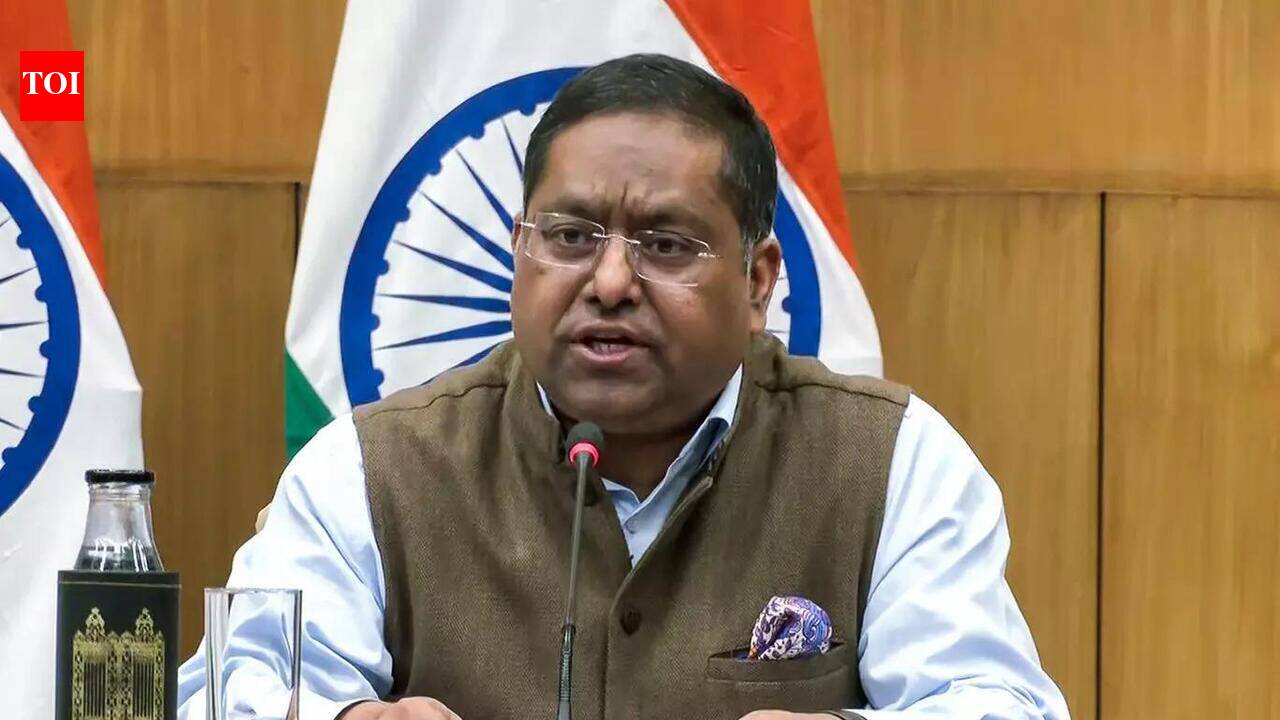
India has formally rejected Pakistan's recent attempt to internationalize the Indus Waters Treaty during an ASEAN-related forum. New Delhi maintains that the treaty remains unchanged and is not a subject for multilateral discussion.
India Rejects Pakistan's Attempt to Internationalize Indus Waters Treaty
The Diplomatic Standoff
The Indian government has firmly rejected recent remarks made by Pakistan regarding the Indus Waters Treaty (IWT) during an ASEAN-related forum. New Delhi’s stance remains unequivocal: the treaty is a bilateral mechanism that does not require—nor benefit from—multilateral intervention or discussion in international forums. By raising the issue at an ASEAN event, Pakistan attempted to bring a strictly bilateral dispute into a broader regional spotlight, a move India has categorized as inappropriate and inconsistent with the established framework of the 1960 agreement.
Context of the Indus Waters Treaty
The Indus Waters Treaty, brokered by the World Bank in 1960, has historically been cited as one of the most successful water-sharing agreements globally. It governs the management of the Indus river system, allocating the waters of the three eastern rivers to India and the three western rivers to Pakistan. For decades, the treaty has survived multiple wars and significant geopolitical tensions, functioning as a vital conduit for technical communication between the two neighbors. India’s recent dismissal of Pakistan’s remarks underscores its preference for maintaining the treaty’s integrity through existing bilateral channels rather than shifting the discourse to international platforms.
India’s Strategic Position
India’s refusal to engage in a discussion on the treaty at the ASEAN forum is reflective of its broader foreign policy doctrine, which seeks to limit the internationalization of issues involving Pakistan. New Delhi views the treaty as a technical, rather than political, instrument. By asserting that its position is "unchanged," India is signaling that it will continue to exercise its rights under the treaty while adhering to the technical provisions set forth in 1960. This move is designed to prevent the creation of a precedent where bilateral water disputes are treated as regional security concerns.
Implications for Regional Stability
The attempt to shift the narrative around the IWT highlights the fragility of India-Pakistan relations. Water security is an existential issue for both nations, particularly given the pressures of climate change and shifting agricultural demands. By bringing the matter to a third-party platform, Pakistan likely aimed to gain international leverage or pressure. However, India’s firm rejection demonstrates a clear boundary-setting exercise, emphasizing that the treaty must be managed through the Permanent Indus Commission rather than through diplomatic grandstanding at regional summits.
Future Outlook and Conclusion
Looking ahead, the tension surrounding the Indus Waters Treaty is likely to persist as both nations grapple with resource scarcity and competing developmental goals. Future trends suggest that while the treaty will likely remain intact due to the lack of viable alternatives, the frequency of diplomatic friction over its implementation may increase. India’s current diplomatic strategy appears to be one of containment—ensuring that the IWT remains a bilateral technical matter to prevent further geopolitical entanglements. Ultimately, the stability of the Indus basin will depend on the willingness of both parties to honor the treaty's original spirit while navigating the modern complexities of regional diplomacy.