Nepal floods: 163 Indians rescued, 151 leave China as India steps up rescue operations, says Centre
Source Entity
Latest News: Todays Latest News Headlines from India & World | Hindustan Times | Hindustan Times
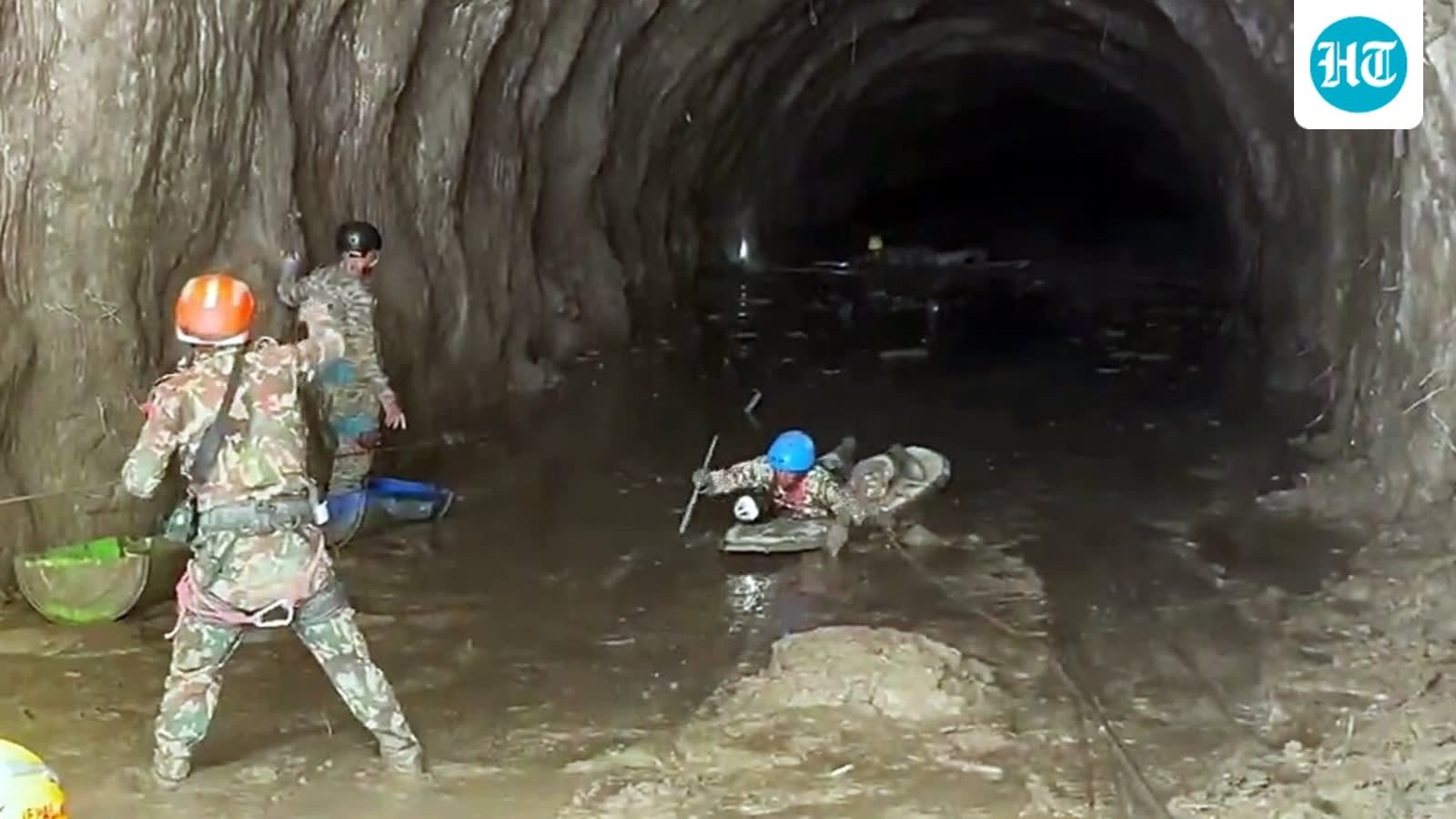
India has successfully rescued 163 nationals following devastating flash floods in Nepal, while simultaneously coordinating specialized forensic and tunnel rescue operations. Collaborative efforts continue at hydropower sites in Chilime as the death toll in the region surpasses 1,000.
India Intensifies Humanitarian Response to Nepal Flood Crisis
The recent catastrophic flash floods in Nepal have triggered a massive international humanitarian response, with India playing a pivotal role in search and rescue operations. As of September 1, the Ministry of External Affairs (MEA) confirmed that 163 Indian nationals have been successfully rescued, with efforts continuing around the clock to locate those missing in the wake of the deluge. This operation reflects the deep-rooted bilateral cooperation between New Delhi and Kathmandu during times of natural disaster.
Specialized Tunnel Rescue Operations
One of the most critical aspects of the ongoing mission involves the specialized tunnel rescue teams deployed by India. Working in close coordination with the Nepali Army, these teams have established a vital foothold at the hydropower tunnel sites in Chilime, Rasuwa. The urgency of this mission cannot be overstated, as reports indicate that approximately 500 individuals are potentially trapped within 12 different hydropower project tunnels. The structural instability and environmental hazards inherent in flood-damaged tunnels present significant challenges to these specialized units.
Addressing the Broader Human Toll
Beyond the rescue of Indian nationals, the scale of the disaster is staggering. Official figures from Nepal’s disaster agency report over 1,000 confirmed deaths and nearly 4,000 people missing, including 583 foreign nationals. The visual reality of the tragedy is stark, marked by scenes of parents searching for belongings in destroyed classrooms in areas like the Dhading district. The local authorities in Kathmandu have been forced to conduct mass burials in trenches to manage the mounting loss of life, underscoring the severity of this unprecedented flash flood event.
Forensic Support and Diplomatic Coordination
In addition to physical rescue efforts, India has bolstered the local response through the deployment of a 19-member specialized forensics team. This team began operations in Kathmandu on Sunday, assisting with the identification and processing of victims. This technical support is essential for providing closure to affected families and managing the complex logistical demands of a disaster of this magnitude. Meanwhile, the MEA continues to monitor the safety of its citizens abroad, noting that 151 Indian nationals safely departed China on Tuesday amidst these regional disruptions.
Future Trends and Regional Implications
Looking ahead, the recovery phase will likely be protracted, necessitating sustained international collaboration. The reliance on hydropower in the region, which has now become a focal point of the rescue efforts, highlights the vulnerability of critical infrastructure to extreme weather patterns. As India and Nepal continue their joint operations, the focus will eventually shift from immediate rescue to long-term reconstruction and the strengthening of disaster resilience protocols along the border regions. The success of these current operations serves as a testament to the efficacy of regional disaster management frameworks in South Asia.
Multiple Citing Sources
Verification Required?