India slams Pakistan's 'state-sponsored' misinformation at Asean, says IWT in abeyance
Source Entity
TOI NEWS DESK
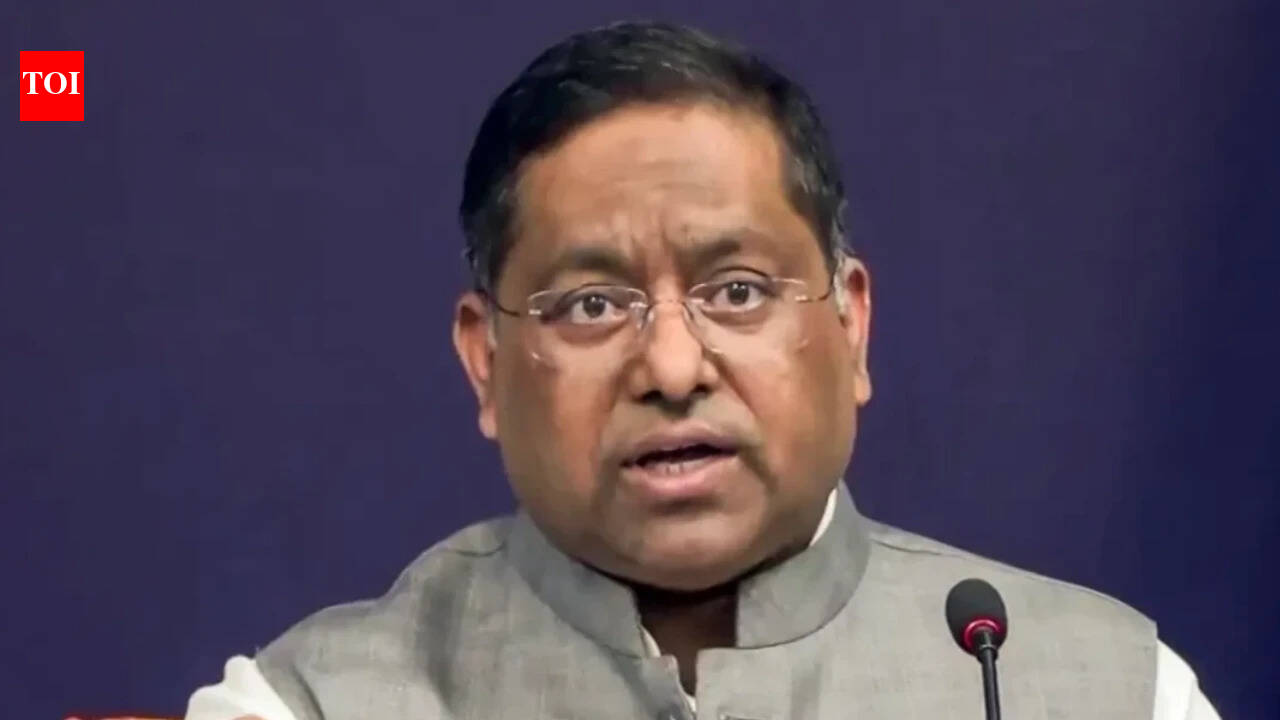
India has formally rebuked Pakistan at the ASEAN summit, accusing the nation of spreading state-sponsored misinformation. New Delhi further emphasized that the Indus Waters Treaty is currently in a state of abeyance.
Diplomatic Tensions at the ASEAN Summit: An Analysis
The Confrontation
Recent diplomatic proceedings at the ASEAN summit have been marked by a significant escalation in tensions between India and Pakistan. The Indian delegation has issued a strong condemnation of Pakistan, specifically targeting what it describes as a campaign of "state-sponsored" misinformation. This move signals a hardening of India's stance against its neighbor, moving beyond traditional bilateral disputes to confront what New Delhi perceives as a coordinated effort to manipulate international narratives on a global stage.
The Indus Waters Treaty in Abeyance
Central to this diplomatic friction is the status of the Indus Waters Treaty (IWT). India has explicitly stated that the treaty is currently in a state of abeyance. This is a critical development, as the IWT has historically been one of the most durable frameworks for cooperation between the two nuclear-armed neighbors since its inception in 1960. By declaring the treaty in abeyance, India is signaling profound dissatisfaction with the existing mechanisms for dispute resolution, suggesting that the foundational trust required for such a technical agreement has been severely compromised.
Broader Implications for South Asian Stability
The implications of this announcement are far-reaching. The Indus Waters Treaty manages the distribution of water from the Indus River system, which is vital for the agricultural and economic survival of both nations. A shift in the status of this treaty could introduce unprecedented instability in the region, potentially impacting water security for millions. Furthermore, raising this issue at an ASEAN summit—a forum where India seeks to project its influence as a regional stabilizer—highlights India's intent to internationalize its concerns regarding Pakistan's regional policies.
Analyzing the Misinformation Allegations
India’s accusation of "state-sponsored" misinformation reflects a growing concern regarding the weaponization of information in modern geopolitics. By challenging these narratives in a multilateral forum like ASEAN, India is attempting to preemptively neutralize attempts by Pakistan to influence third-party perceptions. This strategy reflects a broader trend of India engaging more assertively in the information warfare domain, ensuring that its strategic interests are not undermined by what it labels as coordinated external propaganda.
Future Trends and Strategic Outlook
Looking ahead, the relationship between India and Pakistan appears set for a period of continued strain. The shift from bilateral technical disputes to public, high-level diplomatic confrontation suggests that India is no longer prioritizing the preservation of existing status-quo agreements if it perceives them to be ineffective or detrimental to its national security interests. Observers should expect further challenges to legacy treaties and a more aggressive posture from New Delhi in international forums as it seeks to isolate Pakistan’s narrative and solidify its own diplomatic standing.
Multiple Citing Sources