'Baseless': India rejects Pakistan minister Ishaq Dar's remarks on Kashmir at ASEAN meet
Source Entity
Latest News: Todays Latest News Headlines from India & World | Hindustan Times | Hindustan Times
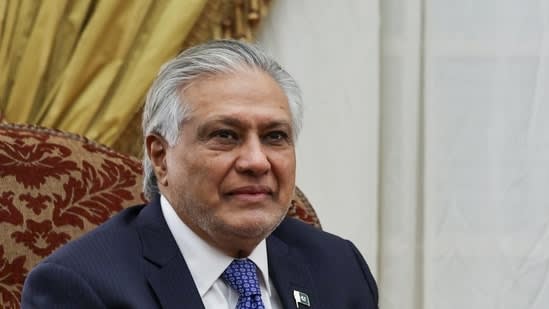
India has strongly condemned Pakistan for using the ASEAN Regional Forum to spread misinformation regarding the Kashmir issue and the Indus Waters Treaty. The Indian government rejected these claims as baseless, labeling Pakistan's actions as a cynical exploitation of multilateral platforms.
Diplomatic Friction at the ASEAN Regional Forum
The recent ASEAN Regional Forum (ARF) in Manila became the stage for a sharp diplomatic confrontation between India and Pakistan. The tension escalated after Pakistan’s Deputy Prime Minister and Foreign Minister, Ishaq Dar, utilized the multilateral platform to raise the long-standing Kashmir issue and comment on the status of the Indus Waters Treaty (IWT). India, represented at the event, responded with a firm rebuke, labeling the remarks as both baseless and a deliberate attempt to propagate state-sponsored misinformation.
India’s Rejection of Rhetoric
External Affairs Ministry spokesperson Randhir Jaiswal issued a categorical rejection of the statements made by Dar. India’s stance is that Pakistan frequently employs international gatherings to divert global attention from its own internal challenges, specifically its track record regarding the sponsorship of terrorism. By bringing bilateral grievances into a regional forum intended for security cooperation, India argues that Pakistan is cynically exploiting the ASEAN framework to gain leverage on issues that are fundamentally internal or strictly bilateral in nature.
The Indus Waters Treaty Contention
Central to the disagreement is the status of the Indus Waters Treaty, a 1960 water-distribution agreement between the two nations brokered by the World Bank. While Pakistan has sought to frame the treaty's status as a matter of international concern, India’s response highlights that these narratives are often used to suit Pakistan's diplomatic agenda. The mention of the treaty being in 'abeyance' or requiring specific dialogue, as claimed by Minister Dar, was met with sharp pushback from Indian officials who view such public commentary as an attempt to undermine the existing legal and technical mechanisms governing the water-sharing agreement.
The Pattern of Multilateral Misuse
This incident is reflective of a broader pattern in South Asian diplomacy where multilateral summits are often leveraged for performative posturing rather than substantive regional integration. India has consistently maintained that the ASEAN Regional Forum is meant for discussing regional security architecture, not for venting bilateral frustrations. By continuously raising the Kashmir issue in these forums, Pakistan seeks to internationalize a dispute that India maintains is a bilateral matter to be resolved without third-party interference.
Broader Geopolitical Implications
Looking ahead, this diplomatic spat highlights the deepening chasm between the two nuclear-armed neighbors. The persistent lack of trust, compounded by the use of international platforms to trade accusations, suggests that regional cooperation in South Asia remains stagnant. As both nations continue to navigate their respective geopolitical orbits, the ability to engage in constructive dialogue remains hampered by these cycles of public confrontation. Experts suggest that as long as Pakistan continues to use these platforms for narrative-building, India is likely to maintain its policy of 'firm rejection' to ensure that its sovereign positions are not diluted or misrepresented on the global stage.
Conclusion
The ASEAN Regional Forum encounter underscores the enduring fragility of India-Pakistan relations. While Pakistan continues to seek international support for its grievances, India remains steadfast in its refusal to engage in multilateral discussions on bilateral issues. This cycle of accusation and rejection not only limits the efficacy of regional forums but also reinforces the status quo, where diplomatic progress remains elusive in the face of deep-seated historical and political animosities.
Multiple Citing Sources
Verification Required?