Why the new US-Saudi nuclear deal could trigger a global nuclear chain reaction
Source Entity
Latest News: Todays Latest News Headlines from India & World | Hindustan Times | Hindustan Times
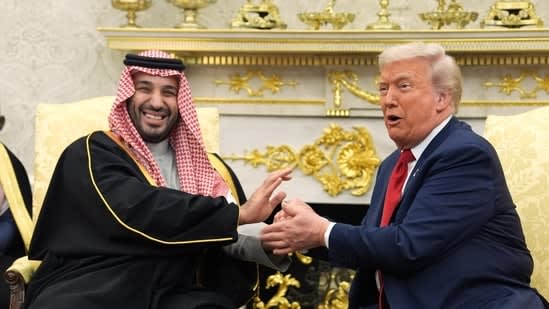
The U.S. and Saudi Arabia have signed a multibillion-dollar agreement to develop a civilian nuclear program, granting the Kingdom potential uranium enrichment capabilities. This deal faces scrutiny over its unique inspection limitations and its role in regional security dynamics involving Iran.
The New U.S.-Saudi Nuclear Paradigm
The recent signing of a civilian nuclear agreement between the United States and Saudi Arabia marks a significant shift in Middle Eastern energy policy and geopolitical alignment. By establishing a legal framework for a decades-long, multibillion-dollar partnership, the deal aims to transition the Kingdom—which currently relies on fossil fuels for nearly 100% of its electricity—toward a more diversified energy portfolio. This initiative is a central pillar of Saudi Arabia's Vision 2030, which seeks to modernize the economy and reduce dependence on oil exports.
Strategic Implications and Enrichment Concerns
Central to the controversy surrounding this agreement is the provision that may allow Saudi Arabia to enrich uranium on its own soil. While framed as a civilian nuclear program, uranium enrichment is a dual-use technology, meaning the infrastructure developed for power generation could theoretically be repurposed. Experts have expressed alarm, noting that the deal includes unusual concessions regarding the limitations placed on international inspectors. These constraints deviate from standard U.S. non-proliferation protocols, raising questions about the transparency of the Kingdom’s future nuclear activities.
The Regional Security Context
Crown Prince Mohammed bin Salman has explicitly linked the Kingdom's nuclear ambitions to the regional rivalry with Iran. His previous public statements—asserting that Saudi Arabia would pursue a nuclear bomb if Iran were to develop one—have cast a shadow over this civilian agreement. The deal arrives at a period of heightened anxiety among U.S. allies in the region, who are increasingly concerned about shifting global alliances, regional threats, and the long-term reliability of the American security umbrella.
Economic and Industrial Impact
The agreement serves as a major industrial victory for the United States, as it mandates that American companies take the lead in constructing Saudi Arabia’s nuclear infrastructure. Valued at tens of billions of dollars over its 30-year lifespan, the deal effectively sidelines international competitors, ensuring that U.S. firms capture the primary economic benefits of the Kingdom's energy transition. This protectionist approach is designed to solidify the U.S.-Saudi industrial relationship for the coming generation.
Congressional Oversight and Future Trends
As mandated by the Atomic Energy Act, this agreement must now undergo a rigorous review by the U.S. Congress. This process will serve as a critical check on the executive branch’s strategy, inviting debate on the risks of nuclear proliferation versus the benefits of energy cooperation. The outcome of these reviews will likely set a precedent for how the U.S. manages nuclear technology exports in an era where energy security and geopolitical influence are increasingly intertwined. Future trends suggest that this deal may trigger a regional 'nuclear race' as neighboring nations seek to match Saudi capabilities, fundamentally altering the Middle East's strategic balance.
Multiple Citing Sources
Verification Required?