"India Is Now A Solar Superpower Backed By Skilled Workforce": UN Climate Chief
Source Entity
NDTV News Search Records Found 1000
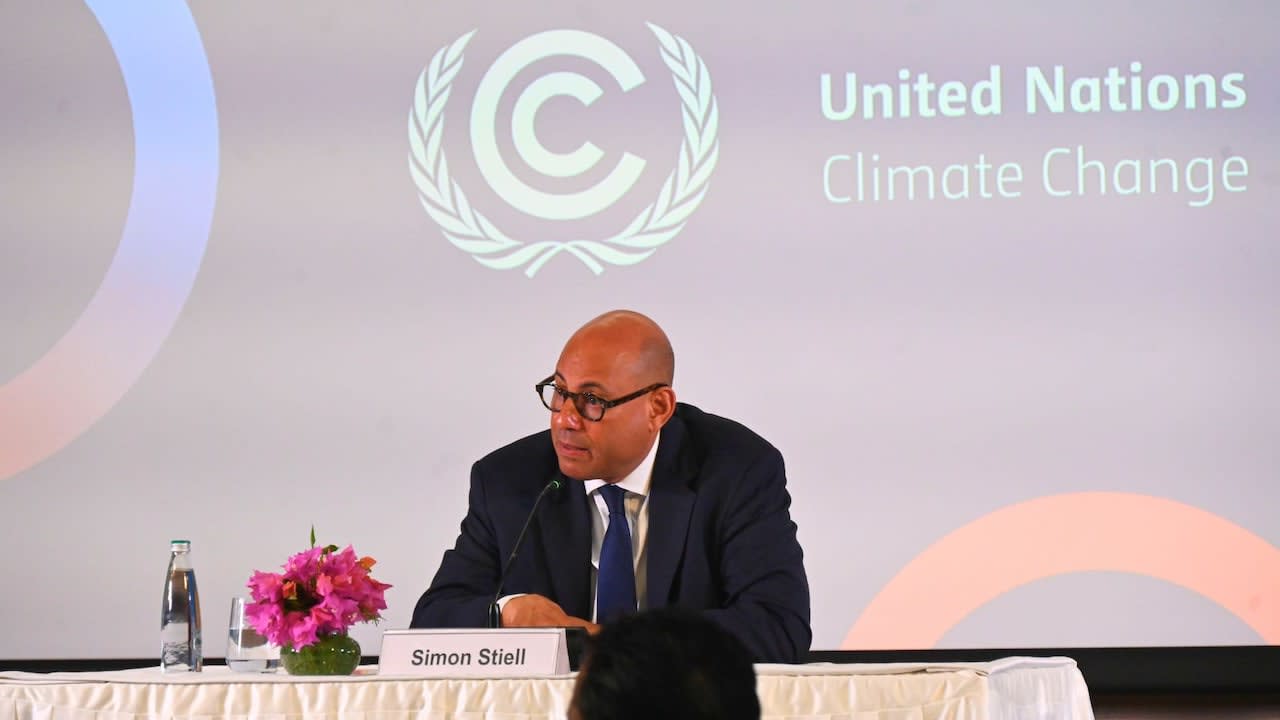
UN Climate Change Executive Secretary Simon Stiell has lauded India as a global solar superpower, citing the country's success in achieving half of its power capacity from non-fossil sources. Stiell emphasized that India's strategic focus on decarbonization and electrification is essential for overcoming complex technical and financial energy transition hurdles.
India's Emergence as a Global Solar Powerhouse
Simon Stiell, the Executive Secretary of the United Nations Framework Convention on Climate Change (UNFCCC), recently highlighted India’s pivotal role in the global energy transition. By labeling India a “solar superpower,” Stiell underscored the nation's significant progress in shifting its energy portfolio. With half of India’s current installed power capacity now derived from non-fossil fuel sources, the country has set a tangible precedent for emerging economies balancing industrial growth with environmental stewardship.
Strategic Decarbonization and Self-Interest
Stiell noted that India’s transition is not merely a response to international pressure but a strategic alignment with its own national self-interest. By prioritizing decarbonization and electrification, India is positioning itself to mitigate the long-term economic risks associated with fossil fuel dependency. This dual-pronged strategy is supported by a robust integration of both public and private sector financing, ensuring that the capital required for such an immense transition is accessible and efficiently deployed.
Overcoming Technical and Financial Hurdles
Despite the successes, the path toward a fully green grid remains fraught with complexity. During discussions with Indian ministers and business leaders, Stiell acknowledged that challenges exist across a broad spectrum. Central to these are technical obstacles, specifically regarding the modernization of electrical grids and the development of large-scale energy storage solutions. These issues are not unique to India; they represent the primary bottlenecks for all major global economies currently attempting to overhaul their legacy energy infrastructure.
The Human Capital Advantage
Beyond technology and policy, Stiell emphasized the importance of India’s skilled workforce as a critical driver of this transition. A transition toward renewable energy is labor-intensive, requiring specialized expertise in manufacturing, grid management, and sustainable technology deployment. India’s ability to foster this talent pool provides a competitive advantage, allowing the nation to accelerate its renewable integration while simultaneously fostering domestic job creation.
Broader Implications and Future Trends
Looking ahead, India’s experience offers a roadmap for other developing nations. The convergence of international climate goals with domestic economic incentives suggests a sustainable model for future growth. As India continues to address grid stability and storage limitations, its successes will likely influence global climate negotiations and investment trends. The ongoing collaboration between the UNFCCC and Indian stakeholders serves as a testament to the fact that global climate objectives are increasingly being met through localized, pragmatic industrial policy.
Multiple Citing Sources
Verification Required?