EAM Jaishankar participates in Asean Regional Forum meeting, East Asia Summit
Source Entity
Latest News: Todays Latest News Headlines from India & World | Hindustan Times | Hindustan Times
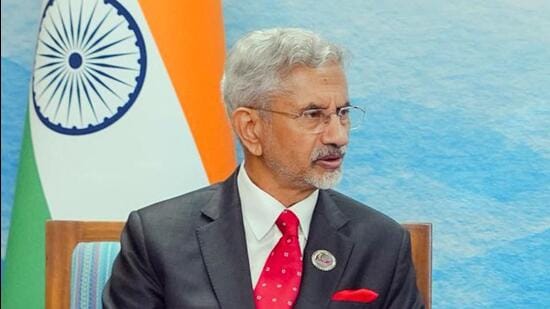
External Affairs Minister S. Jaishankar reinforced India's commitment to regional security at the ASEAN Regional Forum and East Asia Summit. He advocated for zero tolerance toward terrorism and emphasized the critical need for maritime safety and diplomatic resolution in ongoing global conflicts.
India’s Strategic Stance at the ASEAN Regional Forum and East Asia Summit
External Affairs Minister S. Jaishankar’s participation in the ASEAN Regional Forum (ARF) and the East Asia Summit (EAS) in the Philippines marks a significant assertion of India’s foreign policy priorities. By engaging with this 27-member security platform, India continues to solidify its role as a key stakeholder in the Indo-Pacific region, emphasizing that collective security is paramount during these increasingly complex geopolitical times.
A Firm Stance Against Terrorism
At the core of Jaishankar’s message was a resolute “zero tolerance” policy toward terrorism. By stating that “acts of terrorism will have consequences,” the Minister signaled a departure from passive diplomatic rhetoric, moving toward a stance of accountability. This message serves as a reminder to regional partners that India views cross-border and state-sponsored terrorism not just as a national security issue, but as a fundamental threat to the stability of the entire Indo-Pacific architecture.
Maritime Security and the Global South
Beyond regional security, Jaishankar addressed the volatile state of global maritime trade. With a clear focus on the crisis in West Asia, he underscored that attacks on civilian shipping are intolerable. This is particularly relevant given the economic vulnerability of the Global South, which relies heavily on secure sea lanes for energy and commodity imports. His call for a substantive Code of Conduct for the South China Sea further reinforces India’s advocacy for international maritime law and the peaceful settlement of disputes.
Diplomatic Engagement as a Catalyst
Jaishankar’s emphasis on diplomatic engagement to resolve West Asian crises highlights India’s self-perception as a bridge-builder in international relations. By engaging with counterparts from the UK, Oman, and the Netherlands on the sidelines of the summit, India is actively weaving a network of partnerships designed to de-escalate tensions and promote regional cooperation. This multi-pronged approach demonstrates that India’s foreign policy is increasingly focused on proactive conflict management.
Future Implications and Trends
Looking ahead, India’s participation in these forums signals an intent to remain deeply embedded in the security discourse of Southeast Asia. As the Indo-Pacific becomes the primary theater for global power competition, India's insistence on adherence to international law and its rejection of coercive tactics will likely remain the bedrock of its regional strategy. The focus on “consequences” for terrorism suggests that India will continue to leverage its growing economic and diplomatic capital to hold regional actors accountable, potentially shifting the power dynamics within the ASEAN framework toward a more security-conscious agenda.
Verification Required?