What are the gains from the India-U.K. trade deal? | Explained
Source Entity
India Latest News: Top National Headlines Today & Breaking News | The Hindu
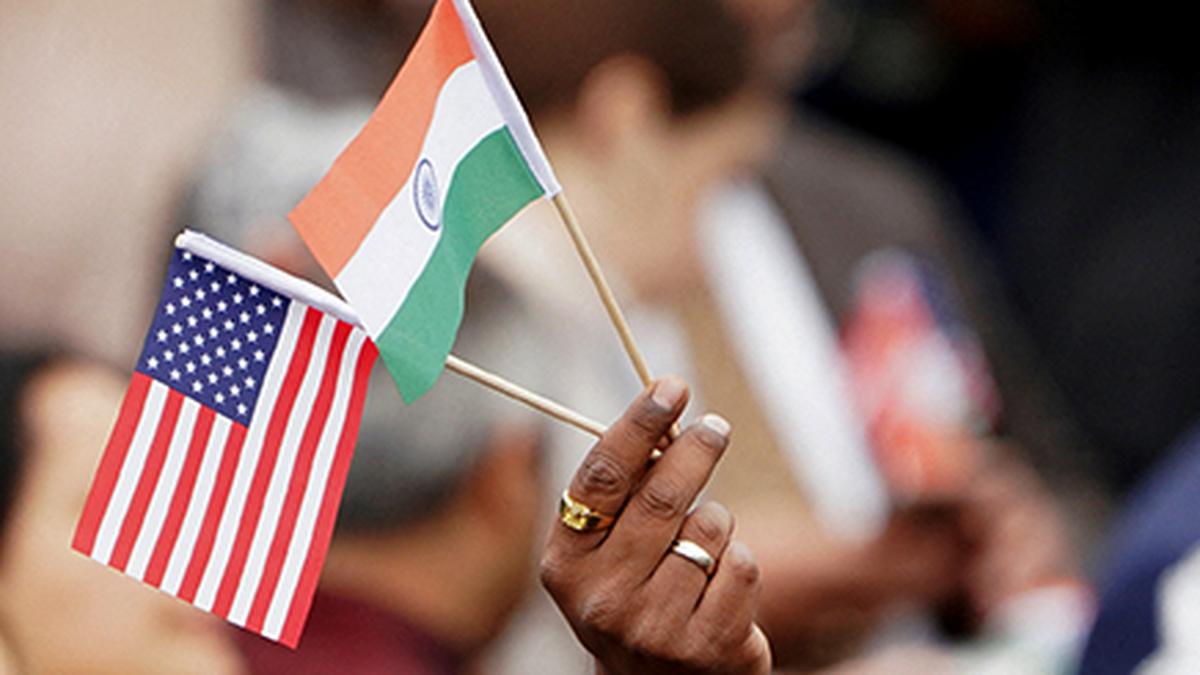
The proposed India-U.K. trade deal aims to eliminate tariffs on key goods like British whisky and cars while facilitating easier movement and better opportunities for Indian professionals working in the United Kingdom.
Analyzing the Strategic Implications of the India-U.K. Trade Deal
The proposed Free Trade Agreement (FTA) between India and the United Kingdom is more than a mere commercial arrangement; it is a strategic realignment of two historic partners in a post-Brexit global economy. By focusing on the removal of tariffs and the liberalization of services, this deal seeks to create a seamless economic corridor that leverages the UK's high-end manufacturing and spirits industry and India's massive consumer market and skilled labor force. The core objective is to reduce the cost of doing business, thereby stimulating bilateral investment and increasing the volume of trade in both directions.
The Impact of Zero Tariffs on Consumer Goods
One of the most immediate and visible gains from this agreement would be the implementation of zero tariffs on specific luxury and industrial goods. For the UK, the reduction of tariffs on Scotch whisky—a flagship export—would significantly lower prices for Indian consumers, potentially opening up a massive new demographic of middle-class drinkers. Similarly, the automotive sector, particularly British luxury car brands, stands to gain immense market share as the cost of importing these vehicles drops. This shift not only benefits the manufacturers but also encourages a diversification of the Indian luxury market, making high-end British engineering more accessible.
Labor Mobility and the Professional Corridor
Beyond the movement of goods, the deal places a heavy emphasis on the 'services' sector, specifically regarding the mobility of Indian workers. For years, visa restrictions have been a primary friction point in India-UK relations. By securing "major benefits" for Indian workers, the deal likely envisions streamlined visa processes for skilled professionals, healthcare workers, and IT specialists. This would allow India to export its talent more efficiently while helping the UK address critical labor shortages in the NHS and the tech sector. This reciprocity transforms the relationship from a simple buyer-seller dynamic into a collaborative talent-sharing ecosystem.
Historical Context and the Post-Brexit Pivot
To understand the urgency of this deal, one must look at the historical context of the United Kingdom's exit from the European Union. Post-Brexit, the UK has pursued a "Global Britain" strategy, seeking to replace lost EU market access with high-growth partnerships in the Indo-Pacific. India, conversely, is currently positioned as one of the fastest-growing major economies in the world. The synergy here is clear: the UK needs a gateway to Asia, and India needs high-quality investment and technology transfers to fuel its 'Make in India' ambitions. This trade deal is the culmination of years of diplomatic maneuvering to synchronize these two national interests.
Broader Economic Implications and Future Trends
Looking forward, the successful implementation of this deal could serve as a blueprint for other comprehensive economic partnership agreements (CEPAs) that India signs globally. We can predict a trend toward "deep integration," where trade deals move beyond tariffs to include digital trade, intellectual property rights, and green energy collaborations. If the India-UK deal succeeds in balancing the needs of the UK's agricultural/spirits sectors with India's demand for labor mobility, it will likely lead to an explosion of Foreign Direct Investment (FDI) from the UK into India's infrastructure and sustainable energy projects.
Conclusion
In summary, the India-U.K. trade deal is poised to reshape the business landscape by dismantling trade barriers and fostering human capital exchange. While the immediate wins are found in cheaper whisky and cars, the long-term value lies in the strategic partnership and the creation of a robust, modernized economic framework. By aligning their economic goals, both nations are not only boosting their GDPs but are also securing a pivotal geopolitical alliance in an increasingly fragmented global trade environment.
Verification Required?