China dilemma in New Delhi
Source Entity
P Vaidyanathan Iyer
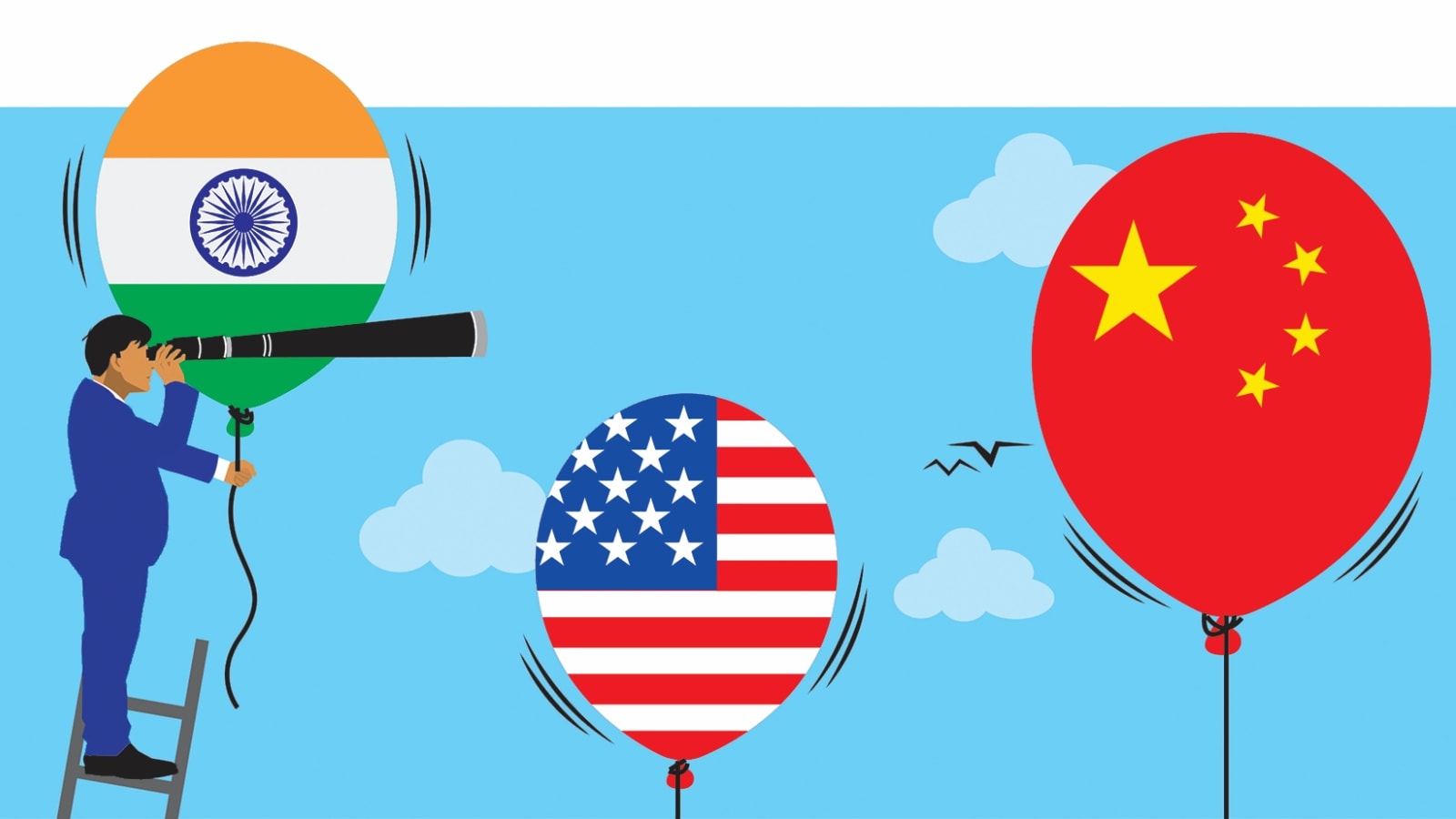
India is recalibrating its diplomatic strategy toward the United States following shifts in American political power. New Delhi aims to broaden its engagement beyond the White House to include new Democratic lawmakers amid rising geopolitical complexities.
Navigating the Shifting Sands of Indo-US Diplomacy
The bilateral relationship between India and the United States has undergone a transformative quarter-century, nurtured carefully by successive administrations in both New Delhi and Washington. However, the last twelve months have tested the resilience of this partnership, as Indian diplomats face an environment characterized by unprecedented unpredictability. The exhaustion of diplomatic bandwidth is a direct consequence of managing these constant, often surprising, developments that require a delicate hand to maintain strategic stability.
The Impact of US Mid-term Elections
Recent mid-term election results in the United States have fundamentally altered the landscape for Indian foreign policy planners. With the shift in legislative power—specifically the loss of a Republican-controlled Congress—the political calculus for India has changed. The era of relying solely on executive-level engagement is evolving, as New Delhi recognizes that the balance of power in Washington is no longer monolithic. This transition mandates a more sophisticated approach to lobbying and relationship-building across the American political spectrum.
Expanding the Outreach Strategy
In response to these political shifts, New Delhi is pivoting toward a more diversified outreach strategy. The realization that the White House is not the sole arbiter of policy has prompted a concerted effort to engage with new Democratic lawmakers in both the House of Representatives and the Senate. This strategy is essential for ensuring that India’s core interests remain a priority regardless of which party holds the executive office, reflecting a maturation of Indian diplomacy that prioritizes legislative consensus.
Managing the China Dilemma
At the heart of this complex diplomatic maneuvering lies the inescapable 'China dilemma.' As India seeks to balance its security concerns and economic interests, the unpredictability of US policy forces New Delhi to be increasingly agile. The management of these regional challenges is inextricably linked to the strength of the Indo-US partnership, making the need for consistent, bipartisan support in the US Congress more critical than ever before.
Future Trends and Strategic Autonomy
Looking ahead, India’s diplomatic trajectory will likely favor a 'hedging' strategy that emphasizes strategic autonomy while deepening institutional ties with the US. By expanding its influence across the legislative aisle, India is not only safeguarding its current interests but also insulating its long-term objectives from the volatility of American domestic electoral cycles. This proactive engagement will be the hallmark of New Delhi’s approach as it navigates the evolving global power structure.
Conclusion
The transition from a presidency-centric focus to a broader, multi-pronged engagement strategy marks a significant milestone in India's diplomatic evolution. By focusing on building deep-rooted relationships with both Republican and Democratic lawmakers, New Delhi is positioning itself to handle the inherent unpredictability of the US political system, ensuring that the critical Indo-US partnership continues to thrive despite the shifting geopolitical winds.
Multiple Citing Sources