Indian designers take Diwali celebrations to the global luxury stage
Source Entity
Latest News: Todays Latest News Headlines from India & World | Hindustan Times
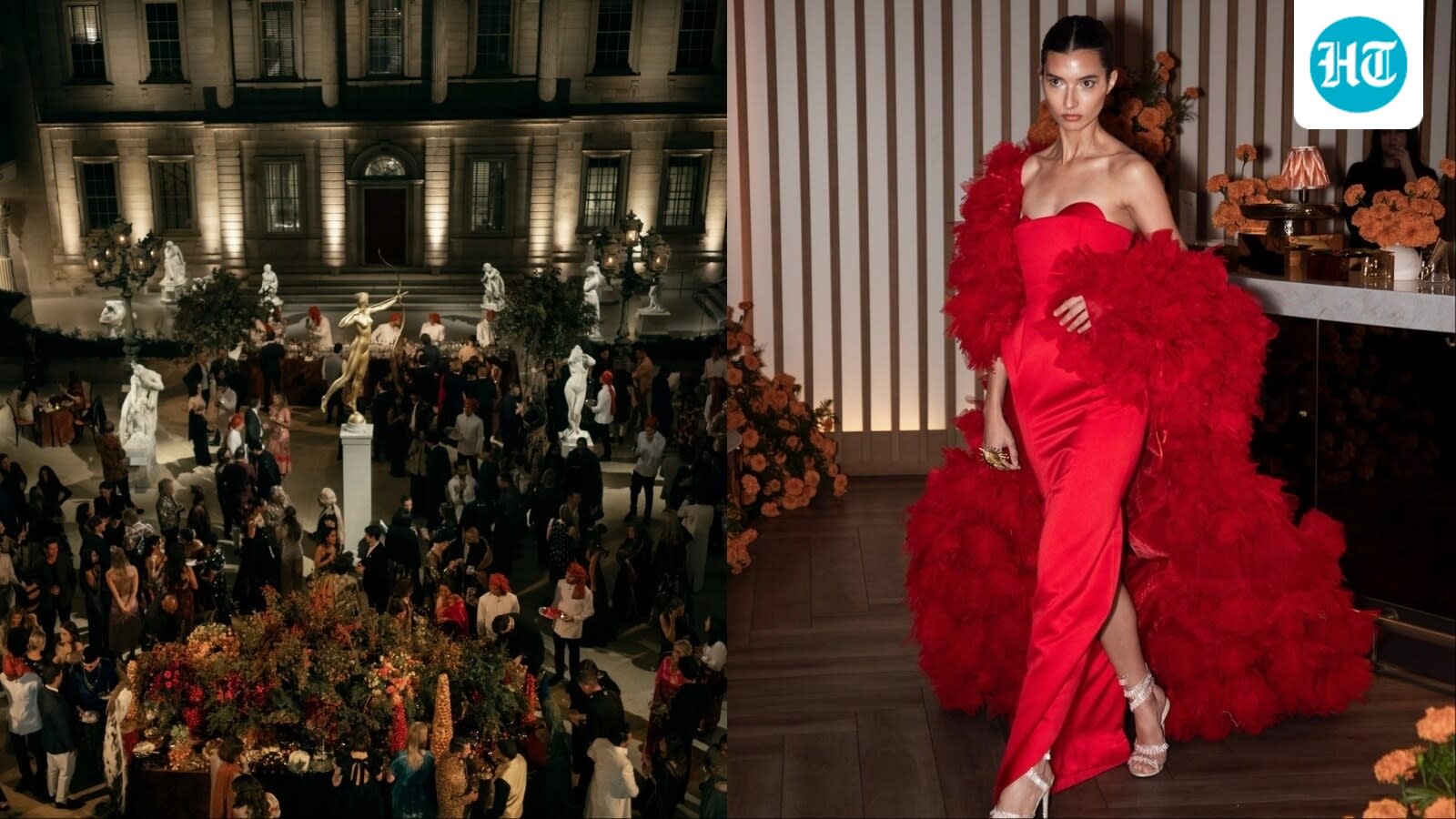
Indian luxury designers are elevating Diwali from a diaspora-focused retail event to a global cultural showcase. Major brands are now hosting high-profile presentations at iconic institutions like The Met and Harrods to reach international audiences.
The Global Evolution of Diwali Fashion
Diwali, the festival of lights, has historically been a time for domestic celebration and diaspora-focused retail. However, this year marks a significant pivot as Indian luxury designers transition from traditional trunk shows to high-profile international brand activations. This shift signals a maturation of the Indian luxury market, moving away from purely transactional sales toward long-term brand positioning on the world stage.
From Trunk Shows to Global Stages
Traditionally, Indian designers reached overseas markets through private appointments and exclusive trunk shows tailored to the Indian diaspora. While these served the immediate demand for festive and wedding attire, they lacked the broader cultural footprint of a mainstream luxury event. The recent move to host gala events at institutions like The Met Museum and retail showcases at Harrods demonstrates a strategic shift toward establishing these labels as global luxury players rather than just niche ethnic wear providers.
Strategic Brand Positioning
By leveraging the cultural weight of Diwali, designers like Sabyasachi and Gaurav Gupta are crafting immersive experiences that transcend simple garment sales. These activations serve as platforms to introduce a designer’s wider brand identity to a global audience that may have previously viewed these collections through a limited, occasion-specific lens. This strategy is essential for competing in the global luxury market, where narrative, heritage, and cultural storytelling are as critical as the physical product.
The Economic Implications
This transition reflects a broader trend of Indian luxury brands seeking to capture a share of the high-end international market. By curating these experiences in global fashion capitals, designers are not only tapping into the purchasing power of the diaspora but are also inviting global luxury consumers to engage with Indian craftsmanship. This move helps in shedding the 'ethnic wear' label, allowing these brands to be categorized alongside established international couture houses.
Future Trends in Cultural Diplomacy
Looking ahead, we can expect this trend of 'festive diplomacy' to intensify. As Indian designers continue to secure spaces in prestigious international venues, they effectively normalize Indian luxury as a staple in the high-fashion ecosystem. This evolution suggests that future Diwali seasons will likely see even more integrated brand storytelling, moving beyond the festive calendar to establish year-round relevance in the global luxury retail landscape.
Conclusion
The elevation of Diwali to a global luxury platform is a landmark moment for the Indian fashion industry. By successfully moving beyond the limitations of traditional trunk shows, designers are proving that Indian craftsmanship possesses the versatility and appeal to command a permanent place in the international luxury market. This shift is not merely about sales; it is about cementing the global status of Indian design heritage.
Verification Required?