EXCLUSIVE | 'Cricket, outside the NFL, is the largest media property in the world'
Source Entity
TANUJ LAKHINA
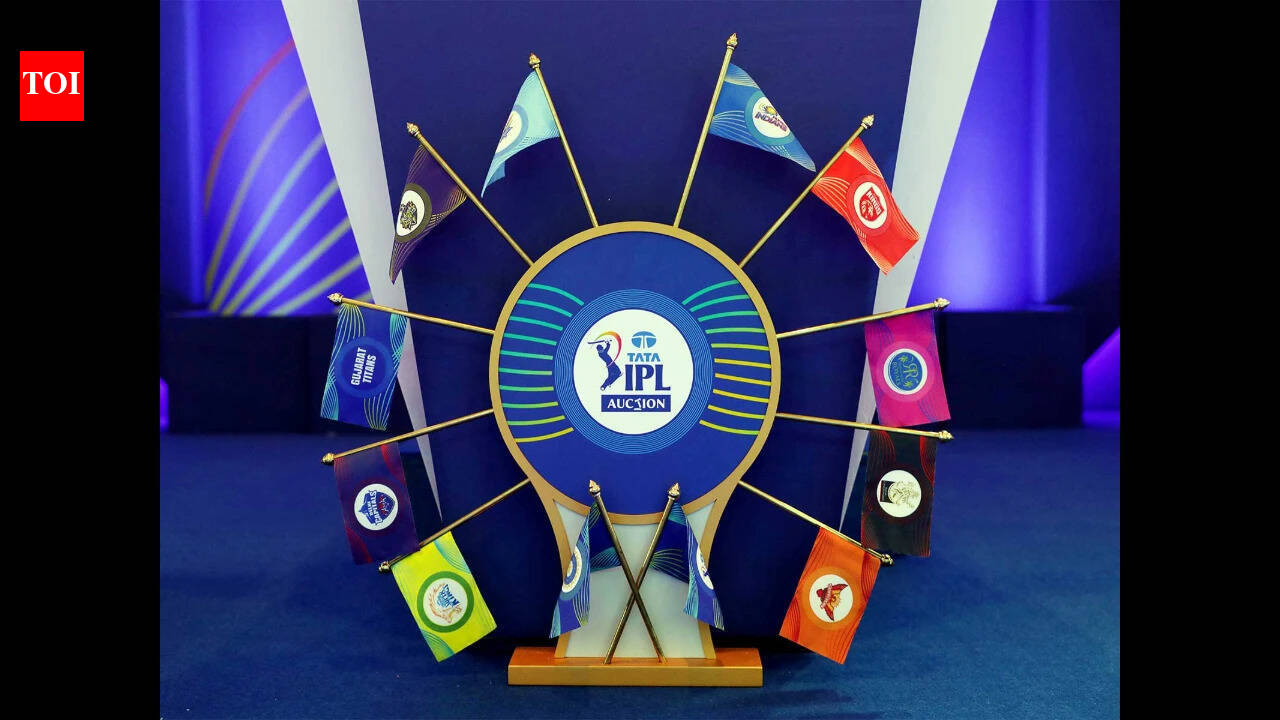
Tony Simpson of Oliver Wyman highlights that the IPL must look beyond broadcast rights to achieve sustainable global growth. He emphasizes that expanding into international markets is essential for cricket to evolve into a diverse, multi-sport economy.
The Global Evolution of Cricket: Beyond Broadcast Rights
The IPL’s Position in the Global Sports Landscape
The Indian Premier League (IPL) has cemented its status as a powerhouse in the global sports economy, currently standing as the largest media property in the world outside of the NFL. According to Tony Simpson of Oliver Wyman, this meteoric rise has been driven by massive broadcast-rights valuations. However, as these growth rates begin to show signs of plateauing, the league faces a critical juncture: transitioning from a media-rights-dependent model to a multifaceted commercial enterprise.
Challenges of Market Concentration
A primary concern for the future of cricket is its heavy reliance on the Indian market, a structural parallel to the NFL’s reliance on the United States. While the IPL serves as the 'jewel in the crown' by aggregating talent from across the globe, the economic model remains geographically tethered. Simpson argues that for long-term sustainability, the sport must move beyond this domestic concentration and actively cultivate consumer bases in North America, Europe, Australia, and other parts of Asia.
The Necessity of International Expansion
To achieve true global scale, the cricket ecosystem must look outward. The challenge lies in converting casual international interest into a consistent, revenue-generating audience. This requires not just the presence of international players in the IPL, but the development of structures that make the sport accessible and engaging to audiences in non-traditional cricket nations. Attracting major international streaming platforms will be pivotal to this expansion, as these entities require a broader, more diversified viewer demographic to justify high-cost licensing.
Building a Multi-Sport Economy
Beyond the broadcast sphere, India’s sports economy is at a crossroads. Simpson suggests that the path forward involves diversifying the revenue mix. Relying solely on media rights is a volatile strategy; therefore, the industry must explore ancillary revenue streams, including localized commercial partnerships, merchandising, and improved stadium experiences. Building a sustainable multi-sport economy in India requires structural shifts that favor long-term investment over short-term rights inflation.
Future Trends and Strategic Outlook
The future of the IPL and global cricket will likely be defined by its ability to innovate. As the league looks to balance its massive domestic success with the need for international penetration, we can expect a strategic pivot toward digital-first engagement and global brand building. If cricket can successfully replicate its domestic success in these untapped international markets, it has the potential to challenge the dominance of other global sports, provided it can secure the necessary streaming infrastructure and commercial backing to sustain the transition.