'Rise in instability in Iran': Indian embassy sounds alarm; urges people to leave, postpone travel
Source Entity
TOI NEWS DESK
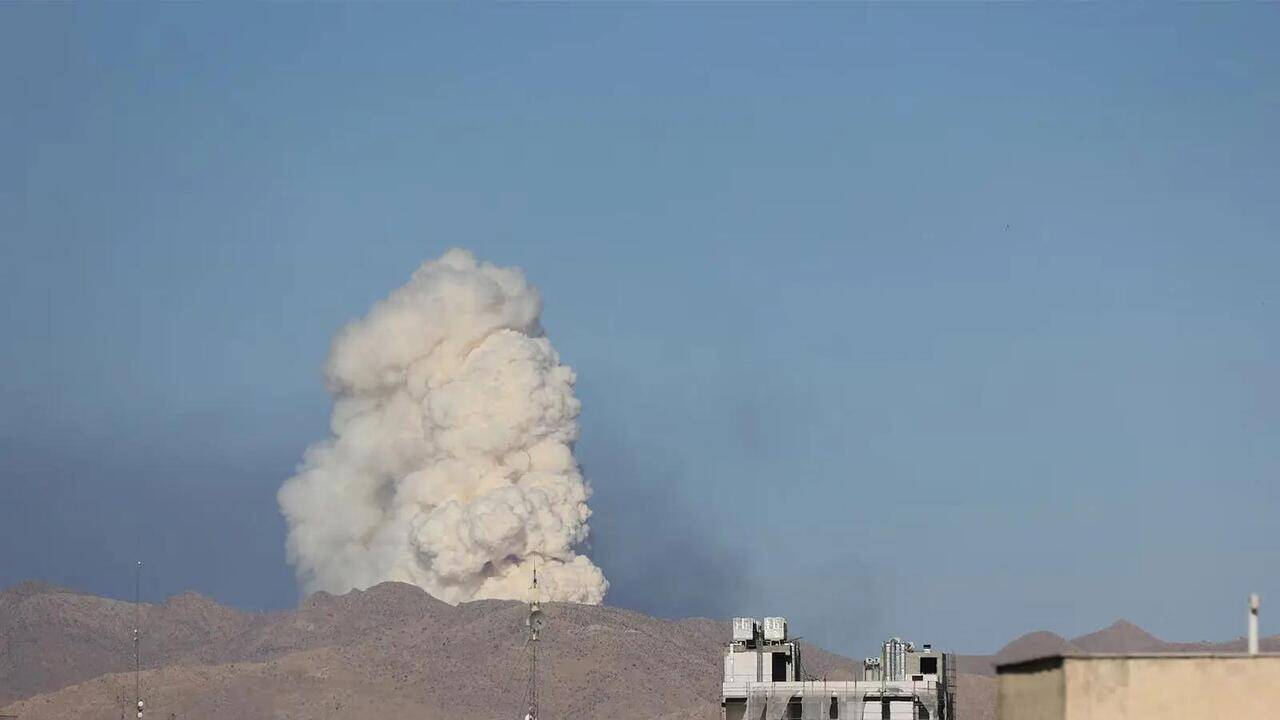
The Indian Embassy in Iran has issued a revised travel advisory urging citizens to postpone all travel to the country. Nationals currently in Tehran are advised to leave via commercial flights due to escalating US-Iran military hostilities.
Urgent Diplomatic Warning: Indian Embassy Signals Rising Instability in Iran
In a significant move to safeguard its citizens, the Indian Embassy in Iran has issued a revised travel advisory, sounding a clear alarm regarding the deteriorating security environment within the country. The advisory specifically urges Indian nationals to postpone all planned travel to Iran and strongly suggests that those currently residing in Tehran consider departing the country temporarily. By specifying the use of available commercial flights, the embassy is emphasizing the need for an orderly and immediate exit before the security situation potentially restricts movement further.
The Catalyst: US-Iran Military Escalation
The primary driver behind this urgent advisory is the intensification of military hostilities between the United States and Iran. The provided reports highlight a cycle of fresh strikes and retaliatory attacks, which have shifted the regional dynamic from diplomatic tension to active military conflict. This volatility creates a high-risk environment for foreign nationals, as the unpredictability of retaliatory strikes can lead to sudden infrastructure collapses, airspace closures, or collateral damage in urban centers like Tehran.
Analysis of the 'Revised' Advisory Status
It is critical to note that this is a revised advisory. In diplomatic terms, a revision typically indicates that previous risk assessments are no longer sufficient and that the situation has evolved from a state of 'caution' to one of 'active danger.' The embassy's explicit statement that "the recent days have seen an increase in levels of instability and conflict" suggests a rapid acceleration of hostilities. This shift necessitates a move from simple awareness to active evacuation recommendations for Indian citizens in the capital.
Strategic Implications for Indian Nationals
By advising citizens to leave Tehran specifically, the Indian government is acknowledging the capital as a primary focal point of potential instability. The recommendation to utilize commercial flights suggests that while air corridors remain open for now, there is a perceived window of opportunity that may close if the conflict escalates further. For Indian businessmen, students, or tourists in the region, the advisory serves as a formal warning that the state's ability to provide consular protection may be hampered if military hostilities disrupt local governance and communication.
Broader Geopolitical Context
The instability in Iran does not exist in a vacuum but is part of a broader, escalating conflict across the Middle East. The cycle of strikes and counter-strikes mentioned in the reports reflects a dangerous feedback loop where each action triggers a more severe reaction. For a country like India, which maintains complex strategic and economic interests in the region, the priority has shifted decisively toward the safety of its diaspora. This move underscores the volatility of the current geopolitical climate where regional sparks can quickly evolve into full-scale instability.
Conclusion and Outlook
In summary, the Indian Embassy's advisory is a direct response to the tangible rise in military aggression between the US and Iran. The shift toward urging citizens to leave Tehran indicates a high level of concern regarding the immediate security of Indian nationals. Moving forward, the situation will likely depend on whether a diplomatic ceasefire can be reached or if the retaliatory cycle continues to widen. Until stability is restored, the Indian government's stance remains one of extreme caution, prioritizing the evacuation and avoidance of the Iranian territory.
Multiple Citing Sources