Indian tourist offered herbal product for ₹1,000 in Thailand, allegedly charged over ₹75,000 on credit card
Source Entity
Latest News: Todays Latest News Headlines from India & World | Hindustan Times
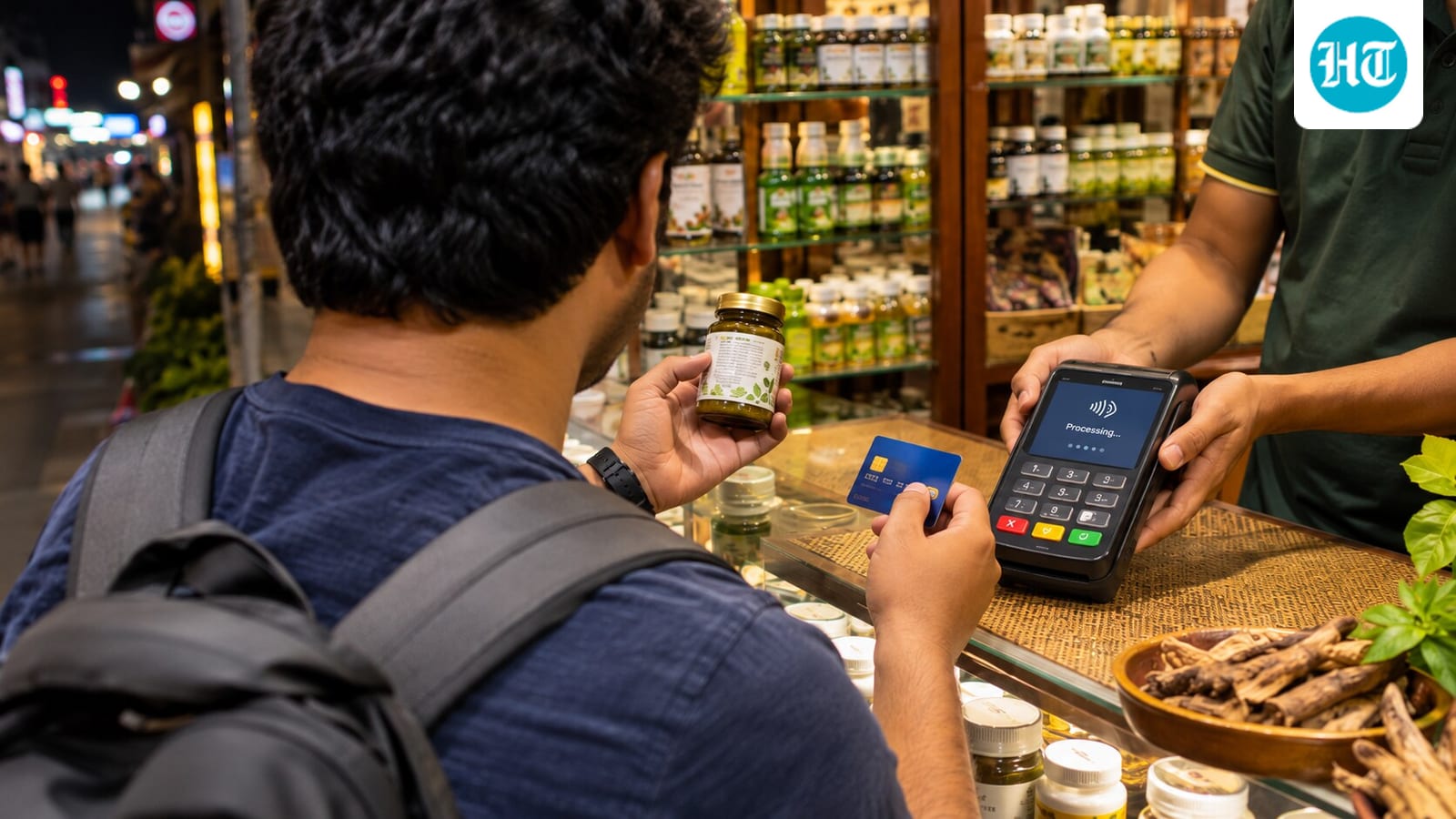
An Indian tourist in Pattaya, Thailand, was defrauded after being charged over ₹75,000 for a herbal product initially priced at ₹1,000. The victim has filed a formal police complaint, highlighting a growing trend of tourist-targeted financial scams in the region.
Anatomy of a Tourist Scam in Pattaya
The Incident
A 28-year-old Indian tourist recently became the victim of a sophisticated financial scam while visiting the popular coastal city of Pattaya, Thailand. The individual, who had agreed to purchase a herbal product for a nominal price of 380 Thai baht (approximately ₹1,000), discovered upon checking his financial statements that he had been billed 27,600 Thai baht, totaling over ₹75,000. This stark discrepancy between the agreed-upon price and the final credit card charge prompted the victim to file a formal complaint with the Pattaya City Police.
Patterns of Deception
This incident is not an isolated occurrence but rather part of a troubling pattern of behavior targeting international visitors in Thailand. Reports indicate that similar complaints involving the sale of overpriced herbal goods have surfaced frequently in recent months. The modus operandi typically involves bait-and-switch tactics, where the perceived value or cost of an item is misrepresented at the point of sale, only for the final transaction to be processed at an exponentially higher rate, often exploiting the trust of tourists who may be unfamiliar with local currency or payment terminal interfaces.
The Role of Financial Vulnerability
Credit card fraud remains a significant concern for global travelers. In this specific case, the ease with which a transaction can be inflated suggests a lack of transparency in the payment process. When tourists are presented with electronic terminals, they may inadvertently authorize higher amounts due to language barriers, confusion regarding exchange rates, or deliberate manipulation by the merchant. This highlights the critical need for travelers to exercise heightened vigilance when using digital payment methods in high-traffic tourist destinations.
Broader Implications for Tourism
Thailand remains one of the most popular destinations for Indian travelers, yet these types of consumer protection issues can severely damage the reputation of local tourism hubs. When visitors feel unsafe or exploited, the long-term impact on the tourism industry—a vital component of the Thai economy—can be significant. Local authorities in Pattaya are currently under pressure to address these recurring complaints to maintain the city's status as a secure and welcoming destination.
Future Trends and Preventive Measures
As digital payments become the standard for international travel, the risk of financial exploitation is likely to evolve. To mitigate such risks, travelers should prioritize using reputable vendors, carefully verifying transaction amounts before confirming payments, and monitoring bank alerts in real-time. Furthermore, local law enforcement must implement stricter regulations on merchant payment processing to prevent the recurrence of these predatory pricing schemes, ensuring that the tourism sector remains transparent and trustworthy for all international guests.
Verification Required?