IndiGo sees a lot of opportunities; current industry situation challenging: CEO Willie Walsh
Source Entity
India Latest News: Top National Headlines Today & Breaking News | The Hindu
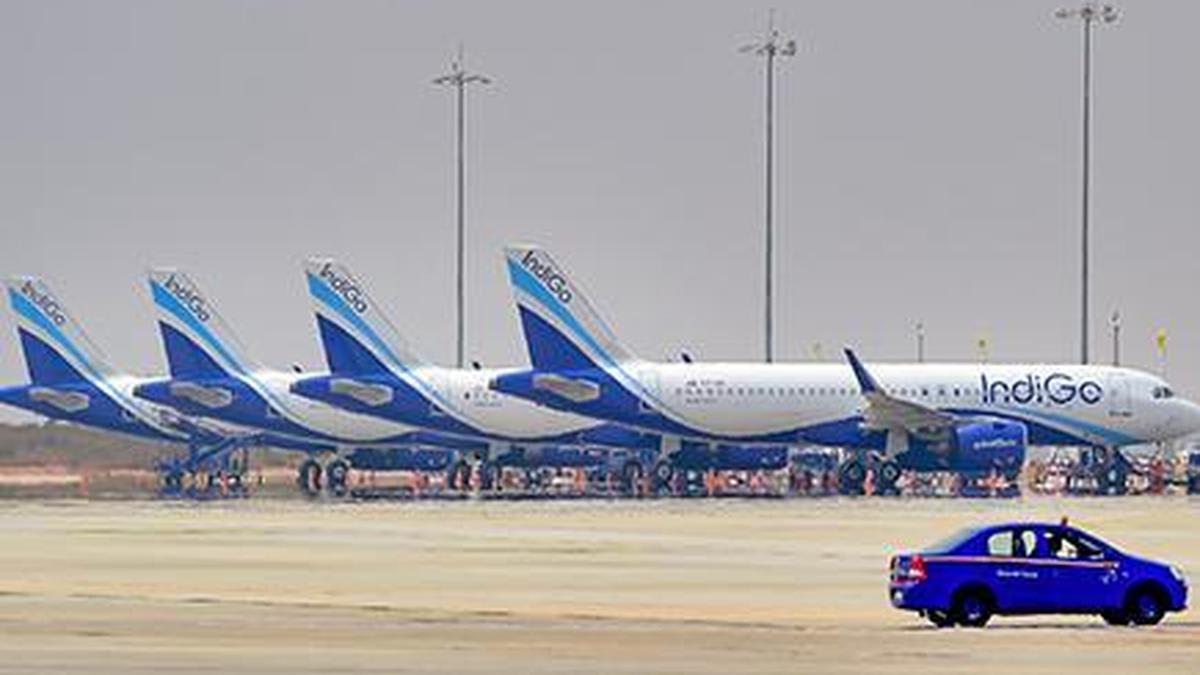
IndiGo CEO Willie Walsh confirmed the airline's shift toward premium long-haul travel with the arrival of A350 aircraft starting in 2028. Despite current financial headwinds like high fuel costs, the carrier plans to introduce lie-flat business class and premium economy seating.
IndiGo’s Strategic Pivot: Entering the Long-Haul Market
IndiGo, India’s dominant low-cost carrier, has officially signaled a major shift in its business model, moving from its traditional roots as a budget operator toward a premiumized long-haul strategy. In his first in-person briefing since assuming the role of CEO in August, Willie Walsh articulated a clear vision for the airline’s future, anchored by the acquisition of wide-body aircraft. This transition represents a significant evolution for the airline as it prepares to compete on international routes that demand higher service standards and comfort levels.
The A350 Fleet and Premiumization
A cornerstone of this expansion is the scheduled delivery of Airbus A350 twin-aisle jets, expected to begin in the second quarter of 2028. IndiGo has placed an order for 60 of these aircraft, with the first 10 units set to feature a three-class cabin configuration. This will include business, premium economy, and economy seating, marking a departure from the airline's historically single-class cabin design. Notably, the business class section will feature 16 lie-flat seats, a product aimed at capturing high-yield corporate and leisure travelers who prioritize comfort on long-haul flights.
Navigating Financial Headwinds
The strategic pivot comes at a time when the broader aviation industry faces significant volatility. CEO Willie Walsh acknowledged that the current operating environment is "challenging," primarily due to rising fuel costs and the depreciation of the Indian Rupee. These economic pressures were clearly reflected in the company's recent performance, where the airline reported a loss of ₹1,879.1 crore in the September quarter. Despite these fiscal hurdles, management remains optimistic, emphasizing the airline's focus on maintaining an "excellent cost base" to remain competitive while navigating these headwinds.
Expanding the Premium Footprint
IndiGo’s ambition for premiumization extends beyond its A350 wide-body fleet. The airline is actively deliberating whether to increase the number of business class seats across its remaining A350 order, reflecting a keen awareness of the growing demand for premium cabin experiences. Furthermore, the company is considering the introduction of lie-flat business class seats on its narrow-body Airbus A321 XLR aircraft. This move would allow IndiGo to offer a premium product on medium-haul routes, further diversifying its service offerings.
Future Outlook and Market Positioning
By betting on premiumization, IndiGo is positioning itself to capture a larger share of the lucrative international travel market. The airline's leadership believes it possesses the necessary ingredients to succeed in the long-haul sector, provided it can manage its operational costs effectively. As the aviation industry continues to recover and evolve, IndiGo's ability to balance its historic efficiency with new, higher-margin services will be the defining factor in its long-term success. The integration of wide-body operations by 2028 will undoubtedly change the competitive landscape of Indian aviation.
Verification Required?