Investors poured into Canadian ETFs right before trade talks broke down
Source Entity
Steve Goldstein
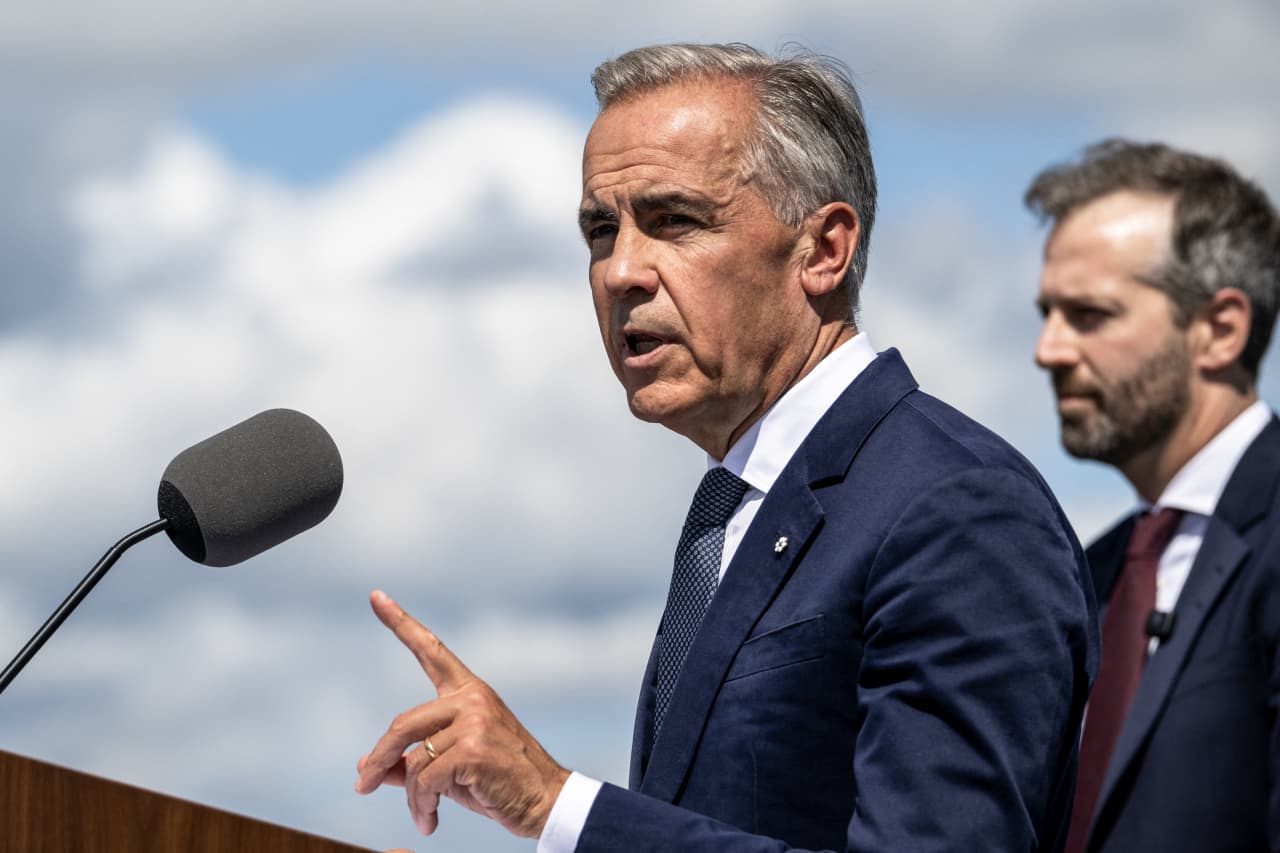
Investors recently flooded Canadian ETFs, wrongly anticipating a positive outcome in U.S.-Canadian trade negotiations. This miscalculation highlights the risks of relying on market sentiment during volatile geopolitical diplomatic talks.
Market Miscalculation: The Canadian ETF Surge
The recent influx of capital into Canadian Exchange-Traded Funds (ETFs) serves as a stark case study in the dangers of speculative trading based on perceived diplomatic momentum. Investors, seemingly optimistic about the trajectory of U.S.-Canadian trade negotiations, aggressively increased their positions in these financial instruments, banking on a favorable resolution to the ongoing trade discussions.
The Failure of Sentiment Analysis
Market participants often attempt to interpret the 'mood music' of international relations to gain a competitive edge. In this instance, the prevailing sentiment was one of cautious optimism, leading investors to believe that a breakthrough in trade talks was imminent. However, this interpretation proved to be profoundly inaccurate, as the negotiations subsequently broke down, leaving those who had piled into these assets exposed to sudden market corrections.
Geopolitical Volatility and Risk
Trade negotiations between major economic partners like the U.S. and Canada are inherently complex, often involving deep-seated disagreements on supply chains, tariffs, and regulatory standards. Because these talks are sensitive and prone to sudden reversals, relying on superficial signals—or 'mood music'—is a high-risk strategy. The breakdown of these talks underscores why institutional and retail investors must prioritize fundamental economic data over the fluctuating optics of diplomatic encounters.
Implications for ETF Investors
ETFs are often marketed as diversified tools for broad market exposure, but they are not immune to the volatility caused by abrupt geopolitical shifts. When an entire asset class tied to a specific nation’s trade prospects experiences a massive inflow of speculative capital, it creates a 'crowded trade' scenario. When the underlying narrative—in this case, trade cooperation—fails to materialize, the subsequent exit of investors can lead to significant price volatility within the ETF structure itself.
Lessons for Future Market Trends
This event highlights a broader trend in global finance where algorithmic and retail traders attempt to front-run geopolitical outcomes. Moving forward, market participants are likely to face increased scrutiny regarding their reliance on diplomatic sentiment indicators. As international trade policies continue to shift toward protectionism and strategic independence, the historical correlation between trade-talk optimism and market performance may continue to decouple, necessitating more robust risk management strategies for those invested in foreign-focused ETFs.
Verification Required?