Weak Demand, China Competition: Behind Volkswagen's Plan To Cut 50,000 Jobs
Source Entity
NDTV News Search Records Found 1000
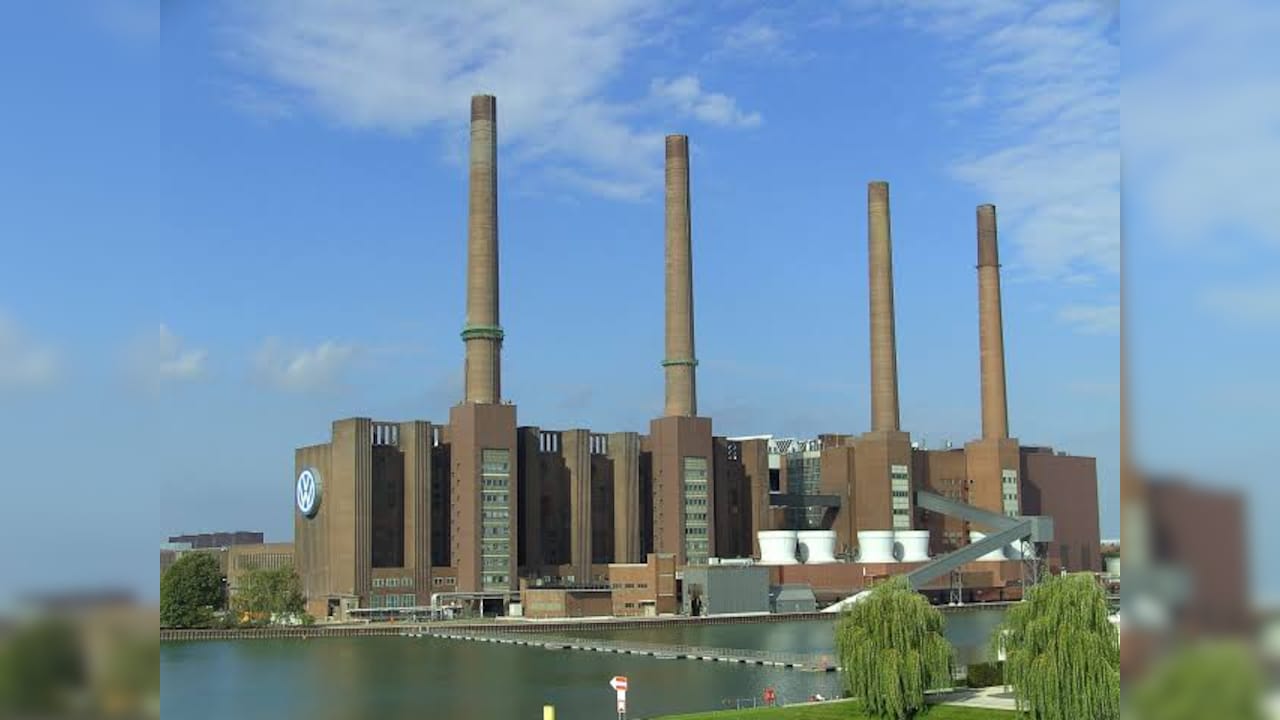
Volkswagen is initiating significant cost-cutting measures, including potential job reductions, to address weakening global demand and intense competition from Chinese automakers. This strategic shift highlights the urgent need for structural reform to remain competitive in the evolving electric vehicle landscape.
The Structural Shift at Volkswagen: A Strategic Response to Market Volatility
Volkswagen, the German automotive giant, currently finds itself at a critical juncture as it faces significant pressure to streamline operations. The move to initiate cost-cutting measures—potentially involving a reduction of 50,000 jobs—is not merely a reaction to short-term financial fluctuations but a fundamental strategic pivot. In an era where the automotive industry is undergoing a seismic shift toward electrification and digital integration, the company is struggling to maintain its historical dominance while managing an bloated cost structure.
The Impact of Weakening Global Demand
One of the primary catalysts for this restructuring is the persistent weakness in demand across key markets. Economic headwinds, including inflationary pressures and shifting consumer preferences, have hindered the traditional sales trajectories that Volkswagen has relied upon for decades. As potential buyers remain cautious, the company’s revenue streams have tightened, necessitating a rigorous audit of operational expenses and workforce efficiency to preserve margins.
The Rise of Chinese Competition
Perhaps the most significant external threat to Volkswagen’s market share is the rapid ascent of Chinese automakers. Companies based in China have effectively leveraged government support, technological innovation, and aggressive pricing strategies to capture significant segments of both the domestic Chinese market and, increasingly, international markets. This competition has eroded Volkswagen’s traditional competitive advantage, leaving the manufacturer with little choice but to reform its internal cost profile to match the leaner, more agile business models of its rivals.
Challenges in the Electric Vehicle Transition
Volkswagen’s effort to cut costs is inextricably linked to the high capital expenditure required for the transition to electric vehicles (EVs). Competing against Chinese brands that have mastered EV battery production and software integration requires immense investment. By reducing its workforce and streamlining production, Volkswagen aims to free up the capital necessary to accelerate its own EV development cycle, ensuring it does not fall further behind in the race for future mobility dominance.
Future Outlook and Industry Implications
Looking ahead, the success of Volkswagen’s cost-cutting strategy will depend on its ability to balance immediate financial stability with long-term innovation. If the company fails to successfully navigate this transition, it risks losing its status as a global automotive leader. The outcome of these labor negotiations and operational changes will serve as a bellwether for traditional legacy automakers worldwide, who are all currently grappling with the same pressures of digitization and global competition.
Conclusion
The proposed reduction in workforce is a sobering reminder of the challenges facing legacy manufacturing in the 21st century. By addressing the dual pressures of stagnant demand and fierce international competition, Volkswagen is attempting to secure its future. The coming years will be decisive, as the company seeks to transform itself from a traditional industrial titan into a modern, tech-forward mobility provider capable of weathering the volatility of the global economy.
Verification Required?