‘Want to try your luck again?’ Iran dares Trump, Netanyahu to ‘finish the job’
Source Entity
PRIYANKA JAISWAL
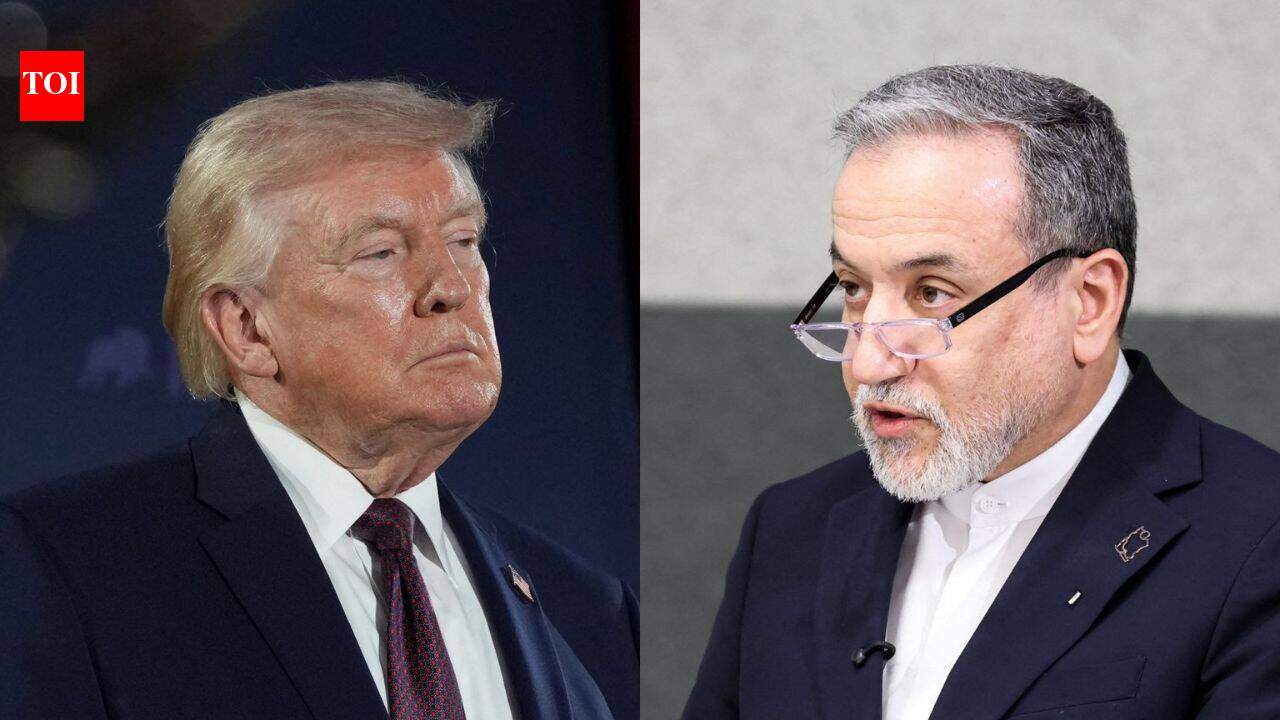
Iranian Foreign Minister Abbas Araghchi has challenged Donald Trump and Benjamin Netanyahu to 'finish the job' amid escalating regional tensions. This defiant rhetoric serves as a direct warning against a return to the 'maximum pressure' policies of the previous Trump administration.
The Escalating Rhetoric Between Tehran and Washington
Iranian Foreign Minister Abbas Araghchi has issued a provocative challenge to U.S. President-elect Donald Trump and Israeli Prime Minister Benjamin Netanyahu, asking, 'Want to try your luck again?' This statement, delivered as a direct warning, highlights the deepening hostility between Tehran and the incoming U.S. administration. The rhetoric signals that Iran is preparing for a potential return to the aggressive diplomatic and economic posturing that characterized the previous Trump term.
The Shadow of 'Maximum Pressure'
The reference to trying their 'luck again' is a clear allusion to the 'maximum pressure' campaign initiated by Donald Trump during his first presidency. This policy involved the U.S. withdrawal from the Joint Comprehensive Plan of Action (JCPOA) and the re-imposition of heavy economic sanctions aimed at crippling Iran's economy and curbing its regional influence. By issuing this dare, Araghchi is asserting that previous attempts to force Tehran into submission through economic isolation and brinkmanship have failed to achieve their stated objectives.
Strategic Defiance in a Volatile Region
Araghchi’s challenge to 'finish the job' serves as both a taunt and a strategic signal. It suggests that Iran perceives the combined pressure from the United States and Israel as an ineffective tool, while simultaneously framing the Islamic Republic as an immovable object in Middle Eastern geopolitics. The inclusion of Benjamin Netanyahu in this narrative underscores Iran's view of the U.S.-Israel alliance as a singular front, one that seeks to undermine Iranian security interests through military and diplomatic pressure.
Historical Context and Current Realities
The current state of affairs is deeply rooted in years of proxy conflicts and clandestine operations. Iran has consistently maintained that its regional network of alliances—often described by Western intelligence as the 'Axis of Resistance'—is a necessary defensive shield. By daring the U.S. and Israel to 'finish the job,' Tehran is likely attempting to project strength to its domestic audience and regional proxies, signaling that it is not intimidated by the prospect of a more hawkish U.S. foreign policy under the incoming administration.
Future Trends and Geopolitical Implications
Looking ahead, this exchange sets a combative tone for the coming months. If the U.S. opts to return to a policy of containment or renewed sanctions, the likelihood of direct or indirect friction between Iranian and Western forces will increase significantly. The international community remains concerned that such inflammatory rhetoric, combined with the lack of active diplomatic channels, could lead to miscalculations, increasing the risk of an unintended escalation in a region already defined by high-stakes power plays.
Conclusion
In summary, the warning from Abbas Araghchi is a pivotal moment that encapsulates the current impasse between Iran and the U.S.-Israel bloc. By framing the potential return of Trump’s policies as a failed experiment, Iran is attempting to shift the narrative from one of vulnerability to one of defiant resilience. As the geopolitical landscape shifts, the world will be watching to see if these words translate into a hardening of regional security policies or if they are merely a precursor to a new cycle of brinkmanship.