'Whoever kills Trump ...': Iran-backed Iraqi militia puts $10m bounty on US prez
Source Entity
TOI WORLD DESK
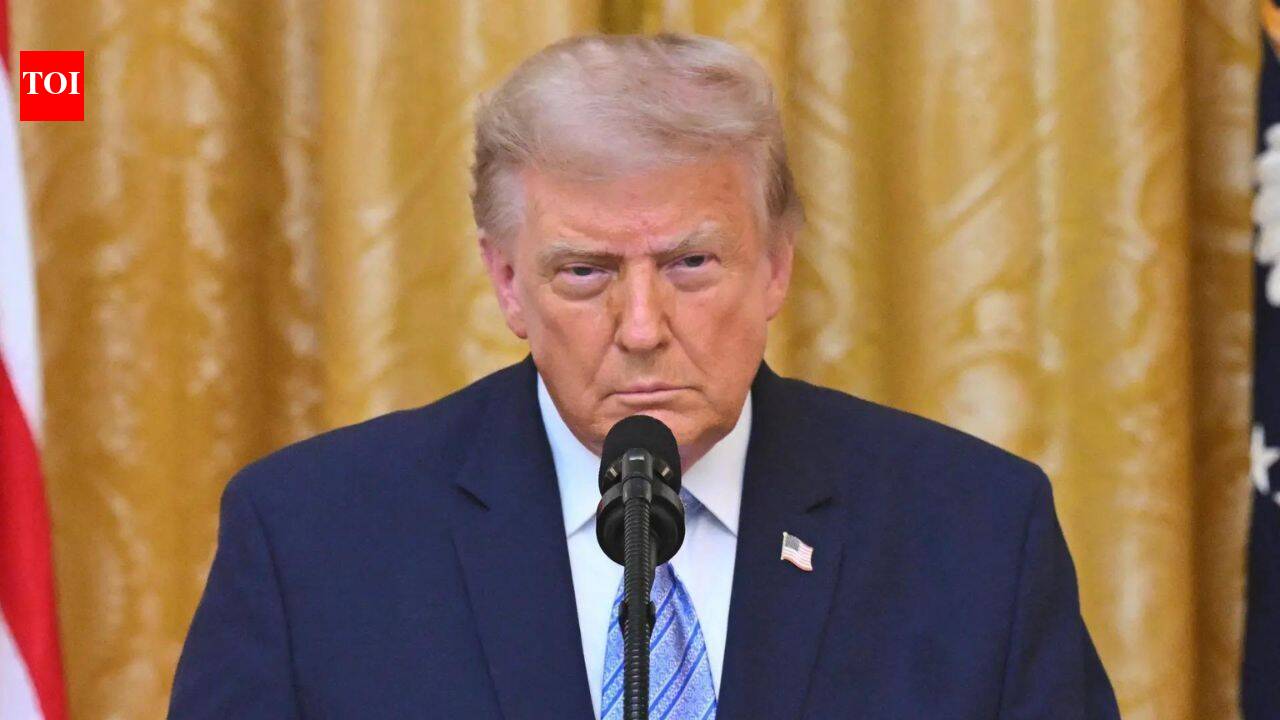
An Iran-backed Iraqi militia has reportedly placed a $10 million bounty on Donald Trump's life. The group claims this act is retaliation for the killing of two senior resistance commanders.
The Escalation of Hostilities: A $10 Million Bounty
Recent reports indicate that an umbrella group of Iran-backed Iraqi militias, identified as the Islamic Resistance in Iraq, has issued a $10 million bounty for the assassination of U.S. President Donald Trump. This alarming development marks a significant intensification in the rhetoric and tactical threats directed at American leadership by proxy forces operating within the Middle East. The group explicitly framed this financial reward as a form of retaliation for the deaths of two senior resistance commanders, framing the act as a "curse" upon the U.S. administration.
Origins of the Threat and Financial Backing
According to information disseminated via Iran-owned Press TV, the substantial reward is reportedly funded through donations gathered from the militia's members and supporters. By institutionalizing a bounty, the group is moving beyond traditional asymmetric warfare tactics, such as drone strikes or rocket fire, into the realm of state-sponsored or proxy-sponsored political assassination incentives. This strategy aims to leverage private capital to incentivize violence against a sitting head of state, complicating the security landscape for the U.S. government.
The Geopolitical Context: Erbil and Diplomatic Tensions
These threats coincide with broader instability, highlighted by recent drone attacks near the U.S. consulate in Erbil. These incidents are particularly sensitive as they occurred shortly after a fragile ceasefire was established in April. The timing of these provocations is noteworthy, as they occurred during the week-long visit of Iraqi Prime Minister Ali al-Zaidi to Washington, where he engaged in high-level discussions with President Trump. This juxtaposition suggests that the militia seeks to undermine diplomatic efforts and embarrass the central Iraqi government while asserting its own influence.
Analyzing the Security Implications
For U.S. national security, the announcement of a bounty complicates the already volatile relationship between Washington and various Iranian-aligned factions in Iraq. The threat is not merely rhetorical; the group has specified that the reward is available to any individual, group, or institution capable of executing the act. This open-ended invitation to violence necessitates a heightened security posture for U.S. leadership and diplomatic personnel stationed in the region, as it signals a shift toward targeting the perceived architects of previous military actions against their command structure.
Historical Precedents and Strategic Trends
This development follows a historical trajectory of retaliatory actions by resistance factions following the targeted killing of high-ranking military officials. The reliance on "resistance" narratives to justify such extreme measures reflects a long-standing ideological conflict between these militias and U.S. presence in Iraq. By framing the bounty as a righteous act of vengeance, the group attempts to consolidate support among its base while challenging the sovereignty of the Iraqi state to maintain order and adhere to international diplomatic norms.
Future Outlook and Regional Stability
Looking ahead, the emergence of such specific, bounty-based threats against a U.S. president suggests that regional instability is likely to persist or worsen. The intersection of local militia agendas with broader Iranian regional interests creates a dangerous environment where diplomatic breakthroughs are constantly threatened by proxy violence. As both the U.S. and the Iraqi government navigate these challenges, the ability to mitigate these threats will depend on reinforcing security protocols and managing the delicate balance of power between official state forces and non-state actors operating within Iraq.
Multiple Citing Sources