Bahrain Sounds Alarm For Residents As 6 Iran Drones Attack US Base
Source Entity
NDTV News Search Records Found 1000
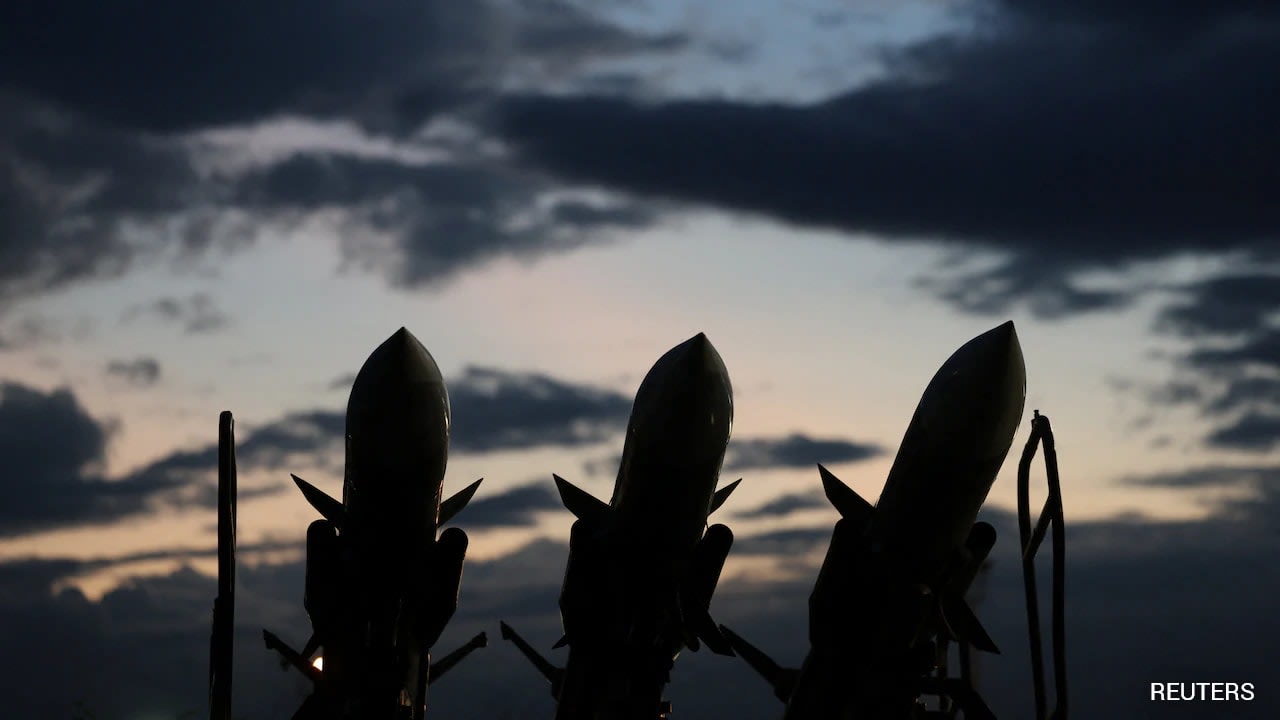
Iran has launched a series of drone attacks against the al-Riffa air base in Bahrain, home to the U.S. Fifth Fleet. These escalations, occurring twice in three days, underscore the deepening regional standoff over control of the Strait of Hormuz.
Escalating Tensions: Iran Targets Bahraini Infrastructure
The geopolitical landscape in the Persian Gulf has shifted dramatically following a series of drone strikes launched by Iran’s Islamic Revolutionary Guard Corps (IRGC) against Bahrain. The Sunday morning attack, which targeted radar positions at the al-Riffa air base, marks the second such offensive in just three days. These incidents represent a significant escalation in the ongoing regional conflict, bringing the threat of kinetic warfare directly to the doorstep of a key U.S. military partner.
Strategic Significance of the Al-Riffa Air Base
Bahrain holds a critical position in global security as the host of the U.S. Navy’s Fifth Fleet. By specifically targeting the radar facilities at the al-Riffa air base with six drones, the IRGC has signaled a clear intent to degrade the defensive capabilities that protect this vital naval hub. While Bahraini military officials reported that their air defense systems successfully intercepted the drones before they could reach their objectives, the psychological and strategic impact of back-to-back attacks remains profound, forcing residents in Manama to seek shelter as sirens sounded across the capital.
The Standoff at the Strait of Hormuz
At the heart of this aggression is the intensifying struggle for control over the Strait of Hormuz. This narrow waterway is arguably the most important maritime choke point in the world, with approximately one-fifth of the global oil and gas supply passing through it. Since the outbreak of war in February, shipping through this corridor has been severely restricted. Iran’s recent actions appear to be a direct attempt to challenge U.S. and Gulf influence in the region, using drone technology to assert dominance over a waterway that Tehran insists should fall under its own jurisdiction.
Regional Instability and Diplomatic Stalemate
These attacks occur against a backdrop of stalled diplomatic negotiations aimed at ending the broader war. The stalemate has emboldened regional actors, with Iran seemingly willing to engage in direct, albeit limited, confrontation with U.S.-aligned territories. The frequency of these strikes—Friday’s initial attack being the first such incident since September—suggests that Tehran is moving away from proxy warfare toward more overt aggression to leverage its position in the ongoing conflict.
The Future of Gulf Security
Looking ahead, the security architecture of the Persian Gulf faces an uncertain future. The repeated targeting of Bahraini territory indicates a shift in the operational tactics of the IRGC, which now demonstrates a willingness to risk direct conflict with U.S. forces stationed in the region. If these attacks continue, the international community may be forced to reconsider the security protocols currently in place for the protection of maritime traffic and regional military assets. The situation remains fluid, and the inability of diplomatic channels to de-escalate the situation suggests that further skirmishes are highly probable as long as the status of the Strait of Hormuz remains contested.
Multiple Citing Sources
Verification Required?