Iran looks to ramp up economic alliance with BRICS nations as war with U.S. drags on
Source Entity
US Top News and Analysis
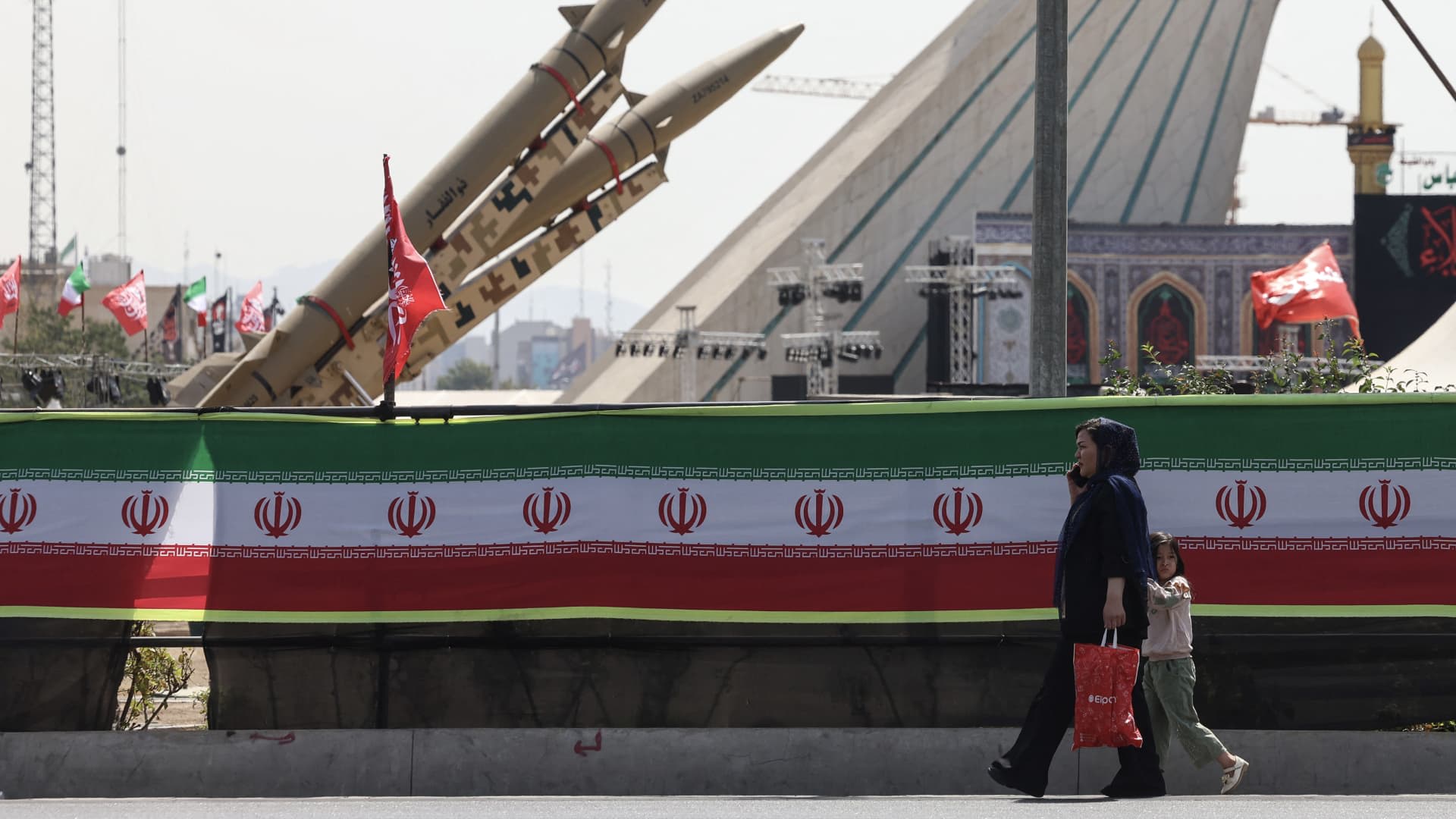
Iran is set to join the BRICS New Development Bank as it seeks to strengthen economic ties amidst ongoing conflicts. This move underscores Tehran's strategy to bypass Western isolation through expanded multilateral cooperation.
Iran Bolsters Economic Strategy via BRICS Integration
In a strategic pivot aimed at mitigating the impact of ongoing geopolitical hostilities, Iran’s central bank governor, Abdolnasser Hemmati, has confirmed that the nation is poised to join the BRICS New Development Bank (NDB). This development comes as Tehran continues to navigate a complex military and economic landscape, marked by a prolonged conflict involving the United States and Israel. By securing entry into the NDB, Iran seeks to fortify its financial infrastructure and access alternative capital streams, effectively countering the pressure exerted by Western-led economic sanctions.
The Evolution of the BRICS Alliance
To understand the significance of this move, one must examine the trajectory of the BRICS bloc. Established in 2006 by Brazil, Russia, India, and China, with South Africa’s accession in 2010, the alliance was originally envisioned as a counterweight to Western-dominated financial institutions like the World Bank and the IMF. The recent expansion, which includes Iran, Egypt, Ethiopia, Saudi Arabia, the UAE, and Indonesia, signals a shift toward a multi-polar global economy. The inclusion of diverse, resource-rich nations suggests that the bloc is rapidly evolving from a loose coalition of emerging markets into a cohesive geopolitical force.
Strategic Economic Alignment Amidst Conflict
Iran’s decision to deepen its involvement in the NDB is directly linked to its current wartime status. With the conflict against U.S. and Israeli interests now in its sixth month, the Iranian government is under immense pressure to maintain domestic economic stability. The NDB, designed to fund infrastructure and sustainable development projects, provides Iran with a vital lifeline. By aligning more closely with BRICS partners, Tehran aims to facilitate trade and financial transactions that are less susceptible to the volatility of the U.S. dollar-denominated global financial system.
The Wider Geopolitical Implications
This expansion of the BRICS alliance carries profound implications for global diplomacy. By inviting nations like Iran—and establishing partner status for countries like Belarus, Cuba, and Nigeria—the bloc is effectively creating a sphere of economic cooperation that operates independently of Western policy objectives. For Iran, this is not merely a financial transaction but a political statement. It reinforces the narrative that Tehran is not isolated, but rather integrated into a burgeoning network of non-Western powers that prioritize sovereignty and mutual economic support over traditional Western-led alignments.
Future Trends and Regional Outlook
Looking ahead, the integration of Iran into the NDB will likely accelerate the development of alternative payment mechanisms, further challenging the hegemony of the SWIFT banking system. As the conflict drags on, the strength of these ties will be tested; however, the commitment of BRICS members to expand their economic footprint suggests that the alliance will continue to court nations seeking alternatives to Western financial hegemony. Iran’s membership serves as a bellwether for how the NDB will function in the coming decade: as a critical instrument for sanctioned or diplomatically isolated nations to maintain economic continuity in an increasingly fragmented world order.