'Great Transshipment Scam': US Names India Among 40 Hubs Of China's Tariff Evasion
Source Entity
NDTV News Search Records Found 1000
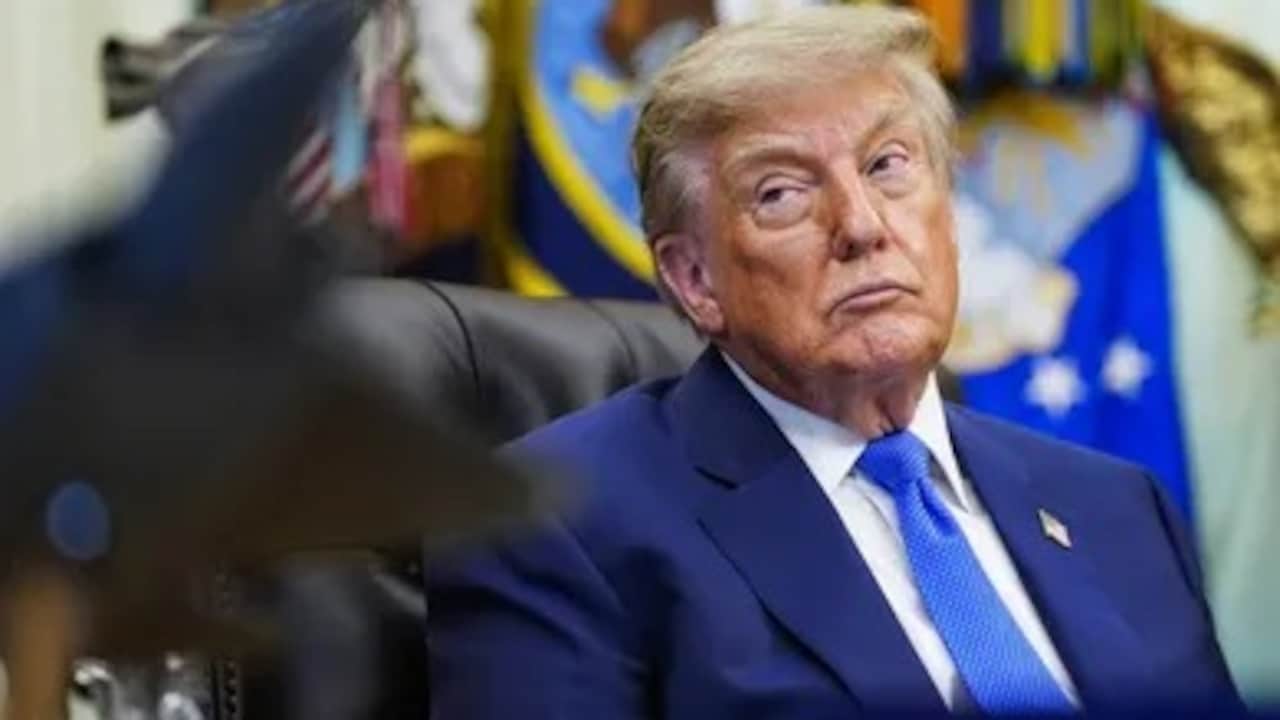
The US has identified India and over 40 other nations as hubs in a trans-shipment network used to bypass Chinese tariff barriers. The White House plans to deploy AI-driven monitoring to detect and penalize these trade practices.
The 'Great Transshipment Scam': Analyzing the US-China Trade Crackdown
The Shadow Network Allegations
The United States has officially flagged more than 40 countries, including India, as integral components of a "shadow trans-shipment network" designed to circumvent high-level American tariffs. This development, detailed in the report titled 'The Great Transshipment Scam' authored by former trade adviser Peter Navarro, posits that Chinese exporters are routing goods through third-party nations to avoid Section 301 tariffs. These tariffs, which were first implemented in 2018, were intended to address what the US government characterized as unfair trade practices, but the report suggests that the intended economic pressure has been partially mitigated by this complex web of re-exportation.
India’s Strategic Position in the Report
India has been categorized in the top-risk tier alongside other major industrial powers like Japan, South Korea, Vietnam, Taiwan, and Mexico. This classification implies that the US views these nations as significant conduits for goods that are essentially Chinese-made but labeled as originating elsewhere. By placing India in this high-risk category, the US government is signaling an increased level of scrutiny toward Indian export operations, particularly those involving goods that compete directly with US manufacturing interests or fall under protected trade categories.
Technological Enforcement and AI Integration
To combat this evasion, the White House has announced a shift toward high-tech enforcement. Officials are planning to implement sophisticated artificial intelligence monitoring systems to track global supply chains and identify anomalies in shipping patterns that suggest illicit trans-shipment. This move represents a broader shift toward proactive, data-driven trade enforcement. By leveraging AI, the US aims to shrink the margin of error in identifying goods that have been slightly modified or re-labeled to bypass the 2018 tariff structures, thereby enforcing compliance through rigorous oversight.
Implications for US-India Trade Diplomacy
The inclusion of India in this report introduces a new layer of complexity to the ongoing trade negotiations between Washington and New Delhi. While the two nations have worked to strengthen economic ties, the accusation that India is enabling Chinese tariff evasion could serve as a friction point in future bilateral trade talks. Diplomatic efforts will likely need to address these US concerns directly, as the White House has warned of potential penalties for countries that fail to curb these trans-shipment risks, potentially jeopardizing existing trade concessions.
Broadening Global Trade Impacts
The 'Great Transshipment Scam' report highlights a fundamental challenge in modern globalization: the difficulty of enforcing country-of-origin rules in a highly integrated global supply chain. As the US moves to tighten its borders against what it deems unfair Chinese trade practices, other nations in the top-risk category will likely face intensified pressure to tighten their own export controls. This creates a ripple effect where countries must balance their desire to maintain robust manufacturing exports with the need to remain compliant with US trade policies to avoid punitive sanctions.
Future Trends in Supply Chain Regulation
Looking ahead, it is highly probable that the US will continue to integrate AI into its customs and border protection protocols. This suggests a future where global trade participants will be subject to constant, automated auditing. Countries like India will likely be forced to enhance their own transparency protocols to clear their names and reassure the US of their commitment to fair trade. The tension between the need for efficient global logistics and the desire for national economic protectionism will remain a defining feature of the international trade landscape for the foreseeable future.
Verification Required?