Sniper, knife, missile threats: Israel warned US of alleged Iran plot to assassinate Trump
Source Entity
TOI WORLD DESK
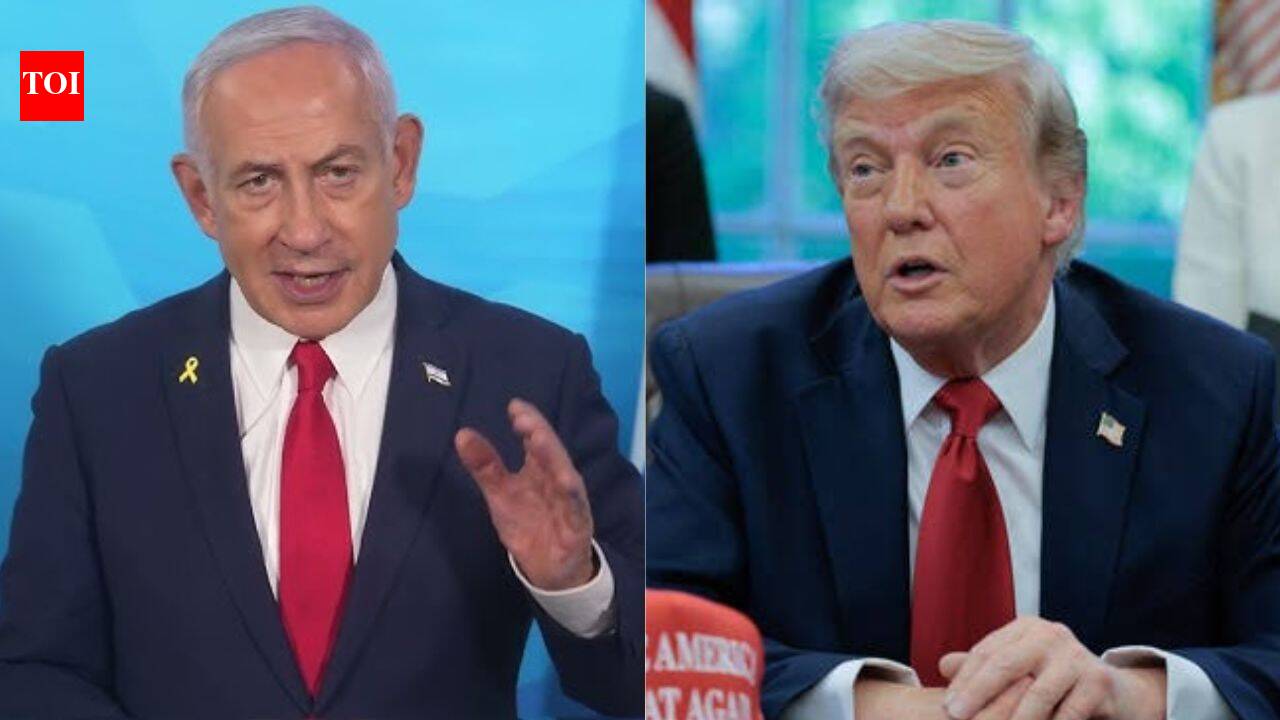
U.S. intelligence officials were unable to verify multiple warnings from Israel regarding alleged Iranian plots to assassinate President Donald Trump. Despite reports of threats involving snipers, knives, and missiles, U.S. agencies expressed low confidence in the provided intelligence.
Intelligence Discrepancies and the Iran-U.S. Security Landscape
The recent reports revealing that U.S. intelligence agencies could not verify multiple Israeli warnings regarding alleged Iranian plots to assassinate President Donald Trump highlight a significant friction point in international intelligence sharing. According to current and former U.S. officials, these warnings—which surfaced repeatedly over the past year—suggested a range of lethal methods, including sniper fire, knife attacks, and the use of shoulder-launched missiles. The inability of U.S. agencies, including the CIA, to corroborate these claims underscores the complexities inherent in verifying high-stakes intelligence originating from foreign partners during periods of intense geopolitical volatility.
The Nature of the Alleged Threats
The warnings provided by Israel were reportedly detailed, covering various tactical scenarios intended to compromise the security of the President. These alerts intensified during critical windows, specifically leading up to the 12-day war in June 2025 and the subsequent U.S. decision to initiate conflict with Iran in February. The specificity of these threats—ranging from conventional weaponry to unconventional, close-proximity attacks—placed immense pressure on the U.S. protective detail and intelligence apparatus. However, the lack of corroborating evidence, even in instances where foreign nations like Turkey were involved in security logistics, suggests a potential gap between intelligence gathering and actionable verification.
Intelligence-Sharing Tensions
This incident brings to light the underlying tensions within the U.S. administration regarding the reliability of intelligence provided by external allies. While Israel and the United States maintain a robust intelligence-sharing partnership, the "low confidence" assessment by U.S. agencies indicates a rigorous vetting process that prioritizes independent verification over reliance on external tips. This cautious approach is essential for preventing policy decisions from being influenced by potentially flawed or politically motivated intelligence, especially during times of declared war.
Historical Context and Geopolitical Implications
The context of these warnings is inseparable from the broader historical tensions between Washington and Tehran. Following the U.S. military engagement in Iran in early 2025, the threat landscape shifted significantly. The timing of the warnings suggests that both the U.S. and Israel were operating under the assumption of heightened risk. However, when intelligence reports are not substantiated, it creates a difficult dynamic for policymakers, who must balance the duty to protect the head of state with the necessity of maintaining credible, evidence-based threat assessments.
Future Trends in Intelligence Verification
Looking forward, this event is likely to influence how U.S. agencies handle intelligence passed from foreign partners. We can expect a continued emphasis on 'multi-source' verification, where the U.S. will likely invest further in its own independent intelligence gathering to avoid over-reliance on single-source warnings. As global conflicts become more intertwined with cyber-warfare and covert operations, the ability to discern legitimate threats from disinformation will remain a primary challenge for intelligence communities worldwide.
Conclusion
Ultimately, the inability of the U.S. to verify these alleged Iranian plots does not necessarily mean the threats were non-existent, but it serves as a reminder of the limitations of intelligence in a complex, multi-polar world. The situation highlights the necessity for transparency and rigorous scrutiny in national security, ensuring that the response to such threats remains grounded in verifiable facts rather than speculative warnings.