How India’s nilgai became an ecological concern thousands of kilometres away in Texas
Source Entity
The Indian Express
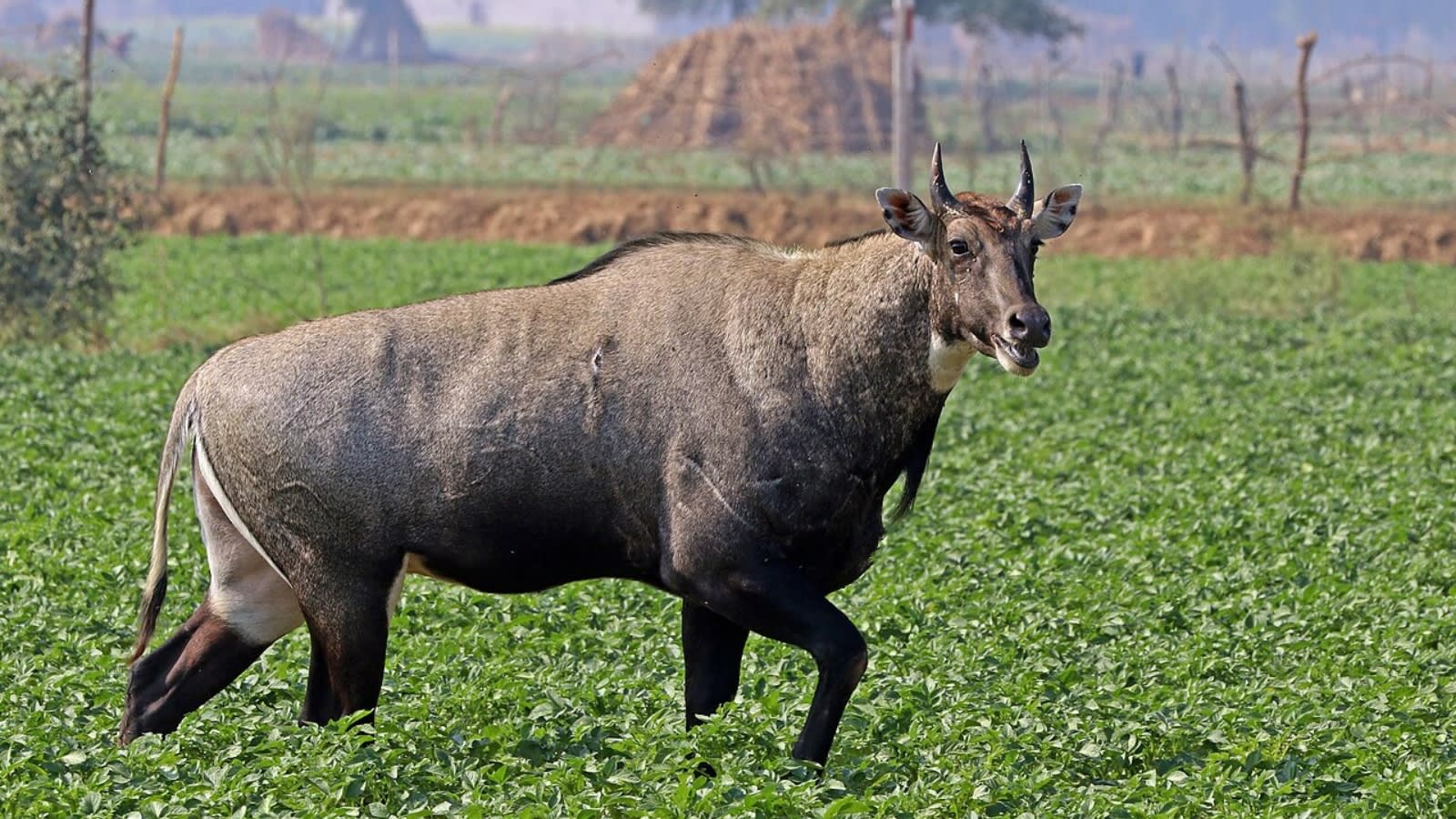
The introduction of Indian nilgai to Texas nearly a century ago has resulted in an invasive population that now threatens local ecology. These antelopes pose significant risks to cattle producers by acting as vectors for tick-borne diseases.
The Unintended Consequences of Transcontinental Introduction
The nilgai (Boselaphus tragocamelus), recognized as the largest antelope species native to the Indian subcontinent, has transcended its traditional ecological role. While the species is a stable and familiar component of India’s biodiversity, its presence in Texas—thousands of miles from its origin—has evolved into a complex environmental challenge. Introduced nearly a century ago, these animals have successfully established feral populations, thriving in a landscape that offers few natural checks on their growth.
Ecological Adaptation and Expansion
The successful colonization of the Texan landscape by the nilgai highlights a remarkable, yet disruptive, level of biological adaptability. By finding a habitat that sufficiently mirrors their ecological requirements, the nilgai have managed to proliferate beyond their original containment areas. This expansion serves as a textbook example of how a non-native species can exploit a new environment, leading to a shift in local ecosystem dynamics as the animals compete for resources and alter the natural landscape.
Agricultural and Economic Implications
Beyond the immediate ecological footprint, the feral nilgai population presents a tangible threat to the agricultural sector in Texas. The report highlights that their wide-ranging movements allow them to interact frequently with domestic livestock. This proximity is particularly concerning for cattle producers, as the nilgai serve as hosts for ticks that carry pathogens. The potential for disease transmission poses a significant financial and operational risk to the livestock industry, necessitating ongoing management strategies.
The Broader Context of Invasive Species
Wildlife photographer and environmentalist Indrajit Ghorpade emphasizes that this situation must be analyzed through the lens of invasive species management. The Texas case study illustrates the profound, often irreversible, disruption caused when fauna are relocated outside their natural historical range. Such introductions frequently ignore the delicate balance of predator-prey relationships and pathogen cycles that evolved over millennia in the species' native geography.
Predicting Future Trends
As climate patterns shift and human-wildlife interfaces become more complex, the management of invasive nilgai will likely require more sophisticated intervention strategies. Future efforts will likely focus on mitigating the spread of tick-borne pathogens and implementing population control measures to protect both biodiversity and economic interests. This situation underscores the critical need for strict biosecurity and wildlife management policies regarding the movement of exotic species across international borders.
Conclusion
The case of the Indian nilgai in Texas is a sobering reminder of the long-term environmental consequences of animal introduction. What began as an experimental or aesthetic introduction nearly a century ago has matured into a multi-faceted concern involving ecological displacement and agricultural vulnerability. Addressing this issue requires a commitment to understanding the complexities of invasive species and the vital importance of maintaining natural ecological boundaries.