Iran’s new war script revealed: Mojtaba vows US won’t decide when there is war or peace in the Gulf
Source Entity
Latest News: Todays Latest News Headlines from India & World | Hindustan Times | Hindustan Times
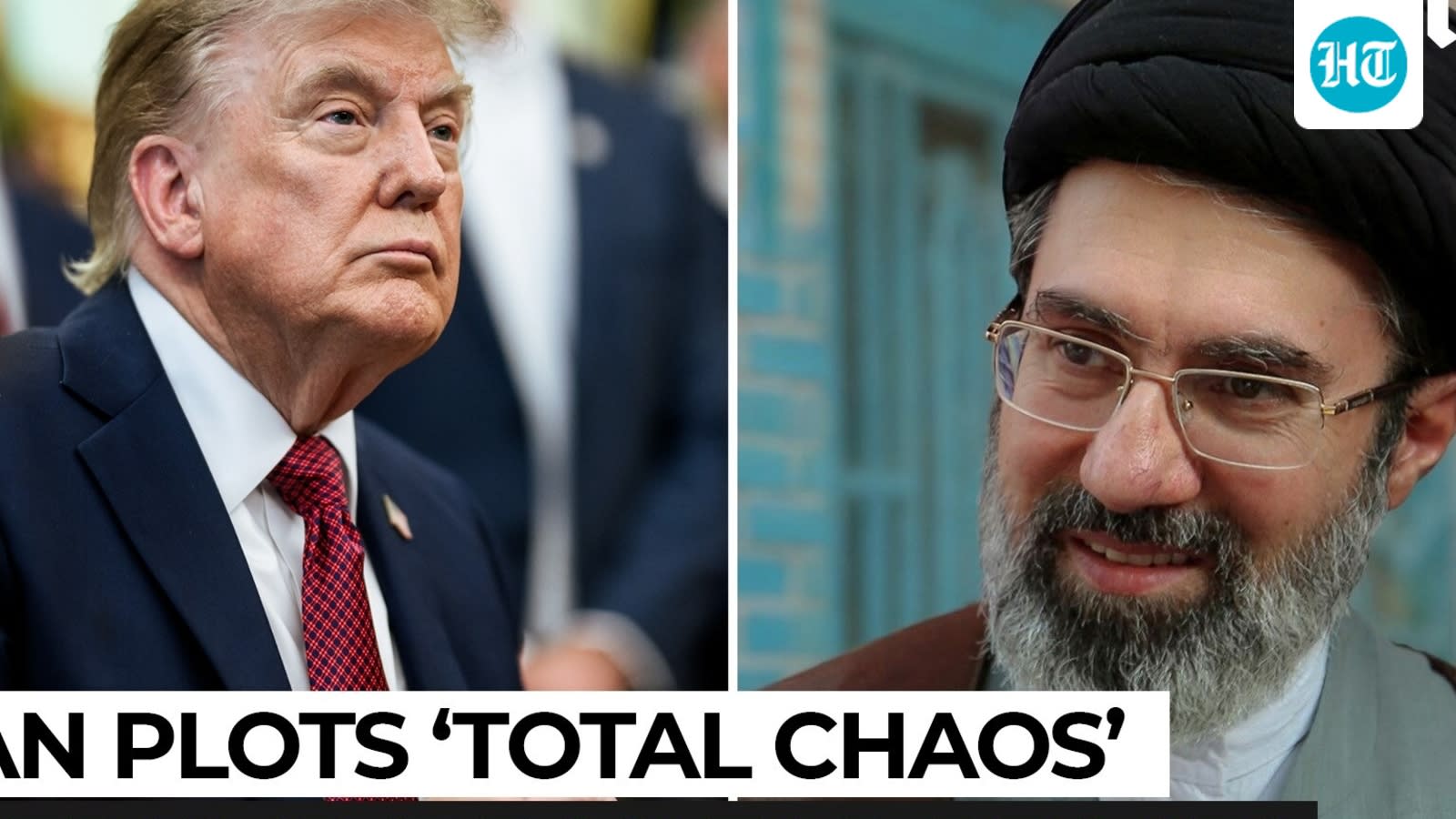
Iran has rejected fresh negotiations with the U.S., signaling an 'offensive phase' while accusing neighboring Gulf states of complicity in recent military strikes. As Donald Trump pauses military action to allow for diplomacy, the standoff over the Strait of Hormuz remains at a critical impasse.
The Shifting Sands: Iran’s New Strategic Stance
Recent developments in the Persian Gulf signal a fundamental shift in Tehran’s regional posture. By categorically ruling out fresh negotiations with the United States, Iranian leadership, under the guidance of figures like Mojtaba, has adopted a defiant narrative: that Washington no longer holds the prerogative to dictate the timing of war or peace in the region. This assertion marks a departure from traditional diplomatic posturing, suggesting that Iran is preparing for an "offensive phase" despite a temporary cessation of American kinetic military operations.
The Strait of Hormuz: A Strategic Chokepoint
At the heart of this escalating tension remains the Strait of Hormuz, a critical global artery for energy transit. The standoff is not merely a bilateral dispute between Tehran and Washington but a geopolitical struggle for control over regional security architecture. Iran's insistence that it dictates the timing of conflict serves as a warning to international powers that any attempt to enforce stability through external pressure may be met with unpredictable, asymmetric responses.
Allegations Against Regional Neighbors
Compounding the complexity of this standoff are the accusations leveled by Foreign Ministry spokesman Esmaeil Baghaei. Tehran has explicitly alleged that neighboring Gulf states have facilitated military operations against Iran by allowing their territory to be used by U.S. forces. By labeling these neighbors as 'enemies,' Iran is effectively expanding the theater of conflict, signaling that any nation supporting U.S. strikes may become a legitimate target, thereby complicating the security landscape for the entire Arabian Peninsula.
The Diplomacy-Deterrence Paradox
Donald Trump’s decision to pause U.S. strikes represents a calculated gamble, intended to create a window for indirect diplomacy via mediators like Oman. However, this 'wait-and-see' approach is fraught with peril. While the U.S. views the pause as a necessary space for de-escalation, Tehran interprets the lull as a tactical opportunity to recalibrate its offensive capabilities. The warning that military action will resume if negotiations fail highlights the precarious nature of this standoff.
Future Implications and Regional Stability
Looking ahead, the trajectory of this conflict depends on whether indirect channels can bridge the massive gap between Tehran’s newfound defiance and Washington’s demand for containment. The threat of an 'offensive phase' suggests that the risk of miscalculation is at an all-time high. If diplomacy fails to produce tangible results, the region could witness a rapid transition from a cold standoff to a broader, more kinetic conflict that threatens the stability of global energy markets and regional sovereignty.
Conclusion
The current situation in the Gulf is defined by a deep-seated distrust and a clash of strategic doctrines. With Iran signaling a move away from the negotiating table and the U.S. maintaining a conditional military posture, the path forward remains narrow. The involvement of regional neighbors in these accusations further complicates the situation, suggesting that the conflict is moving toward a multi-front struggle where the lines between diplomacy and total confrontation are increasingly blurred.
Verification Required?