On the front line of Ecuador's drugs war, police fight gangs, guns and corruption
Source Entity
BBC News
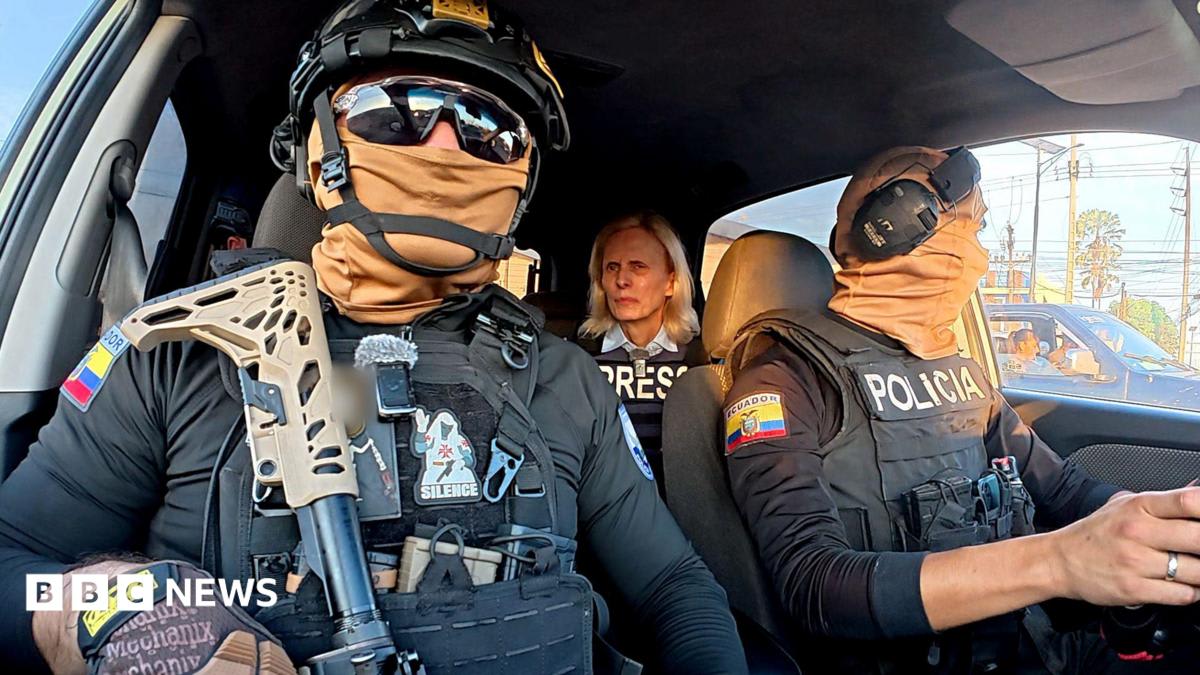
Ecuador is facing a severe surge in drug-related crime, with police struggling against well-funded gangs. Despite small tactical victories like weapon seizures, authorities remain outmatched by the superior resources of criminal organizations.
The Escalating Crisis in Ecuador
Ecuador is currently grappling with an unprecedented surge in drug-related violence that has placed its law enforcement agencies on the front lines of a volatile conflict. As police forces conduct high-risk raids on suspected criminal hideouts, the reality of the nation's security landscape is becoming increasingly dire. The recent discovery of handguns and assault rifle ammunition in an abandoned building serves as a microcosm of the daily struggle faced by officers who must navigate a landscape where criminals are increasingly emboldened and better equipped than the state itself.
Tactical Challenges and Asymmetric Warfare
The tactical reality for Ecuadorian police involves high-stakes operations, such as breaching fortified or abandoned properties where gangs store weaponry. By utilizing specialized equipment like battering rams and maintaining tight tactical formations, officers attempt to neutralize threats before they escalate. However, the recovery of two handguns—one functional and one degraded—is merely a drop in the ocean. This underscores the asymmetric nature of the conflict: while the police achieve small, tactical victories, they are fighting a war of attrition against an adversary that possesses vastly superior financial resources.
The Human Cost of Policing
Beyond the tactical logistics, there is a profound human element to this crisis. Officers are operating under extreme psychological and physical duress, often losing close colleagues in the line of duty. The admission by a captain that he has lost his fear, even as his family remains deeply concerned, highlights the normalization of violence among those tasked with maintaining order. This personal toll is a critical factor in the morale of the police force and reflects the pervasive atmosphere of danger that defines modern Ecuadorian law enforcement.
Corruption and the Power Balance
The disparity between state resources and gang capabilities is a central theme in the current crisis. The acknowledgement that gangs have "much more money than the state" points toward systemic issues, including corruption and the infiltration of criminal wealth into various sectors of society. This imbalance makes it exceptionally difficult for law enforcement to gain significant ground, as every weapon seized is quickly replaced by a criminal apparatus that operates with near-impunity due to its immense financial backing.
Future Implications and Outlook
Looking ahead, the situation in Ecuador suggests that without a fundamental shift in how the state addresses the funding and organizational structure of these gangs, the violence will likely persist. The "war of attrition" mentioned by officials indicates that the current approach, while necessary for immediate safety, is not yet a sustainable solution to the broader drug crime epidemic. Future trends will likely depend on the government's ability to tackle the financial roots of gang power and the pervasive corruption that allows these criminal syndicates to outpace state intervention.