From Saudi to Kuwait, how US-Iran war is forcing Gulf states to rethink their security strategies
Source Entity
Bashir Ali Abbas
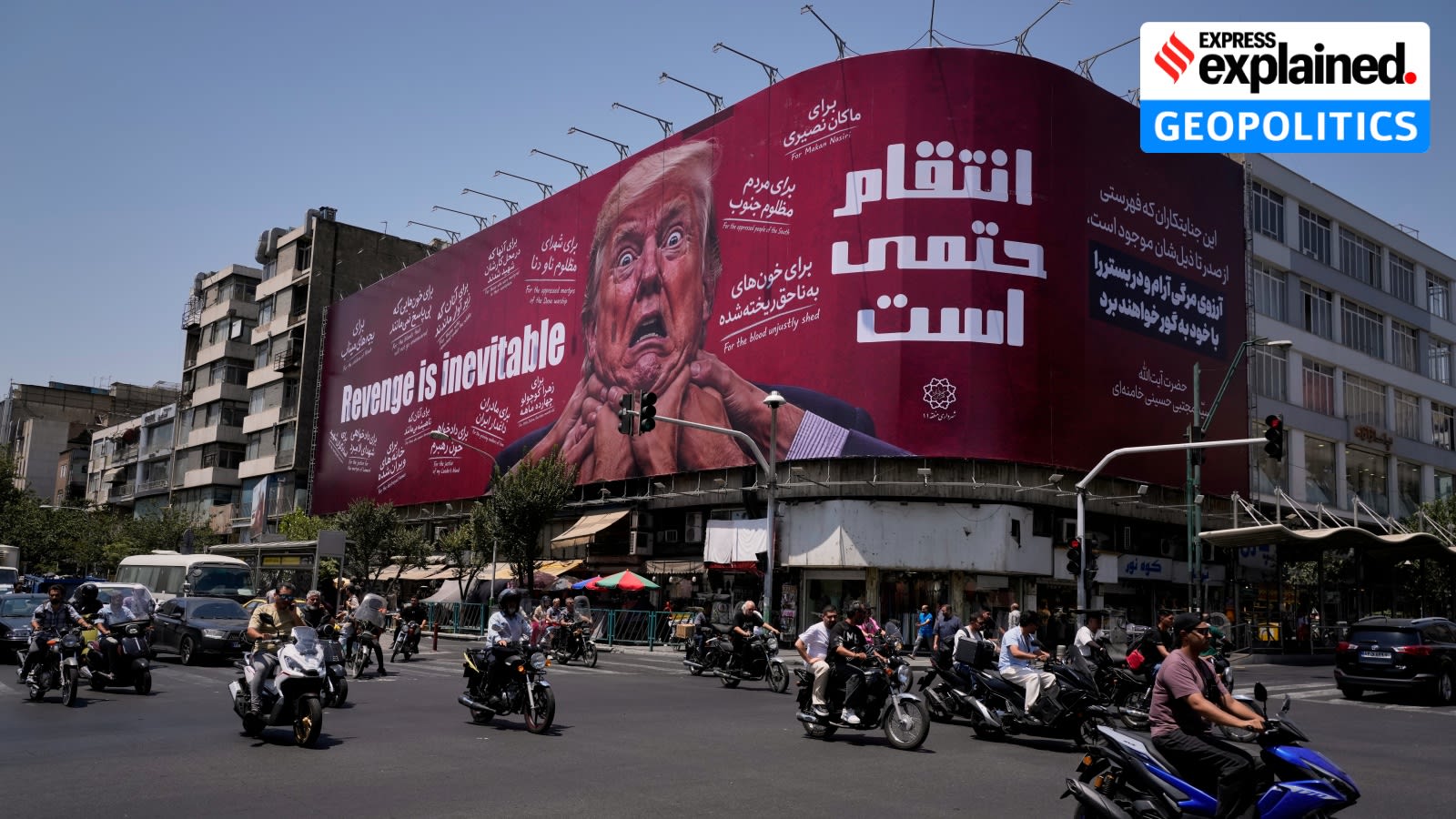
A two-week conflict between the US and Iran, involving strikes and retaliatory attacks in the Gulf, concluded on July 25. Gulf nations are now pivoting toward new security alliances with Pakistan to navigate the regional fallout.
The Strategic Reassessment of the Gulf
The recent cessation of hostilities between the United States and Iran on July 25, following 13 waves of intense military exchanges, marks a pivotal turning point for the geopolitical stability of the Persian Gulf. For nearly two weeks, the region witnessed a dangerous escalation that directly threatened global energy security, particularly through the targeting of shipping lanes in the Strait of Hormuz. The military engagement, which saw both US precision strikes and Iranian retaliatory maneuvers against Gulf Arab targets, has forced regional powers to confront the precariousness of their long-standing security architectures.
The Limits of Kinetic Engagement
The decision to halt operations came after US CENTCOM Commander Admiral Brad Cooper assessed that the bombardment campaign had reached the "limit of its effectiveness." This admission highlights a strategic reality: while US air power successfully degraded some of Iran’s anti-shipping capabilities, it failed to provide a permanent solution to the volatility in the Strait of Hormuz. The reliance on kinetic military force proved insufficient to deter Iranian asymmetric tactics, prompting a necessary pivot toward diplomatic and structural security realignments among the Gulf Cooperation Council (GCC) states.
The Rise of the Pakistan-Gulf Security Axis
In the immediate wake of the conflict, Gulf nations are aggressively diversifying their security partnerships. A notable trend is the deepening of military ties with Pakistan, a regional power with significant naval and defense capabilities. On July 26, Kuwait ratified a Defence Cooperation Agreement (DCA) with Pakistan, a five-year commitment that signals a move away from total reliance on Western security umbrellas. This was quickly followed by Qatar, which engaged in bilateral talks in Doha on July 27 to solidify its own security cooperation with Islamabad.
Implications for Regional Autonomy
These maneuvers reflect a growing desire among Gulf states to hedge against the volatility inherent in US-Iran relations. By anchoring their defense needs in partnerships with regional actors like Pakistan, countries such as Kuwait and Qatar are signaling a shift toward a more multi-aligned security policy. This strategy aims to insulate their national interests from the cyclical nature of US-Iran tensions, which have historically left regional capitals vulnerable to collateral damage and supply chain disruptions.
Future Trends and Regional Stability
The ceasefire provides a fragile breathing room for the Middle East, yet the underlying causes of the conflict remain unresolved. As the US recalibrates its presence in the region, the Gulf states are likely to continue building a network of localized defense pacts. This transition suggests a future where Gulf security is less dependent on singular superpower guarantees and more embedded in regional frameworks. The durability of these new agreements with Pakistan will be a key metric in determining whether the Gulf can successfully navigate the next era of regional power competition.