Trump says Iran war talks taking place during lull in strikes
Source Entity
BBC News
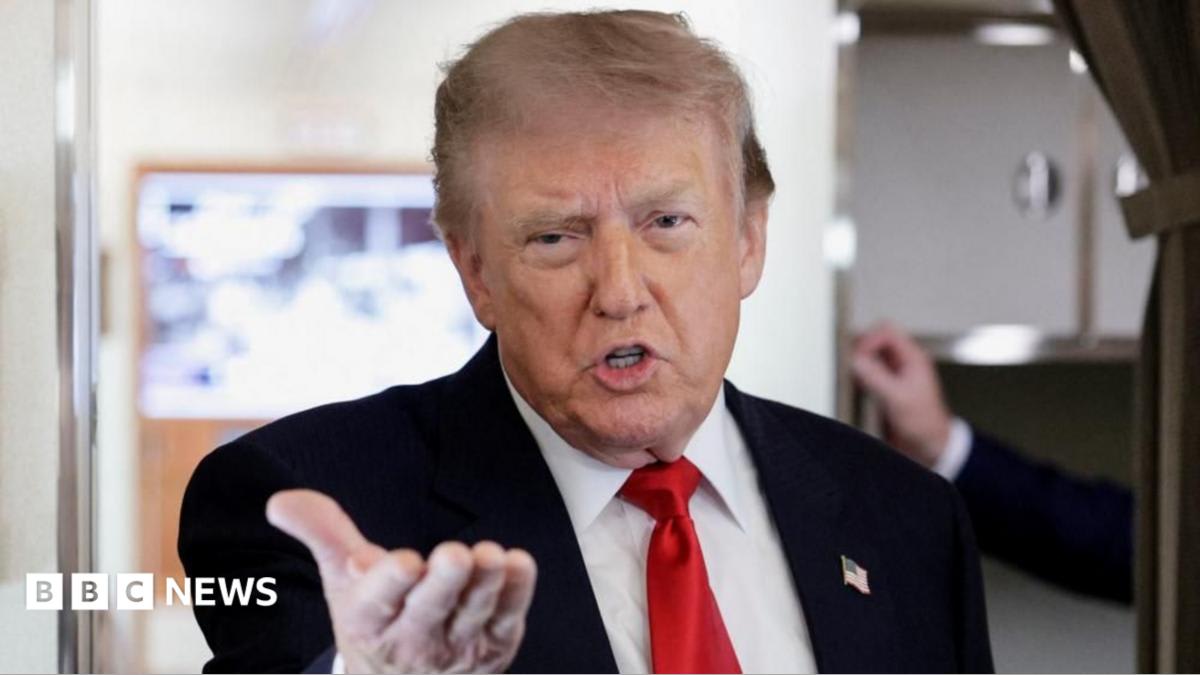
US President Donald Trump has expressed optimism regarding potential negotiations with Iran amid a three-day pause in hostilities. While Iran denies direct contact with the US, Tehran is actively engaging in regional diplomatic talks concerning the Strait of Hormuz.
The Fragile De-escalation: Analyzing the US-Iran Standoff
The current geopolitical landscape surrounding the Middle East is witnessing a precarious moment of calm. After nearly two weeks of daily military exchanges, a three-day lull in strikes has provided a window for potential diplomatic maneuvering. President Donald Trump has publicly signaled optimism, characterizing ongoing developments as "very friendly negotiations" and suggesting that there is a "good chance that something could happen" to resolve the conflict.
The Discrepancy in Diplomatic Channels
Despite President Trump’s positive outlook, a significant narrative gap exists between Washington and Tehran. While the US administration suggests that direct or indirect channels are facilitating a potential breakthrough, Iranian officials have explicitly denied that any direct negotiations with the United States are currently taking place. This divergence highlights the complexity of back-channel diplomacy, where third-party mediators often facilitate dialogue to avoid the political optics of direct engagement.
The Role of Mediators and Regional Stability
President Trump’s decision to pause US strikes on Friday was explicitly linked to requests from mediating nations, demonstrating the vital role that regional powers play in de-escalating conflicts. This pause has been reciprocated by Iran, creating a necessary space for diplomacy to function. The reliance on intermediaries underscores the lack of formal diplomatic relations between the US and Iran, a historical hurdle that necessitates reliance on trusted third parties to prevent full-scale war.
Strategic Focus on the Strait of Hormuz
While the US-Iran conflict dominates the headlines, Iran is simultaneously engaging in critical regional diplomacy. Foreign Minister Seyyed Abbas Araqchi has conducted phone calls with Saudi Arabia and Oman, focusing specifically on the Strait of Hormuz. This maritime chokepoint is of paramount global importance, and discussions regarding its security indicate that Iran is attempting to consolidate regional cooperation to mitigate the economic and military pressures currently bearing down on the nation.
Future Trends and Potential Outcomes
The future of this de-escalation remains highly uncertain. President Trump has maintained a firm stance, warning that if current diplomatic efforts fail to yield results, the United States is prepared to revert to its previous military posture. This ultimatum creates a high-stakes environment where the success of the talks is the only alternative to a return to daily strikes. As the situation evolves, the effectiveness of the regional mediation efforts—particularly those involving Saudi Arabia and Oman—will be the primary indicator of whether this lull in violence can transform into a long-term resolution or if the region is merely experiencing a temporary reprieve before further escalation.
Multiple Citing Sources