UNSC reform process cannot be held hostage by divisive interests of select few: India
Source Entity
India Latest News: Top National Headlines Today & Breaking News | The Hindu
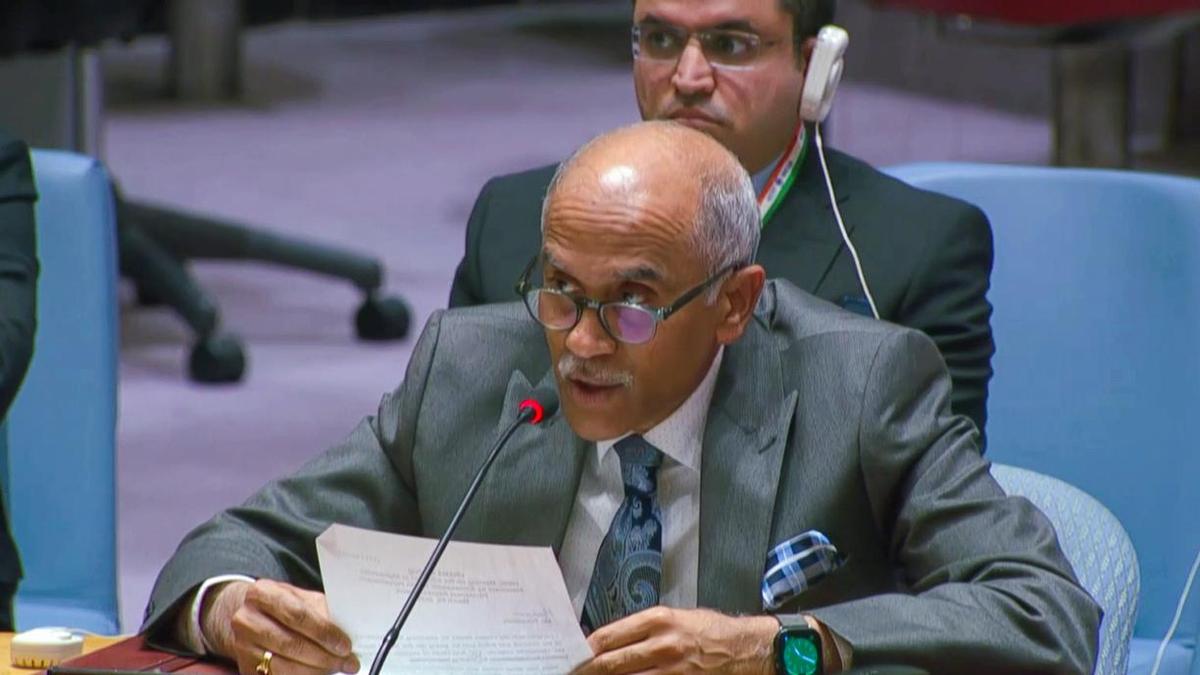
India has criticized the UN Security Council reform process for failing to produce concrete results after 17 rounds of negotiations. The General Assembly has decided to roll over the Inter-Governmental Negotiations into the 81st session, extending a deadlock that has persisted for nearly two decades.
The Stagnation of Global Governance
The United Nations Security Council (UNSC) stands at a critical juncture, yet its reform process remains trapped in a cycle of diplomatic inertia. India’s Permanent Representative to the UN, Ambassador Parvathaneni Harish, recently highlighted the failure of the 80th Inter-Governmental Negotiations (IGN) session, noting that it yielded no tangible outcomes. This critique underscores a broader frustration among nations that view the current structure of the Security Council as an archaic relic of the post-World War II era, failing to reflect the geopolitical realities of the 21st century.
The 'Rollover' Routine
The recent decision by the UN General Assembly to "roll over" the IGN process into the 81st session marks the 18th year of these discussions. This procedural move, while routine, serves as a stark reminder of the lack of progress. By opting to continue negotiations without a set end date or a concrete framework for reform, the UN effectively preserves the status quo. For nations like India, which advocates for equitable representation, this "rollover" represents a missed opportunity to address the fundamental imbalance in global power dynamics.
Divisive Interests and the Veto Power
Ambassador Harish’s assertion that the process is being "held hostage by divisive interests of a few" strikes at the heart of the deadlock. The Security Council, currently composed of five permanent members with veto power, is often paralyzed by competing national interests. These permanent members are frequently reluctant to dilute their influence by expanding the council or reforming the veto system. This systemic rigidity creates a situation where the body meant to maintain international peace and security is often unable to act decisively on pressing global conflicts.
The Case for Equitable Representation
India has long championed the cause of equitable representation, arguing that the current composition of the UNSC does not adequately represent the global South or the contemporary geopolitical landscape. With 193 member states, the UN requires a council that is more inclusive, transparent, and accountable. The failure to achieve reform means that the perspectives of emerging economies and underrepresented regions continue to be sidelined in critical decision-making processes, which in turn diminishes the perceived legitimacy of the UN itself.
Looking Toward the 81st Session
As the UN transitions into its 81st session this September, the challenge remains: how to break the cycle of "cluster debates" that simply reiterate existing positions. Without a shift in political will among the permanent members, the IGN process risks becoming a permanent feature of UN bureaucracy rather than a mechanism for actual change. Future trends suggest that unless there is a concerted effort to move beyond these repetitive discussions, the demand for reform will likely intensify, potentially leading to alternative coalitions or increased pressure outside the traditional UN framework to challenge the council's monopoly on security matters.
Verification Required?