"If US Makes Another Mistake...": Top Iran Negotiator Warns Trump
Source Entity
NDTV News Search Records Found 1000
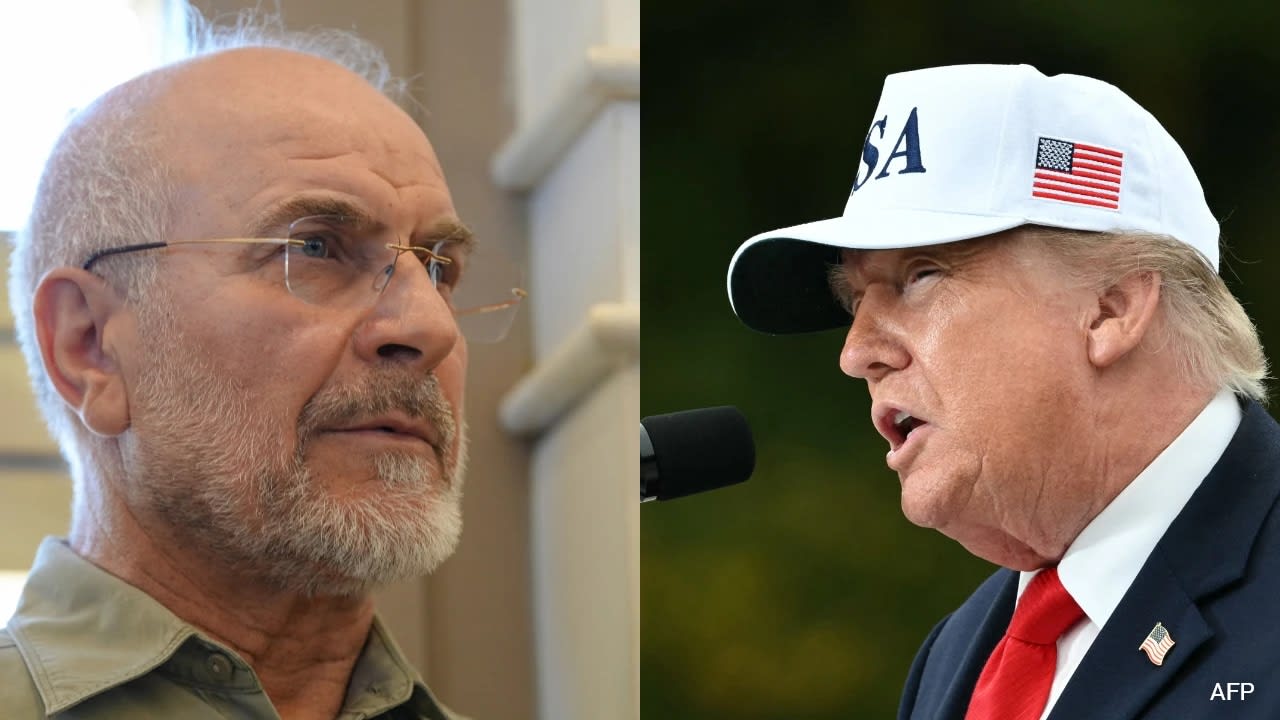
Iranian Parliament Speaker Mohammad Bagher Ghalibaf has issued a stern warning to the United States against conducting further military strikes. The statement emphasizes Iran's readiness to respond to perceived provocations, highlighting ongoing geopolitical tensions.
Tensions Escalate: Iran’s Warning to Washington
Recent reports confirm that Mohammad Bagher Ghalibaf, the Speaker of the Iranian Parliament and a top negotiator, has issued a direct and pointed warning to the United States regarding potential future military strikes. This declaration serves as a significant marker in the ongoing cycle of regional volatility, signaling that Tehran remains prepared to respond to what it characterizes as American mistakes or overreach in the Middle East.
The Geopolitical Context of the Warning
The warning from Ghalibaf is not an isolated event but rather a reflection of the deeply strained bilateral relations between Tehran and Washington. By explicitly referencing the potential for "another mistake," Ghalibaf frames the United States' military presence and actions as destabilizing factors. This rhetoric is consistent with Iran's long-standing policy of projecting strength through its legislative and military leadership, particularly as the region grapples with the fallout of various proxy conflicts and security dilemmas.
Strategic Signaling and Domestic Posture
For Ghalibaf, a former commander in the Islamic Revolutionary Guard Corps (IRGC), such statements are dual-purpose. Domestically, they reinforce his position as a hardline defender of national sovereignty, ensuring that the Iranian political establishment remains unified in its stance against external pressure. Internationally, the message is intended to serve as a deterrent, warning the U.S. that any escalation will be met with a calculated, likely asymmetric, response.
Historical Precedents of Friction
The history of U.S.-Iran relations is defined by a series of escalatory actions and rhetorical threats. From the post-2019 tanker attacks to the 2020 strike on Qasem Soleimani, the region has repeatedly hovered on the brink of direct conflict. Ghalibaf’s warning echoes this historical pattern, suggesting that the current diplomatic channels—if they exist—are insufficient to prevent the risk of miscalculation between the two nations.
Future Implications for Regional Stability
Looking ahead, the rhetoric suggests that the potential for de-escalation remains low. If the U.S. continues to utilize military strikes as a tool of policy, Iran is signaling that it will abandon its relative restraint. This dynamic creates a dangerous feedback loop where both parties feel compelled to act aggressively to avoid appearing weak, increasing the probability of a broader regional flare-up that could impact global energy markets and international security corridors.
Conclusion
In summary, Mohammad Bagher Ghalibaf’s warning is a critical indicator of the current state of U.S.-Iran relations. By drawing a line in the sand, Iran is attempting to shift the cost-benefit analysis for Washington. As both nations continue to navigate this precarious landscape, the risk of a misstep remains high, necessitating a close watch on how these rhetorical threats translate into future military or diplomatic maneuvers.
Verification Required?