"Us, Blade, Your Throat": Iran Hardliners Turn On Leaders Amid Coup Claims
Source Entity
NDTV News Search Records Found 1000
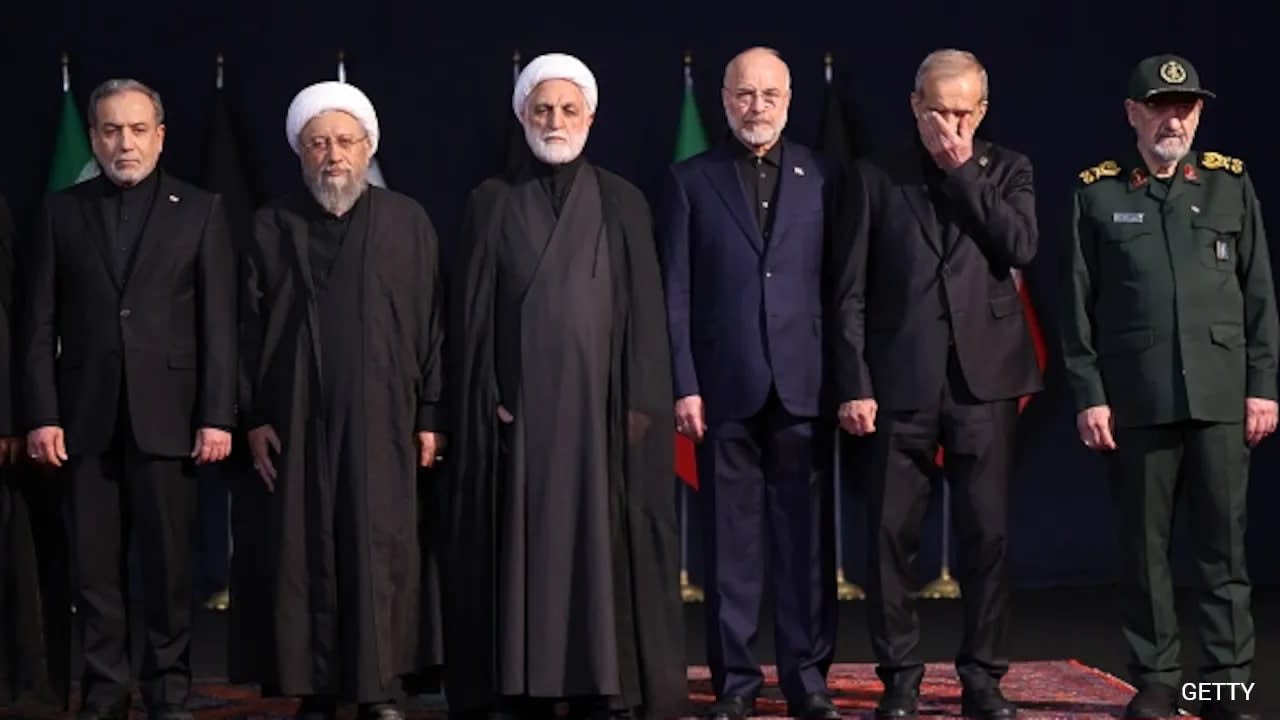
Tensions within Iran's political establishment have escalated following public displays of anger at the funeral of Supreme Leader Ali Khamenei. Hardline factions are increasingly turning against leadership figures amidst circulating rumors of a potential coup.
Internal Instability: The Fracturing of Iran's Hardline Elite
The recent events surrounding the funeral of Supreme Leader Ali Khamenei have transcended mere public mourning, revealing a deep-seated fissure within the Iranian political establishment. Reports of aggressive rhetoric, specifically the chilling imagery of "Us, Blade, Your Throat," suggest that the internal cohesion that once defined the regime is rapidly deteriorating. This shift marks a significant departure from the controlled public displays traditionally orchestrated by the state, indicating that the grief—or perhaps the opportunity presented by the succession—has triggered a volatile power struggle.
The Shift from Public Mourning to Political Confrontation
Historically, funeral proceedings for high-ranking Iranian officials have served as a stage for state-sanctioned unity and the reinforcement of revolutionary values. However, the current atmosphere is characterized by an unprecedented level of hostility directed at the very leaders who occupy the upper echelons of power. When the anger of the populace spills directly into the political establishment, it creates a dangerous environment where traditional hierarchies are challenged, and the influence of hardline factions becomes increasingly unpredictable.
Analyzing the 'Coup' Narrative
The emergence of "coup" claims, even if speculative, highlights the fragility of the current transition. In political systems where power is concentrated, the death of a supreme leader often creates a vacuum that invites competing factions to assert dominance. The rhetoric used by these hardline groups suggests an attempt to intimidate current leadership, signaling that the post-Khamenei era may not be defined by a smooth transfer of authority, but rather by internal purges and ideological conflict.
Broader Implications for the Regime
The escalation of this rhetoric poses a significant threat to the regime’s long-term stability. By turning on their own leaders, hardline elements are inadvertently eroding the aura of invincibility that has protected the establishment for decades. This public display of infighting provides an opening for various stakeholders—both within the country and internationally—to reassess the durability of the current governing structure. The radicalization of these internal voices suggests that the regime may face severe challenges in maintaining the status quo.
Future Trends and Potential Outcomes
Looking ahead, the trajectory of this internal conflict remains uncertain. If the hardliners continue to escalate their rhetoric, it is likely that the government will either be forced to crackdown on its own base to maintain order or shift toward an even more extreme ideological stance to placate these elements. Either path risks further alienating the broader public and weakening the regime's capacity to govern. The coming weeks will be critical in determining whether the Iranian political establishment can reconcile these factions or if it is destined for a period of protracted instability and internal fragmentation.
Verification Required?