Supreme Leader Mojtaba Khamenei more involved in nation’s strategy: Iran President Pezeshkian
Source Entity
Latest News: Today's Latest News Headlines from India & World | Hindustan Times | Hindustan Times
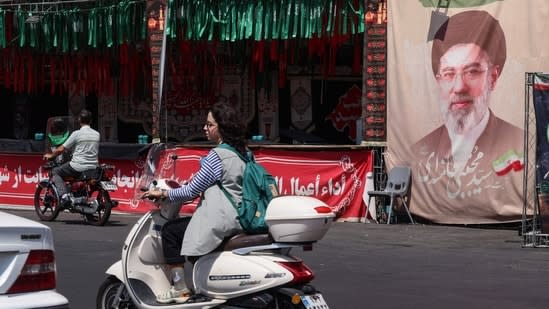
Iranian President Masoud Pezeshkian has confirmed that new Supreme Leader Mojtaba Khamenei is actively directing government strategy. This consolidation of power occurs amidst escalating tensions with the US and the failure of recent interim peace efforts.
The Shift in Iranian Leadership Dynamics
Recent statements by Iranian President Masoud Pezeshkian indicate a significant consolidation of authority within the office of the Supreme Leader. Following the assassination of his father in March, Mojtaba Khamenei has maintained a low public profile, yet Pezeshkian’s recent remarks confirm that the 56-year-old leader is heavily involved in the nation’s strategic decision-making. This clarification appears intended to project stability and unity within the Iranian state hierarchy during a period of extreme geopolitical volatility.
Strategic Alignment and Executive Guidance
Pezeshkian noted that he now possesses "greater access" to the Supreme Leader, underscoring a direct line of communication that facilitates the implementation of state policies. By emphasizing that all government actions are guided by Mojtaba Khamenei, the President is signaling to both domestic and international observers that the transition of power has been finalized and that the leadership structure is functioning under a singular, authoritative vision. This emphasis on executive alignment is critical for maintaining internal order while navigating the current climate of international hostility.
Geopolitical Instability and the Collapse of Diplomacy
The timing of this disclosure is inseparable from the deteriorating relationship between Tehran and Washington. With daily skirmishes and the total collapse of the mid-June interim peace deal, the Iranian government is under immense pressure to present a unified front. The failure of diplomatic channels has necessitated a more centralized approach to national security, where the Supreme Leader’s direct oversight serves as the final arbiter for government strategy and defensive posture.
Implications of a Low-Profile Command
Despite Mojtaba Khamenei’s lack of public appearances since assuming his role, the assertion that he is actively directing the government suggests a shift toward a more insular style of leadership compared to his predecessor. This approach may be a calculated effort to preserve the mystique of the office while avoiding the public scrutiny that characterized previous eras. However, it also presents challenges in international diplomacy, as the lack of direct engagement from the Supreme Leader can complicate the signaling required to de-escalate regional tensions.
Future Trends and Regional Outlook
As the US considers potential military action and the threat of broader regional conflict looms, the role of the Supreme Leader as the ultimate strategist becomes even more pivotal. Future trends suggest that Iran will continue to prioritize adherence to the Supreme Leader’s guidance as a mechanism for national survival. As Pezeshkian continues to act as the primary interface between the administration and the public, the effectiveness of this power structure will be tested by the ongoing instability and the hardening of positions between Iran and its international adversaries.
Verification Required?