Return of Gulf oil: Has Iran lost grip on Hormuz & what does it mean for India?
Source Entity
SMRITI JAIN
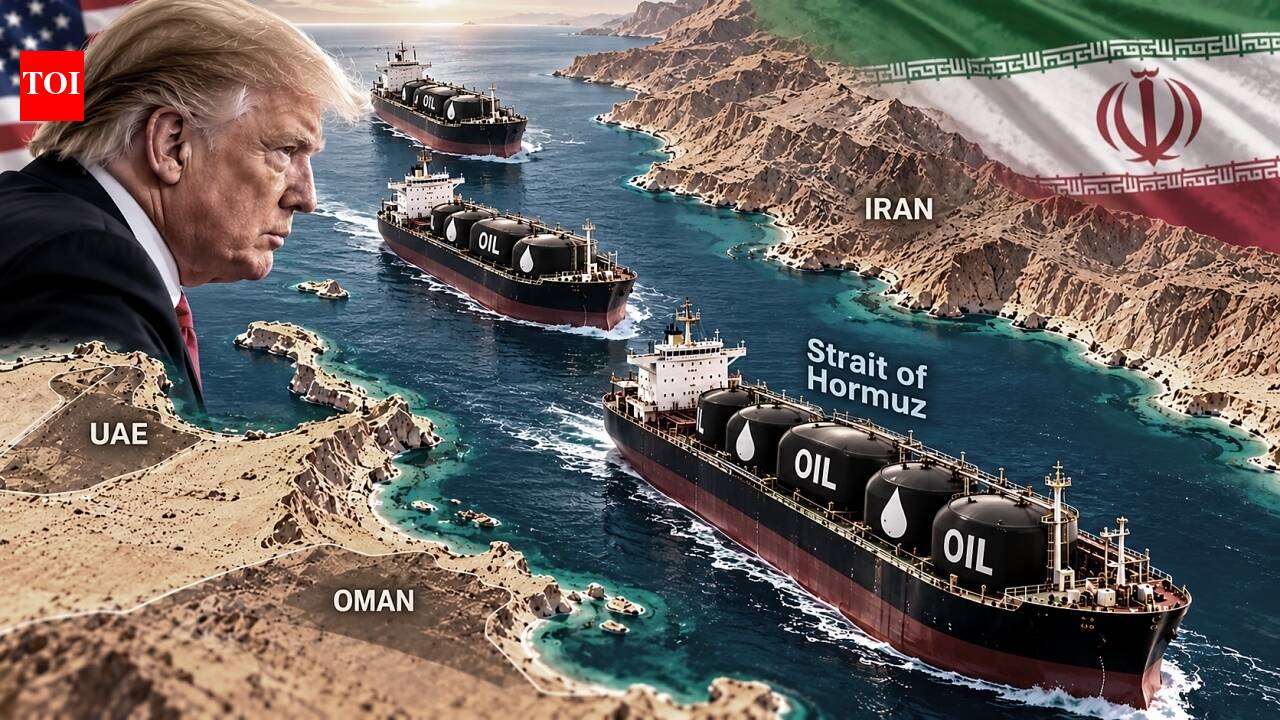
Oil exports through the Strait of Hormuz have recovered to 16 million barrels per day following disruptions caused by the US-Iran conflict. While this signals a stabilization in global energy flows, persistent price volatility remains a concern for major importers like India.
The Strategic Rebound: Hormuz and the Global Energy Landscape
The recent data provided by Kpler indicates a significant recovery in crude oil exports through the Strait of Hormuz, reaching an average of 16 million barrels per day in September. This development marks a critical turning point following the severe energy crisis triggered by the onset of the US-Iran conflict in late February. During the height of the hostilities, the world witnessed a near-total standstill in shipments through this vital maritime chokepoint, illustrating the profound vulnerability of the global economy to localized geopolitical instability.
The Shift in Geopolitical Leverage
The ability of Iran to effectively choke the flow of oil through the Strait of Hormuz served as a stark reminder of the strategic importance of narrow maritime corridors. Before the conflict, the region facilitated the movement of approximately 19 million barrels of crude oil daily. The disruption caused by the conflict not only spiked global oil prices but also forced international markets to confront the reality of their reliance on a single, volatile transit point. The fact that export volumes exceeded pre-war levels on 14 days during September suggests that despite ongoing tensions, the mechanisms of global trade are finding ways to circumvent or mitigate the threat of direct blockade.
Analyzing the Sustained Price Disconnect
Despite the recovery in export volumes, a persistent question remains: why are crude oil prices not returning to pre-war levels? The answer lies in the complex interplay of risk premiums and market sentiment. While the physical flow of oil has resumed, the lingering fear of future disruptions maintains a 'fear premium' on oil prices. Traders and investors are wary that the structural stability of the Strait remains fragile, and any escalation in the US-Iran theater could once again jeopardize the global energy supply chain with little warning.
Implications for India
For India, a country that relies heavily on energy imports to fuel its rapidly expanding economy, the stability of the Strait of Hormuz is a matter of national security. The fluctuations in oil prices directly impact India’s inflation rates, trade deficit, and currency value. A recovery in flow is a positive sign for India's energy security, yet the historical data from the conflict period highlights the need for India to diversify its energy sources and transit routes to reduce vulnerability to regional conflicts in the Middle East.
Future Trends and Resilience
Looking forward, the global market is likely to remain in a state of high alert. The recovery to 16 million barrels per day is a testament to the resilience of global logistics, but it also underscores that such stability is currently an exception rather than a guarantee. As nations observe the shifting leverage in the Strait of Hormuz, we can expect increased investment in alternate pipelines and strategic petroleum reserves. The era of assuming uninterrupted transit through maritime chokepoints appears to have ended, ushering in a period of calculated hedging and strategic caution in the global oil trade.