'They're Losing So Badly': Trump Rejects Iran Proposal To Open Hormuz
Source Entity
NDTV News Search Records Found 1000
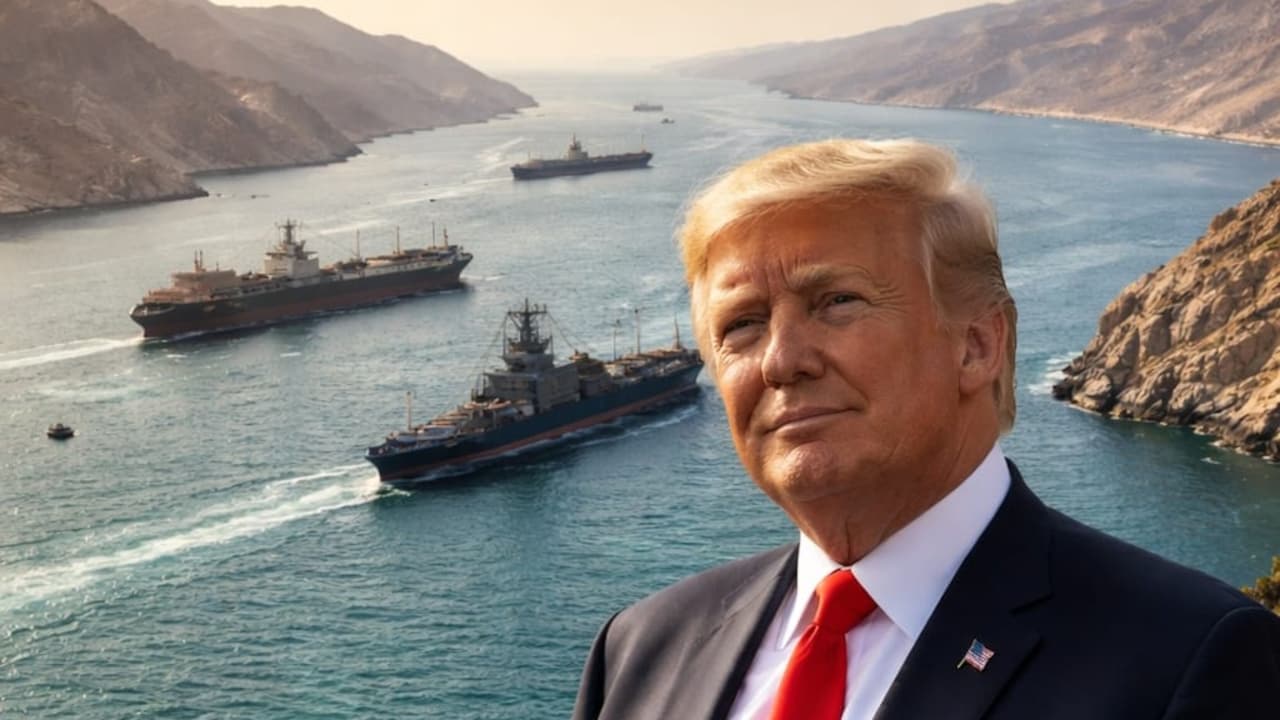
Iran has proposed a seven-day plan to reopen the Strait of Hormuz in exchange for the lifting of US sanctions and a ceasefire, but President Donald Trump has reportedly rejected the offer. The situation remains volatile as both nations navigate intense diplomatic and military tensions surrounding critical shipping lanes.
The Strait of Hormuz: A High-Stakes Geopolitical Standoff
The global energy market and regional stability are currently tethered to the narrow, critical chokepoint of the Strait of Hormuz. Iran’s recent proposal, communicated via Qatari intermediaries, suggests a seven-day timeline to normalize maritime passage, provided the United States fulfills specific demands. These include the lifting of the naval blockade on Iranian ports, the waiver of oil sanctions, and a broader regional ceasefire encompassing the conflict in Lebanon.
The Mechanics of the Iranian Proposal
Foreign Minister Abbas Araghchi’s framework is framed as a de-escalation mechanism. By linking the reopening of the Strait to the cessation of hostilities and the removal of economic pressures, Tehran is positioning the waterway as its primary bargaining chip. The proposal seeks to leverage the economic necessity of the Strait—a vital artery for global oil—against the diplomatic and military pressure currently exerted by the United States.
The American Stance and Political Timing
Despite the diplomatic overtures made at the UN General Assembly, the response from Washington has been reportedly negative. President Donald Trump has rejected the proposal, with reports suggesting that the administration is preparing for a continuation, or even an escalation, of military operations following the upcoming congressional elections. This alignment of military strategy with domestic electoral cycles underscores the high-stakes nature of the current administration’s 'maximum pressure' approach toward Tehran.
Complicating Factors: Regional Conflicts
The proposal faces significant headwinds beyond the direct US-Iran friction. The ongoing conflict in Yemen and instability in Lebanon complicate any potential ceasefire agreement. Because the Iranian proposal requires a comprehensive regional cessation of hostilities, the integration of non-state actors and regional proxies makes a simple bilateral agreement between Washington and Tehran functionally difficult to implement.
Internal Dynamics and Future Implications
Iran itself is reportedly navigating internal debates regarding the efficacy of this diplomatic push. The failure to secure an immediate breakthrough at the UN suggests that the hardline stances within both governments are hardening. Should the rejection of this seven-day plan hold, the world could see a prolonged period of disruption in one of the most critical maritime lanes, potentially spiking energy costs and deepening the seven-month-old conflict that has already strained international trade.
Conclusion
As it stands, the 'choice' mentioned by Araghchi remains stalled. With the United States signaling a preference for continued military pressure over a negotiated settlement, the immediate future of the Strait of Hormuz appears precarious. The reliance on Qatari mediation highlights the limited channels of communication currently available, leaving the region at a volatile crossroads as the November congressional elections approach.
Multiple Citing Sources
Verification Required?