World News Today Live Updates: Iran claims it struck an oil tanker in the Strait of Hormuz
Source Entity
The Indian Express
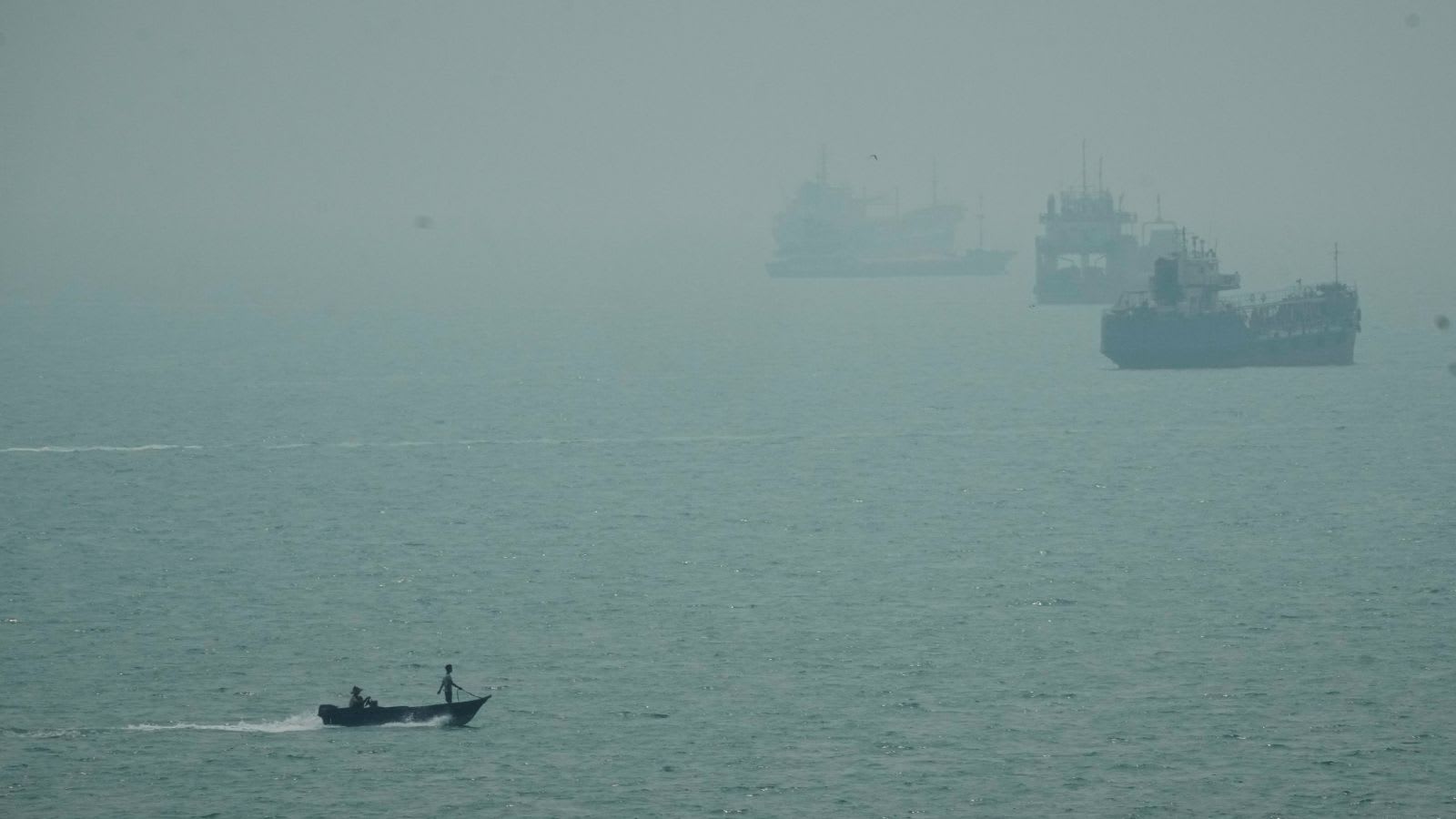
The Iranian Revolutionary Guard Corps has struck a Togo-flagged tanker in the Strait of Hormuz, citing an illegal transit attempt. This incident occurs amid heightened regional tensions and diplomatic discussions between South Korea and the U.S. regarding maritime security.
Tensions Escalate in the Strait of Hormuz
The geopolitical landscape in the Middle East has entered a precarious new phase following the confirmation that Iran’s Revolutionary Guard Corps (IRGC) struck a Togo-flagged tanker, identified as the Trend, near the Strait of Hormuz. This incident, occurring on Thursday night, highlights the persistent volatility of one of the world's most critical maritime chokepoints. By labeling the vessel’s transit an "illegal attempt," the IRGC has signaled its intent to assert strict control over maritime traffic passing through waters off the coast of Bandar Abbas, further complicating an already fragile regional security environment.
The Intersection of Domestic Politics and Regional Aggression
This maritime strike did not occur in a vacuum; it coincided with significant domestic upheaval in Iran. The nation recently hosted its largest pro-government rally since the February strikes carried out by the United States and Israel. By executing a high-profile military action against a foreign-flagged vessel during a moment of internal mobilization, the Iranian leadership is likely attempting to project strength to both domestic and international audiences. This strategic timing serves to reinforce the narrative of resistance against perceived external encroachment.
Diplomatic Friction and Global Implications
Beyond the immediate military skirmish, the incident has drawn global powers into a complex web of diplomatic maneuvering. In Washington, South Korean officials held high-level meetings with U.S. Secretary of State Marco Rubio to address growing friction. A core issue on the table is South Korea’s role in Middle East maritime security, which is currently complicated by a stalled $350 billion investment package. The intersection of these economic interests with the reality of tanker safety creates a difficult policy puzzle for the U.S. and its allies.
Maritime Security and Economic Vulnerability
The Strait of Hormuz remains the juggernaut of global energy transit, with a significant percentage of the world’s oil supply flowing through its narrow corridor. Any disruption, whether through targeted strikes or threats of seizure, has immediate, far-reaching consequences for global energy prices and supply chain stability. The IRGC’s willingness to engage a commercial vessel underscores the vulnerability of international shipping lanes to localized power projection, necessitating a robust, albeit cautious, response from the international community.
Future Trends and Strategic Outlook
Looking ahead, the situation suggests a trajectory of continued friction. As the U.S. and its partners attempt to stabilize maritime security, they will likely encounter persistent pushback from Tehran, which views the presence of foreign navies as a direct threat. The stalled South Korean investment package indicates that economic leverage is being used as a tool of geopolitical pressure, and until a consensus on security protocols is reached, the Strait of Hormuz will remain a flashpoint for potential escalation. The coming weeks will be critical in determining whether diplomatic channels can de-escalate the situation before further maritime incidents occur.